Summary; A coordinated message from Beijing
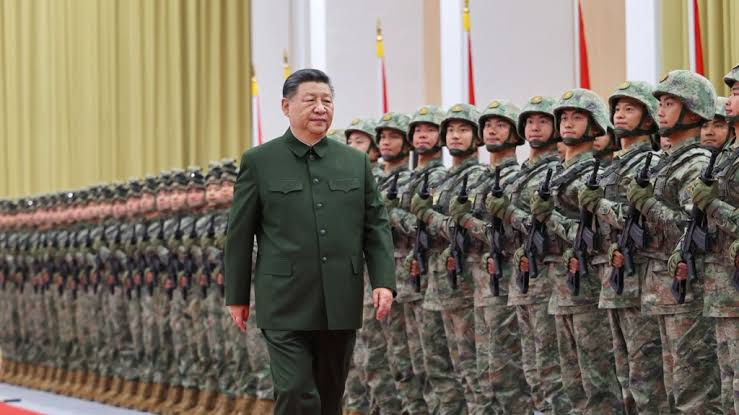
At a high-level Communist Party meeting convened in late October, President Xi Jinping pressed senior officials to double down on party discipline, emphasizing compliance and stricter oversight. The political initiative was accompanied by renewed military imagery in state media and reports of a no-notice missile launch, a combination that observers say signals determination to consolidate internal control while reminding external audiences of China’s growing capabilities.
What happened at the meeting; more than rhetoric
China’s leadership gathered for a multi-day plenum to review the party’s inspection and discipline mechanisms, with Xi delivering a work report that outlined plans to advance "full and rigorous party self-governance," according to reporting from the Associated Press and Chinese state outlets. Officials cited audits and inspections that uncovered failures to implement directives properly, prompting calls for stronger enforcement and greater loyalty from cadres.
Military imagery and timing; the external dimension
State-controlled media has been publishing footage and stories that highlight rapid-response capabilities and missile firings, and independent reporting on October 27 noted a fresh no-notice missile launch was publicized by Chinese broadcasters. Analysts note the timing: domestic political consolidation at the top paired with visible military demonstrations tends to serve dual purposes, deterring external challengers while reinforcing a narrative of competence and control at home.
Why it matters; domestic politics with international reach
The plenum’s push for ironclad discipline is not only about rooting out corruption, it is also about ensuring that policy directives flow coherently from the top to local and provincial levels. That coherence matters for investors and foreign governments alike, because the ability of Beijing to execute economic and diplomatic initiatives depends on a predictable chain of command. At the same time, publicized military activity complicates regional calculations, especially for neighbors and the United States, which watch Beijing’s force posture closely.
Reactions and strategic implications; reading the signals
Chinese official statements framed the meeting as routine governance work meant to strengthen party functioning. Internationally, commentators see the combination of stricter party discipline and visible military readiness as a hedging strategy: consolidate authority at home while signalling seriousness abroad. Analysts caution that tighter internal control can reduce policy flexibility and raise the political cost of concessions, which may influence China’s stance in upcoming multilateral events.
What to watch next; diplomacy and domestic implementation
Observers will look for how quickly recommendations from the inspection reports are translated into personnel moves or disciplinary actions, and whether the military imagery is followed by more visible deployments or actual operations. Beijing’s approach ahead of major events, including regional summits hosted in China, will also indicate whether the leadership prioritizes stability or prefers to project strength to shape negotiations.
Bottom line; an integrated message
Late-October developments show Beijing orchestrating domestic governance priorities and external military signaling in parallel, a pattern that points to a unified strategy: reinforce party control, demonstrate capability, and shape the environment in which China negotiates with foreign powers. For policy makers and regional partners, the challenge is to interpret these linked signals accurately and to calibrate responses that reduce miscalculation while protecting core interests.
Reporting for this article used accounts and official releases from international and Chinese outlets, translated statements from government briefings, and contemporaneous reporting of military activity to present a synthesis and analysis of current developments.