OTTAWA, October 26, 2026; Canada hosted a long-anticipated First Nations–First Ministers meeting today, bringing together provincial premiers and Indigenous leaders for a focused session on reconciliation priorities, housing and infrastructure commitments, and jurisdictional reform. The gathering, confirmed in a government media advisory published this morning, marked one of the most significant federal-provincial-Indigenous forums held in recent years.
Who is in the room; why it matters
The official notice named Newfoundland and Labrador Premier Tony Wakeham as an attendee, and confirmed federal ministers would be present to engage with First Nations leaders on the agenda set for the day. The meeting represents an opportunity for Indigenous leaders to press Ottawa and the provinces for concrete timetables, funding pledges, and changes to long-standing policy frameworks that Indigenous communities say have failed them.
For Indigenous participants, the session is not ceremonial; it is a testing ground for whether longstanding promises will be backed by enforceable plans and money. Federal officials framed the meeting as a working dialogue intended to accelerate implementation of justice and living-standards commitments that have been stalled or unevenly applied across the country.
Key issues on the agenda; housing, jurisdiction, and timelines
Officials said the agenda centers on three interlocking priorities: closing gaps in housing and drinking water on reserves, clarifying jurisdictional responsibilities between federal and provincial governments, and advancing economic development that is community led. Indigenous leaders are expected to press for precise funding schedules and legal reforms that would strengthen Indigenous governance capacity.
Advocates have long demanded more than statements of intent; they seek binding timelines and funding commitments that can be tracked and enforced. Delegates to the meeting are likely to press for mechanisms that enable transparent reporting and that hold governments accountable when targets are missed.
Political backdrop; national tensions and global glare
The Ottawa meeting takes place against a broader backdrop of heightened political tensions at home and abroad. In recent weeks, Canada’s foreign policy choices and trade disputes have attracted intense public attention, and Ottawa is navigating pressure from multiple directions. Civil society groups and street protesters have amplified concerns about Canada’s international stances, linking domestic policy choices to wider questions of human rights and Canada’s global reputation.
In several Canadian cities, activist campaigns and demonstrations have focused on international conflicts and on Canada’s trade and diplomatic relationships. These public pressures are seeping into domestic political debates and complicate the calculus for federal and provincial leaders who must balance external diplomacy with internal priorities, including reconciliation with Indigenous peoples.
Outside the venue; protests underline political stakes
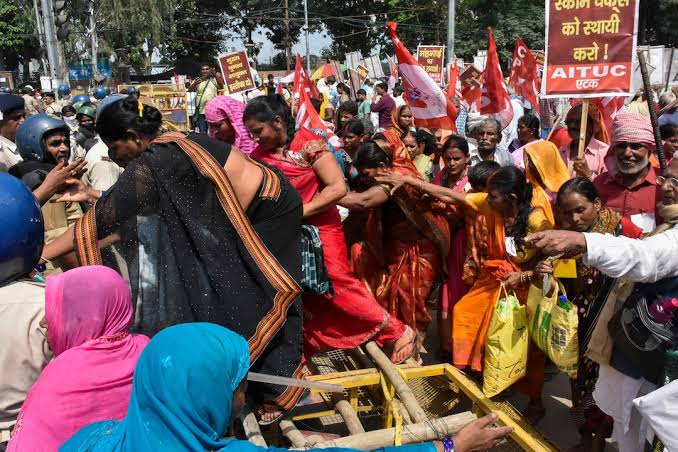
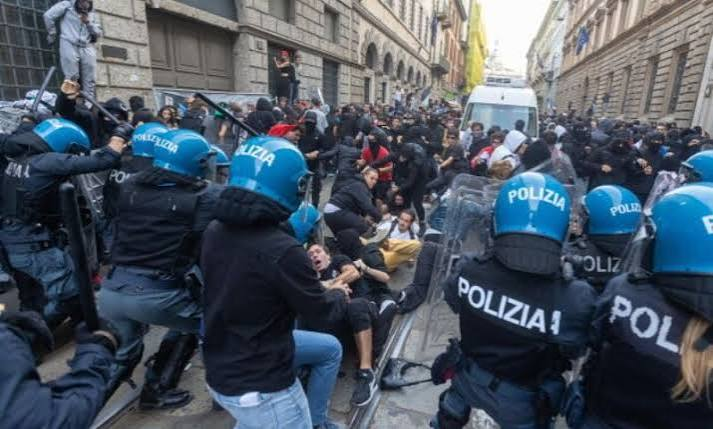
On the fringes of the capital, protests related to foreign policy and human rights continued this month, illustrating the visibility of international issues within Canada’s domestic politics. Demonstrators and advocacy groups have used high-profile public events to press the federal government for clearer policies and for actions they say align Canadian behaviour with international human rights norms.
These demonstrations, while broadly separate from the First Nations meeting, add to the volatile political environment facing participants. Indigenous leaders have frequently pointed out that progress on reconciliation cannot be isolated from Canada’s role in international human rights debates, arguing that domestic credibility often depends on consistency abroad.
What to watch for after the meeting; commitments, timelines, and follow up
Observers and Indigenous organizations will pay close attention to whether the federal government and the provinces produce concrete, time-bound commitments at the conclusion of the session. Important indicators will include specific dollar amounts tied to projects, legally binding frameworks for jurisdictional clarity, and the establishment of independent monitoring and reporting mechanisms.
If the meeting yields precise deliverables, it could reset a sluggish track of progress that Indigenous leaders say has left their communities behind for decades. If it produces only broad statements without enforceable measures, activists and political opponents will likely decry the outcome as another instance of missed opportunity.
Broader implications; Canada’s domestic cohesion and international posture
How Ottawa and the provinces respond to First Nations demands will have implications beyond housing and infrastructure. The handling of this meeting will shape public perceptions of government competence and fairness at a moment when Canada faces external diplomatic scrutiny and internal political divisions. The stakes are high: meaningful progress would bolster Canada’s claim to moral leadership on human rights, while continued delays could deepen domestic distrust and fuel further protest activity.
As the day’s sessions conclude, Canadians will be watching to see if the pledges that emerge are measurable and durable. The meeting offers a chance to convert political goodwill into concrete results; for many First Nations communities, the true test will be the speed and transparency of implementation that follows.
Reporting for this article drew on the federal media advisory released October 26, 2026, and recent reporting on civic protests and public pressure campaigns across Canada that have highlighted the intersection between domestic reconciliation and international policy debates.