Government moves to harden public order rules after weekend unrest
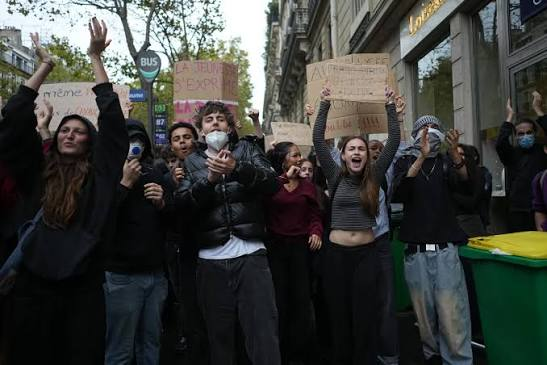
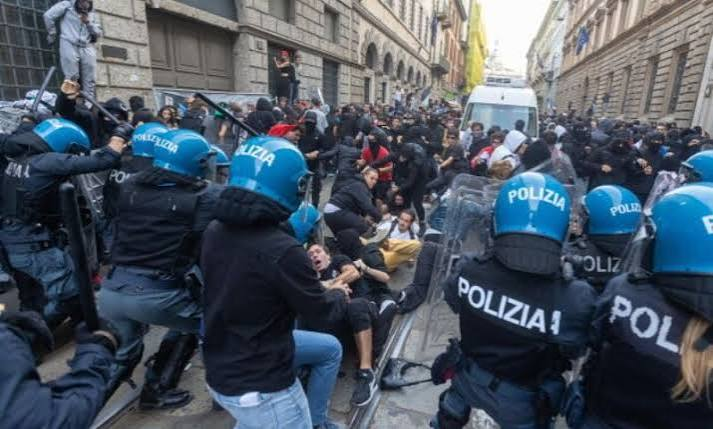
Italy's Council of Ministers approved an emergency security decree in late October after days of violent clashes between groups of largely young demonstrators and police in Milan and several northern cities. The package, signed by Prime Minister Giorgia Meloni's cabinet, takes immediate effect and includes a range of measures aimed at preventing a repeat of the looting and street battles that shocked the country earlier in the week.
What the decree does
The new decree introduces a distinct criminal offence for "violent participation in a demonstration," carrying penalties of up to five years in prison and fines of up to 20,000 euros for those who join groups of at least five people and create a danger to public safety while protesting. Penalties become harsher if faces are concealed or if violence causes injury or significant damage.
Minors are also a central focus of the decree. Authorities will be allowed to detain people under 18 at police stations for up to 12 hours if there is evidence they pose a danger, a change that officials say is intended to help identify and process juvenile participants in violent acts. The government has additionally proposed measures that would expose parents to financial liability when their children are found to have taken part in looting or vandalism.
Troops to Milan, policing arrangements and limits
As part of the security package, Rome has authorised the deployment of an additional 500 soldiers to Milan to bolster street-level security through the end of 2026. Defence ministry officials said the soldiers will be assigned under existing domestic security missions, and they will be tasked with support, patrolling and logistical roles intended to free police resources to focus on law enforcement operations.
Italian officials emphasised that the deployment does not grant the military judicial policing powers. The presidency of the republic intervened during cabinet deliberations to make clear that soldiers would not be given the powers typical for police investigators or placed in charge of arrests. That distinction seeks to respect constitutional limits on the use of armed forces in internal public order operations while still increasing manpower in the city centre.
Government rationale and political reactions
Prime Minister Meloni framed the measures as a necessary response to scenes of destruction and assaults on police officers. She said the state must be able to protect citizens and businesses from organised criminality camouflaged as protest. Deputy ministers and other senior officials pointed to footage showing coordinated looting and attacks on officers as evidence that emergency powers were needed to prevent escalation.
Critics in opposition parties and some civil liberties advocates warned the decree risks criminalising protest more broadly and disproportionately targeting young people. Commentators said the mix of harsher criminal penalties and preventive detention powers for minors could chill lawful demonstration and raise concerns about juvenile justice and parental responsibility provisions. Local mayors and some municipal leaders expressed unease about the optics of soldiers on city streets and urged parallel investment in social measures to address the underlying causes of youth unrest.
Context: protest wave and supply disruptions
The decree comes amid a broader wave of social discontent across parts of Europe this month and a series of high-profile demonstrations in Italy over rising living costs, cuts to public services and other grievances. In Milan, an initially peaceful protest against the cost of living and education policies turned violent, with groups smashing shop windows, setting fires to street furniture and clashing repeatedly with riot police. Authorities reported dozens of injuries among officers and multiple arrests across several cities.
Separately, strikes and blockades by transport workers in the south earlier in the week disrupted food and fuel deliveries, intensifying political pressure on Rome to show rapid action to restore public order and protect supply chains.
What happens next
The decree is immediately effective but must be converted into law by parliament within 60 days to remain in force. That step will open a political debate in the Chamber of Deputies and the Senate, where opposition parties and some centrist allies are expected to seek changes or clarifications, particularly on the powers applying to minors and the extent of parental liability.
Implementation details will be set out in administrative circulars and technical meetings between the interior, defence and justice ministries. Local police commands will receive operational guidance on how soldiers are to be used in coordination with police units, and judges and juvenile justice experts are preparing to advise on safeguards for detained minors.
Why this matters
The package represents a significant law and order response from a government that has already pursued tough public security policies since taking office. It underscores the tension between two policy aims: responding quickly to violent outbreaks to protect public safety, and preserving rights to protest and legal limits on military roles at home. How parliament, the courts and local authorities reconcile those aims in the coming weeks will shape Italy's approach to public demonstrations and youth policing into 2027.