Thousands of young protesters and opposition activists gathered in New Delhi this week to oppose a sweeping revision of electoral rolls that critics say disproportionately removes voters from urban registries. Authorities responded with widespread detentions, roadblocks and short term curbs on movement, while rights groups warned the crackdown has stretched constitutional limits on free assembly and expression.
What happened
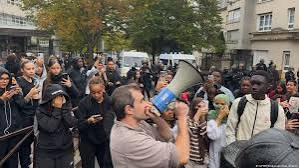
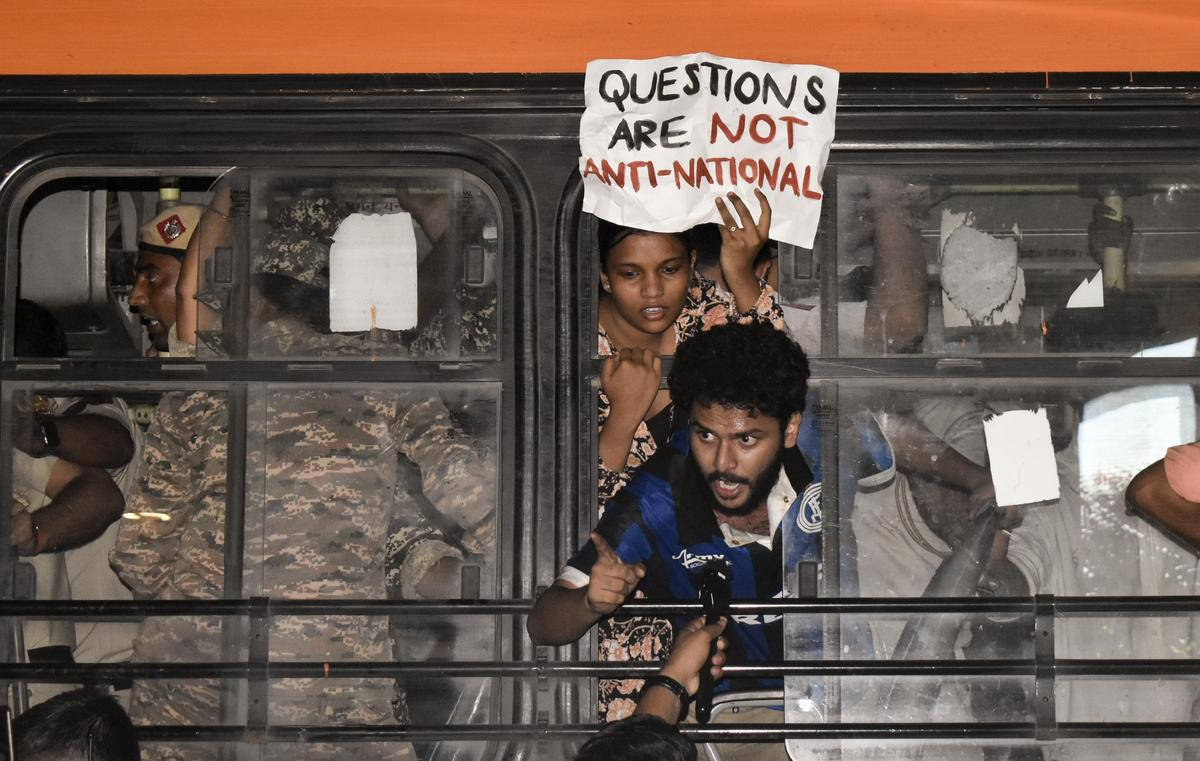
On October 10 through October 12, mass demonstrations organised by youth groups and a loose opposition coalition attempted to converge on Jantar Mantar, the capital's traditional protest site. Police and central security forces intercepted many marchers before they reached the site, conducting mass detentions and imposing security restrictions on major avenues and transport nodes. Authorities reported hundreds detained across the capital, while local media and rights monitors said more than 500 people were detained overall during the most intense moves to disperse crowds.
By October 12 and into October 13, some restrictions eased: metro services that had been curtailed were resumed and short disruptions to mobile internet in parts of the city were lifted. Opposition leaders and student organisers said the movement would continue, with some leaders filing petitions and seeking court relief against limits on assembly.
Why protesters say they are rallying
Organisers and opposition parties say the protests are a reaction to a recent, rapid revision of voter lists implemented by the Election Commission of India. Critics allege the revalidation and purging process has removed large numbers of urban voters, particularly young and transient voters, in ways that benefit the ruling party in advance of coming election cycles. Protesters say the purge lacks adequate safeguards, transparency and opportunities for affected voters to contest removals.
Government officials and the Election Commission have defended the exercise as a necessary update to remove duplicate and ineligible entries, and as part of routine maintenance of electoral rolls. The administration has rejected accusations that the process was politically motivated.
Legal and rights sector response
Petitions related to police action and preemptive restrictions were filed with courts this week. The Supreme Court is scheduled to consider consolidated pleas regarding the detention of peaceful demonstrators and allegations of excessive preemptive measures by police. A Delhi High Court filing also sought to review the closures of metro stations and other steps that, petitioners argued, obstructed lawful protest.
Human Rights Watch and other international and domestic rights groups issued statements on October 13 urging the Indian authorities to end arbitrary detentions and to respect rights to peaceful assembly and free expression. The rights groups documented accounts of protesters being forcibly removed from streets, held in police custody without clear charges, and temporarily cut off by mobile internet restrictions in parts of the capital during the peak of the operations.
Government position and political reactions
The central government and some union ministers framed the demonstrations as politically motivated and said law enforcement acted to prevent public disorder. Officials emphasised the need to maintain public order and protect infrastructure ahead of large gatherings, and they defended the Election Commission's voter roll exercise as legitimate and routine.
Opposition leaders, including senior figures who attempted to join marches toward Jantar Mantar, described the detentions as politically driven suppression. They said filing petitions in the courts is meant to restore legal protections and to push for transparent oversight of the voter roll process.
Why this matters
The row touches on two central issues for India as it heads toward consequential electoral cycles: the integrity and inclusiveness of electoral rolls, and the space for public dissent. Voter rolls are the administrative foundation of democratic contests. Large scale removals without clear public notice or accessible redress raise concerns about disenfranchisement, particularly among urban, migrant and younger voters who are often more difficult to reach through conventional registration systems.
At the same time, how authorities manage large demonstrations is a test of democratic norms in the world’s largest democracy. Heavy handed policing of protests can escalate tensions and generate international scrutiny from rights organisations and foreign governments, while lenient handling of violent or disorderly demonstrations can raise immediate public safety concerns. The intervention of the judiciary this week will be closely watched as a barometer for institutional checks and balances.
What to watch next
The Supreme Court hearing on related petitions is scheduled for later this week. Legal outcomes could lead to orders limiting preventive detentions, restoring access to protest sites, or setting procedural safeguards for future public assemblies. Separately, the Election Commission has signalled it will provide data and clarifications to critics, and any published audits or transparency measures about the roll revision will shape how the dispute evolves.
For now, organisers have signalled plans to continue mobilising nationally, and rights groups have promised ongoing monitoring. The political and legal fight over voter lists and the right to assemble is likely to remain a prominent domestic issue through the coming months, with implications for voter participation and the conduct of future polls.