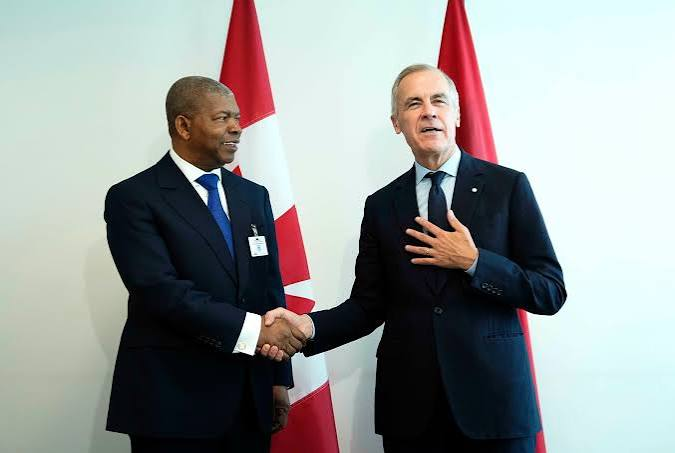
Ottawa says it is negotiating an economic cooperation agreement with Angola and pursuing a companion foreign investment protection pact, moves intended to deepen commercial ties with a fast growing African economy and to shore up critical mineral supply chains.
What Ottawa announced
On Oct 9, 2026, Canadian media reported that Canadian officials have been negotiating a memorandum of understanding, or MOU, on economic cooperation with Angola, and are discussing a Foreign Investment Promotion and Protection Agreement, known as a FIPA. The discussions follow high level meetings between Prime Minister Mark Carney and Angolan President João Lourenço at the United Nations General Assembly in September, when both leaders agreed to work toward concluding an MOU.
Global Affairs Canada has described mining and critical minerals as among possible areas of mutual interest. Canadian officials have held bilateral meetings in recent months that Ottawa says laid the groundwork for the latest round of talks. The government has not published a detailed text of any agreement as negotiations are ongoing.
Why Ottawa is pursuing Angola
Canada’s stated motivation is twofold. First, Ottawa is accelerating efforts to diversify trade and investment away from overreliance on single markets. Second, Angola’s resource profile, including copper, lithium and other minerals, is viewed as potentially complementary to Canada’s industrial and supply chain priorities for critical minerals.
Angola is already one of Africa’s larger economies by gross domestic product, largely because of its oil industry. But in recent years Luanda has pushed to broaden its investor base and to develop mining opportunities beyond hydrocarbons. Observers note that the Lobito Corridor, a transnational rail and port project, increases the commercial value of Angolan access to mineral deposits in southern and central Africa.
What the deals could mean
An MOU on economic cooperation would be a framework for future, more specific agreements rather than a binding trade pact. A FIPA would aim to give foreign investors stronger legal protections, such as guarantees on fair treatment and dispute settlement mechanisms. For Canadian mining and engineering firms, those protections can reduce political and commercial risk when investing in underexplored jurisdictions.
For Ottawa, the potential benefits include securing alternative sources of key inputs for clean energy technologies and batteries, and creating new markets for Canadian services and equipment. For Angola, Canadian engagement offers access to capital, technical expertise, and markets that would support a diversification away from oil.
Reactions and context
Analysts quoted by Canadian outlets described the move as a logical extension of Ottawa’s Africa strategy and its critical minerals policy. Some specialists say Canada has lagged behind other Western and Asian competitors in courting African resource projects, and that a formalized economic framework with Angola could help Canadian companies catch up.
Officials have emphasized that the current discussions do not yet amount to finalized commitments. Global Affairs Canada has indicated that work on the MOU is ongoing and that Ottawa will provide further details once text and timing are firmed up. The prime minister’s office confirmed the leaders welcomed progress during their September meeting and agreed to remain in close contact.
Risks and political sensitivities
Experts warn that expanding commercial ties in Africa carries political and governance risks. Angola’s post conflict transition has included economic reforms, but concerns about transparency, regulatory capacity and institutional strength remain. Any investor protection pact must therefore be balanced with strong due diligence and measures to ensure sustainable, community sensitive mining practices.
There is also a geopolitical aspect. Western governments have in recent years sought to diversify mineral supply chains that had become concentrated in certain countries, and to counter the influence of other global actors in resource rich regions. Canada’s outreach to Angola fits into that broader international pattern.
What happens next
Negotiations continue. Ottawa and Luanda will need to agree specific language, timelines and any implementing measures before either an MOU or a FIPA can be signed. Canadian officials say they will provide updates once formal agreements are ready.
In the near term, the talks signal a clear priority for the Carney government: to expand Canada’s global economic partnerships and to secure diversified access to the minerals needed for a low carbon transition. How quickly any deals translate into investment, and how effectively they manage political and environmental risks, will determine whether the negotiations deliver long term benefits for both countries.