Overview: Second Wave of Demonstrations, Calm on the Surface
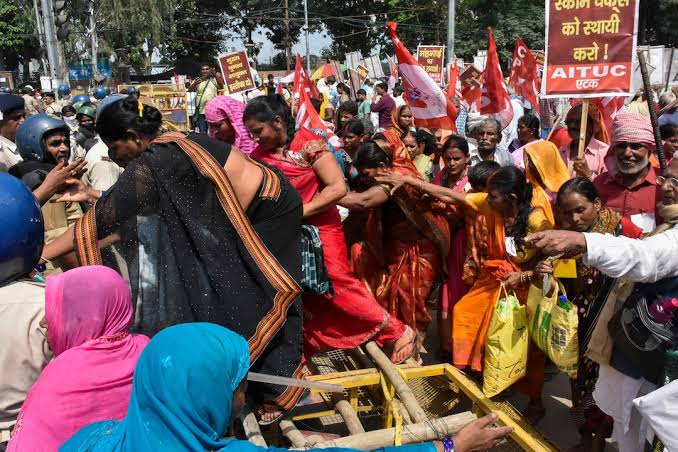
On October 24 and 25, 2026, France saw the second nationwide wave of protests sparked by student actions and widened by unions, public sector workers, and civic groups. Authorities reported roughly 410,000 people took part across the country, including an estimated 110,000 in Paris. The Interior Ministry said the mobilization included 289 public actions on October 24. A stepped-up security presence played a decisive role in preventing the large-scale looting and property damage that marred earlier demonstrations.
Security Measures and Policing; A Preventive Stance
Authorities deployed tens of thousands of police and gendarmes to contain demonstrations and protect commercial districts. Officials described the operation as calibrated to avoid a repeat of violent nights seen in mid-October, when clashes led to widespread arrests and damage in some cities. Interior Ministry figures and government briefings emphasize that the security boost, combined with route restrictions and targeted interventions, largely kept disorder from spiraling.
Protesters' Grievances; From Classrooms to the Cost of Living
The movement began with high school blockades that demanded better conditions in schools, more teachers, and the dismantling of Parcoursup, the national online university admissions system. These localized educational complaints rapidly merged with broader social anger about rising living costs and perceived governmental neglect. Teachers, student unions, and several labour federations have sought to sustain pressure by calling for continued rallies and strikes.
Government Response; Measures and Political Signaling
President Emmanuel Macron and senior ministers have been pushed into a more visible management role. Officials pledged to address some of the immediate concerns, while insisting on preserving public order. In public remarks, senior government figures warned of both criminal elements exploiting demonstrations and of political actors seeking to instrumentalize unrest. The executive has promised targeted reforms in education financing and housing supports, while simultaneously signaling tougher policing where public safety was threatened.
Arrests and Youth; The Numbers Tell a Story
Police sources and justice ministry releases indicate thousands of arrests were made during the course of the unrest in recent weeks, with a notable share involving minors. Earlier counts showed over 6,000 arrests across a concentrated period, and a large proportion of those detained were students. Those figures have raised alarm among human rights organizations and prompted debates in parliament about proportionality and the treatment of young people in custody.
Political Fallout; Elections and the Balance of Power
The demonstrations have amplified political tensions in the run-up to next year’s presidential contest. Candidates on the far right and far left have sought to harness public dissatisfaction, offering starkly different diagnoses and remedies. Centrist leaders argue for order and reforms within existing institutions; populist figures, meanwhile, portray the unrest as evidence of systemic failure and promise sweeping changes. Analysts say how the government navigates demands and public order in the coming weeks could reshape voter sentiment.
Voices from the Streets; Why People Came Out
On the ground, demonstrators said their motivations went beyond immediate school complaints. Pensioners, service workers, and young activists described a sense of economic squeeze and deteriorating public services. One retired teacher in Paris said the protests represented a catalogue of grievances: failing school facilities, reductions in social spending, and a generation facing bleak employment prospects. Union leaders framed the mobilization as the convergence of multiple social fights into a single expression of discontent.
International Observers and Media Reaction
International outlets covered the events with an eye to both public order and the political ramifications. Coverage noted that while the latest weekend avoided the worst of the violence, the underlying tensions remain unresolved. Diplomatic observers in Paris told analysts that France’s social stability and policy responses will be watched closely by EU partners given their potential economic and political ripple effects.
What Comes Next; A Period of Uncertainty
Union calls for further mobilization suggest that pressure on the government will continue. Officials face a dual task: respond credibly to calls for improved education and social services, and reassure citizens and businesses that everyday life and commerce will not be subject to repeated disruption. The next weeks are likely to feature negotiations, targeted government measures, and further demonstrations, as France seeks a path through a politically charged period.
Reporting for this article drew on on-the-record government releases, contemporaneous reporting from international and French outlets, and public statements from protest organizers and union figures. Figures and official counts cited in this piece reflect Interior Ministry releases for October 24 and 25, 2026, and contemporaneous reporting by international news organizations.