London’s film season took on a distinctly Hollywood tone over the weekend as the 70th BFI London Film Festival hosted a string of high-profile premieres and screenings that put the British capital at the centre of this year’s international awards conversation.
Guadagnino’s Artificial opens conversations about tech and power
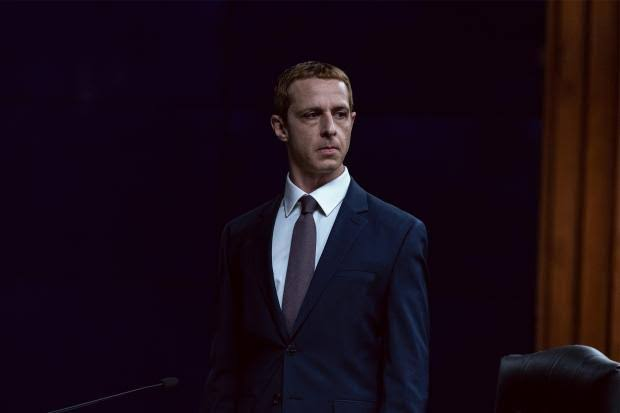
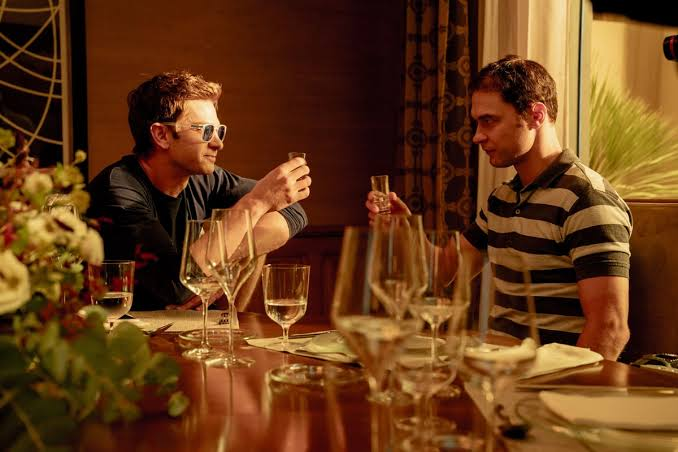
Italian director Luca Guadagnino brought his film Artificial to a London premiere on October 11, drawing a red carpet crowd and press attention to a film that dramatizes the recent upheavals inside a major artificial intelligence company. The film, which stars Andrew Garfield alongside an ensemble that includes Monica Barbaro and Mark Rylance, focuses on the people behind the technology rather than on speculative machine intelligence itself.
At the BFI screening Garfield described his performance as channeling both curiosity and fear, and said the film aims to examine the human stakes of rapid technological change. Festival listings and programme notes show Artificial billed as an origin story that follows events around the removal and return of a high profile CEO, a subject that has been a flashpoint for debate about governance and accountability in Silicon Valley.
The London premiere offered a notable example of the festival’s continued role as a platform where British audiences, industry figures and international studios converge, allowing Hollywood projects to be seen first by critics and cinephiles in the United Kingdom. Festival organisers have emphasised that the BFI festival operates not simply as a screening series but as a marketplace and forum for debate, with talks, industry sessions and partner venue screenings across the country.
Hollywood animation and studio films headline London screenings
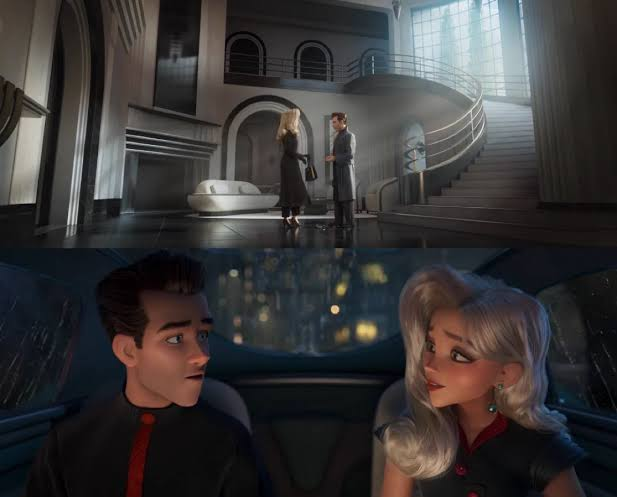
Alongside Guadagnino’s drama, several major American studio and independent studio films received gala or special screenings in London. Brad Bird’s long-awaited animated noir Ray Gunn played as a gala presentation at the Royal Festival Hall, bringing celebrated voices and a design-forward studio aesthetic to the festival programme. The film drew substantial audience and critical interest for its pedigree and for the presence of its cast and creative team.
Laika’s fantasy stop motion feature Wildwood also received its world premiere in London, with early responses from critics and festival attendees praising the studio’s technical ambition and storytelling. Together these entries show how the BFI festival has become a preferred London launch window for large scale American animated projects, which use the festival period to reach early critical momentum ahead of wider release dates.
Why London matters to Hollywood premieres
For studios and filmmakers, the BFI London Film Festival offers both prestige and a strategic audience. London provides access to influential critics, international buyers and an avid public cinephile base. The festival’s placement in the awards calendar makes it a useful stop for films seeking early awards season traction or for titles whose subject matter benefits from a European premiere.
For British culture and the local film industry, the influx of major Hollywood premieres brings several concrete benefits: it increases tourist and cultural footfall in central venues, generates press coverage that highlights UK festival infrastructure, and provides networking opportunities for British producers, sales agents and creative talent who are attending. The BFI’s stated aim of extending screenings to partner venues around the United Kingdom also spreads those benefits beyond London’s South Bank.
What audiences and the industry will watch next
Over the remainder of the festival, attention will centre on critical reactions as more screenings take place and as films begin their wider rollout plans. Early reviews and festival response can shape distribution strategies, publicity campaigns and awards trajectories for each title. For films like Artificial, which touch on hot button public debates, London screenings may also provoke renewed discussion in UK media about technology policy and corporate governance.
Festival organisers have scheduled a range of industry events and screen talks that will give wider context to the works on display, including sessions with established filmmakers and panels that explore the relationship between global studios and local film infrastructure. Those sessions are likely to attract both UK-based industry stakeholders and international guests who are using London as a hub for launching their films in Europe.
The 70th BFI London Film Festival runs through October 18, with screenings at BFI Southbank, BFI IMAX and partner cinemas across the United Kingdom. The presence of multiple Hollywood premieres this week underscores London’s continuing role as a key stop on the global film festival circuit, one that connects studio tentpoles and auteur projects with British audiences and industry networks.