Aaron Sorkin’s The Social Reckoning opens in U.S. theaters, reigniting debate over big tech and journalism
Aaron Sorkin’s investigative drama The Social Reckoning opens in U.S. theaters on Oct. 9, 2026. Early reactions praise performances while critics note the film’s uneven direction and heavy legal vetting, and industry watchers say its timing could sharpen public and policy debate over social media accountability.
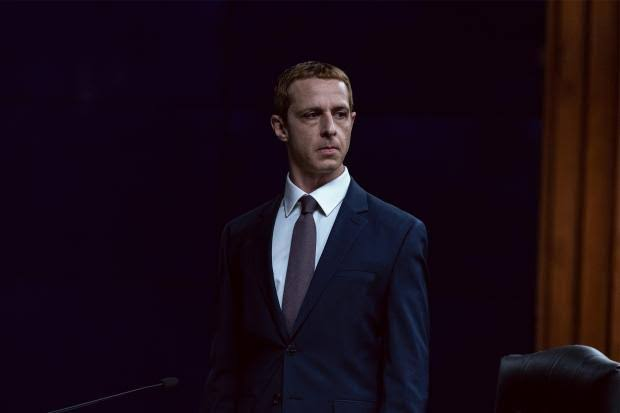
Aaron Sorkin’s long‑teased follow up to The Social Network, The Social Reckoning, opens in United States theaters on Oct. 9, 2026. The film, written and directed by Sorkin and produced by Sony Pictures, dramatizes the Wall Street Journal’s 2021 “Facebook Files” reporting and the work of whistleblower Frances Haugen. It arrives amid renewed public and regulatory scrutiny of major social platforms, prompting both critical attention and political conversation as it reaches mainstream audiences. Sorkin’s film centers on a whistleblower figure and the reporter who helps bring internal company documents into the light. The cast includes Mikey Madison in the role inspired by Frances Haugen, Jeremy Allen White as the Wall Street Journal reporter Jeff Horwitz, and Jeremy Strong portraying Mark Zuckerberg. Supporting roles are filled by Wunmi Mosaku, Betty Gilpin, Billy Magnussen and Bill Burr. Sony has marketed the picture as a companion piece to the 2010 film rather than a direct sequel, and early critical responses describe it as an old‑school, dialogue driven journalism drama with strong performances but mixed directorial judgment. Early press reactions, published after advance screenings, tend to converge on a few points. Most reviewers praise the actors, particularly Madison and Strong, for giving the film emotional heft and credibility. Sorkin’s signature rapid, rhetorical dialogue is frequently singled out as a strength when it fuels scenes of investigative work and courtroom tension. At the same time, several critics say Sorkin’s direction and the film’s pacing sometimes blunt the urgency of the subject, and that the movie does not match the critical heights or cinematic style of the 2010 film that helped define the tech origin story genre. Legal review and editorial choices have become part of the story around the production. Reporting from the press circuit noted that some scenes and lines were adjusted during post production and legal vetting meant to navigate potential litigation risks connected to dramatizing recent corporate conduct. Observers say those constraints are common for movie treatments of contemporaneous corporate scandals, but they can shape what a film can say and how directly it names or portrays living individuals and corporations. Why the film’s release matters now The Social Reckoning arrives at a moment when U.S. lawmakers, regulators and courts are actively reconsidering the role of large social platforms in everything from adolescent safety to misinformation and civic disruption. The issues the film dramatizes are not abstract to policymakers. Earlier in 2026 there were notable regulatory actions and multistate negotiations involving tech firms, and those real world developments give the film immediate topical resonance beyond the awards season conversation. For audiences, the film functions as a dramatized primer on how internal research, editorial choices and corporate incentives can influence platform behavior and downstream social effects. For journalists and media organizations, the movie is a reminder of the continuing public value placed on shoe leather reporting and document‑based investigations that can catalyze policy responses. Box office and industry context Industry trackers and pundits will be watching The Social Reckoning for several reasons. It is a mid October release in a year already crowded with franchise tentpoles and prestige films. Studios have been experimenting with release windows and marketing strategies in a market still recovering to pre pandemic box office norms. Early box office tracking mentioned in trade coverage suggested tempered expectations compared with blockbuster titles, but observers note that topical dramas can find strong audience legs if they connect with public debate or draw awards season attention. The film’s arrival also arrives against the backdrop of a transformed studio landscape. A wave of consolidation and legal settlements in the industry has shifted attention to how studios will program theatrical slates and defend high profile projects that probe current events. The Social Reckoning, because it dramatizes a recent investigative reporting effort and real people involved in it, highlights the balancing act between telling a timely story and managing the legal and reputational risks studios must weigh. Early reactions and likely ripple effects Published press reactions show a split between reviewers who call the movie “compelling and timely” and those who find it “good but not great.” Where critics converge is on performance strength and the film’s capacity to refocus public attention on the policy debates around platform accountability. Industry commentators expect the film to reintroduce the Facebook Files narrative into mainstream discourse and possibly serve as a cultural touchstone in hearings, op‑eds and advocacy campaigns that follow. For public policy, the release is likely to coincide with renewed op eds, congressional commentary and legal filings referencing the same underlying facts the film dramatizes. For the film industry, the release tests whether an adult, conversation driven drama about a high tech scandal can cut through entertainment noise and drive box office and awards season momentum. What to watch in the coming week Look for audience metrics and weekend box office returns to measure initial public interest. Also watch trade reporting and social platform conversation to see whether the movie influences media coverage and public debate about platform regulation, safety measures for young users, and corporate transparency. Finally, note whether the film prompts new statements from the companies or individuals depicted, or whether it becomes a reference point in ongoing legislative and regulatory discussions. The Social Reckoning opens widely in the United States on Oct. 9, 2026. Early reviews suggest a film that will provoke discussion even if it does not attain a unanimous critical consensus, and its arrival underlines how Hollywood continues to shape, and be shaped by, high profile stories about technology and civic life.
Topics
LocationUnited States theatrical release