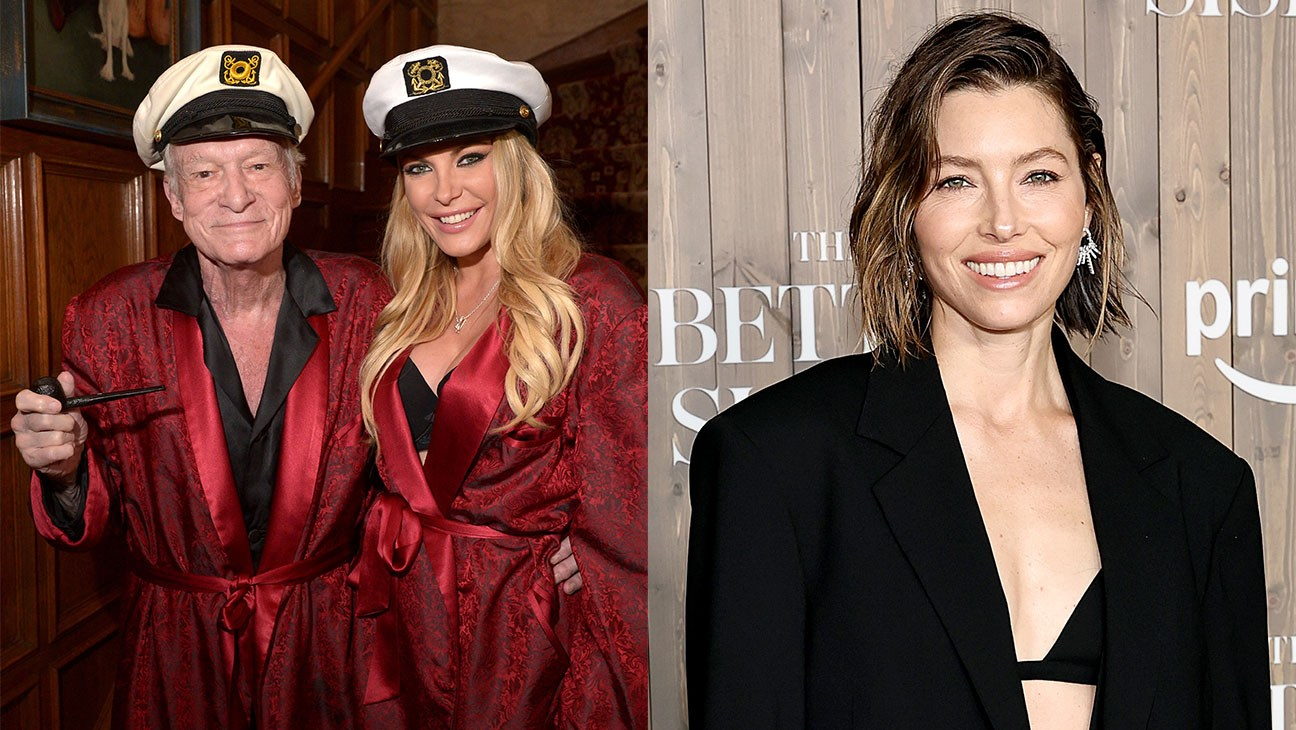
Crystal Harris, who was married to Playboy founder Hugh Hefner from 2012 until his death in 2017, has publicly implored actress Jessica Biel to reconsider taking a role in the upcoming Searchlight Pictures film Playmates, saying the project risks sanitizing a history of abuse and exploitation tied to the Playboy Mansion.
What Harris said and why she went public
In a message Harris shared on social media and addressed to Biel, Harris wrote, Please reconsider playing Hugh Hefner’s wife if this film intends to romanticize him or the Playboy world. She added that she was actually Hefner’s wife and that she experienced sexual, emotional, financial and physical abuse in that relationship. Harris also referenced other women who have come forward with allegations of rape, coercion, drugging and exploitation, and she raised concerns about troubling issues involving minors.
Harris has previously recounted her experiences in her 2024 memoir, Only Say Good Things, which described what she called a toxic environment during her time connected to the mansion. Her public appeal follows the recent casting announcement that Biel will portray a fictionalized wife of the Playboy founder in Playmates, a project written and directed by Lorraine Nicholson, daughter of actor Jack Nicholson.
About the film and the casting
Playmates is described in trade reporting as a Los Angeles set coming of age story inspired by Nicholson’s childhood experiences around the Playboy Mansion. The script centers on a 13 year old girl who considers the mansion a second home, and her friendship with an aspiring Playmate. Reported attachments to the cast include Bill Pullman as a version of Hugh Hefner, Lily Rose Depp in a principal role, and Indiana Elle as the adolescent protagonist. Industry reports say Biel will play a fictionalized spouse of the Hefner figure.
Variety and other industry outlets noted that the filmmakers have framed the character as fictional and not directly modeled on any one of Hefner’s real wives. Still, Harris’s message underscores the disparity between a production decision to fictionalize and the lived experiences of women who say they suffered abuse in the real world the film depicts.
How the entertainment industry has handled similar controversies
This episode is the latest example of a recurring tension in Hollywood, where filmmakers adapt real life or real places and face immediate scrutiny about whose stories are foregrounded and how harm is portrayed. Recent years have seen increased attention to the ethics of dramatizing environments linked to alleged abuse, including calls from survivors and advocacy groups for responsible storytelling, consultation with survivors, and transparent portrayal of wrongdoing rather than nostalgia.
When projects explore institutions or figures with contested legacies, studios and filmmakers have sometimes responded by adding consultative measures, revising scripts, or issuing public statements explaining their approach. At other times, controversy has led to casting changes or the withdrawal of talent when survivors or rights holders publicly objected.
What this could mean for Playmates
Harris’s public appeal places pressure on multiple parties: the actor attached to the role, the director and writer, and Searchlight Pictures as the studio backing the project. Depending on how Biel, Nicholson, and Searchlight respond, this could prompt private discussions with survivors or public remarks clarifying the film’s intent. It could also spark wider debate about the responsibilities of filmmakers when drawing from traumatic cultural histories.
For Jessica Biel, the request is personal in form though not necessarily literal in content. Biel’s portrayal is reported to be of a fictional character, which the production and trades have emphasized. Still, Harris’s position is that fictionalization should not be used as a means to gloss over or romanticize real harms.
Reactions and next steps
As of this article’s publication date, the filmmakers and Searchlight Pictures have not published a formal response to Harris’s message. Representatives for Jessica Biel did not immediately release a comment to news outlets that reported the exchange. Industry coverage shows the story spreading quickly through entertainment trades and mainstream outlets, and it is likely the film’s producers will be asked to address these concerns if the conversation continues.
The dispute highlights a continuing fault line in Hollywood storytelling, between the creative choices of dramatization and the moral and ethical demands of survivors and the public. How Playmates proceeds, and whether the production engages with the women who say they were harmed, will be closely watched by critics and audiences alike.
This report is based on contemporaneous reporting and a public post by Crystal Harris. The article summarizes verified statements and industry reporting about the film’s casting and premise, and it outlines the potential implications for the production and the broader conversation about portraying controversial figures and institutions on screen.