Actor challenges ‘leave India’ notice, seeks stay and cancellation
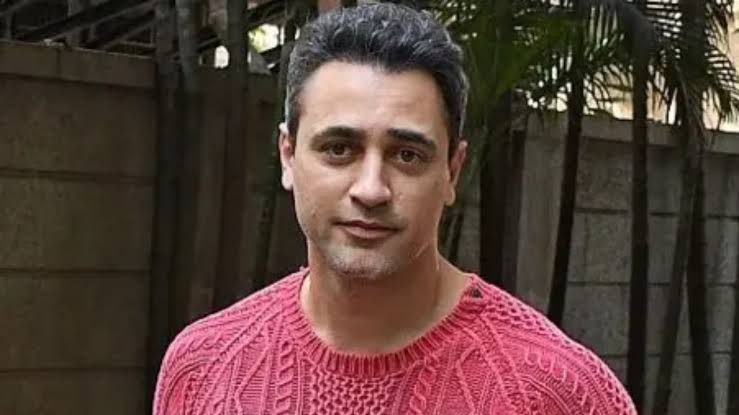
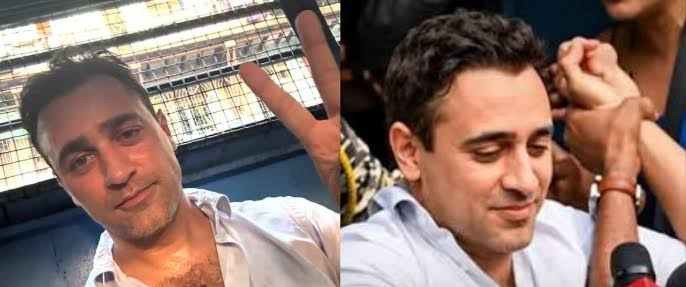
Bollywood actor Imran Khan filed a writ petition in the Bombay High Court on October 17, 2026, challenging a notice from the Foreigners Regional Registration Office, Mumbai that directed him to leave India by October 28. The notice followed Khan’s participation in a public demonstration in Mumbai on October 10 that demanded the resignation of the Chief Election Commissioner.
What the FRRO notice says and why Khan disputes it
The FRRO notice, issued after the Mumbai police reported Khan’s involvement in the protest, alleges that Khan breached immigration rules and ordered his exit from India under the Immigration and Foreigners Act. Officials described the order as a measure against a foreign national who participated in a political demonstration in violation of conditions attached to foreigner status.
In his petition, Khan’s legal team argues the FRRO failed to identify any specific statutory provision that he contravened and ignored his status as an Overseas Citizen of India cardholder. The petition calls the notice arbitrary, disproportionate and ultra vires, and seeks an urgent stay and cancellation of the order so Khan can remain in India while the court considers his challenge.
OCI status, citizenship and the legal issue at stake
The case turns on interpretation of the rights and restrictions attaching to OCI cardholders, who are not Indian citizens but have certain long term residence privileges. Khan’s lawyers emphasise that OCI status does not automatically strip the holder of the ability to participate in lawful public activity, and they say the FRRO must point to a specific statutory bar before calling for deportation.
Government and police statements cited a Bombay High Court order that had limited protests at certain venues, and officials maintained that non citizens taking part in politically charged demonstrations may be treated under immigration rules if public order concerns arise. Legal experts say the High Court will need to decide whether administrative exit directions of this kind are permissible without clearer legal findings and due process including an opportunity to be heard.
Timeline and immediate procedural steps
- October 10, 2026: Khan participated in a public demonstration at a Mumbai venue where protesters demanded the resignation of the Chief Election Commissioner.
- October 15, 2026: The Mumbai FRRO issued a departure notice giving Khan until October 28 to leave India, citing alleged immigration violations.
- October 17, 2026: Khan filed a writ petition in the Bombay High Court challenging the FRRO order and seeking an urgent interim stay and quashing of the notice.
On the same day the petition was filed, the High Court registry recorded the matter. Court listings will determine whether the petition receives an urgent hearing or is listed in the ordinary course. Filing a writ does not automatically suspend the FRRO notice, and lawyers for both sides will likely argue about temporary relief at the first hearing.
Political and industry reactions
The case has attracted attention from across politics and the film industry. Opposition figures framed the FRRO order as an overreach that raises questions about the rights of non citizens with OCI cards. Supporters of the police and some political leaders said states must be able to act quickly to preserve public order and national security when foreign nationals take part in political activity.
Within the film community, reactions were mixed. Some industry colleagues have expressed concern about the precedent the FRRO action could set for artists who hold foreign citizenship or residency and who take part in civic protest. Others emphasised the legal process and urged restraint until the High Court decides.
Why this matter matters
The petition tests where administrative immigration powers end and judicial protections begin. OCI cardholders form a distinct legal category that permits long term residence, but they do not have the full rights of citizens. The Bombay High Court’s response will clarify how far the executive can demand departure without detailed legal findings, and whether participation in certain protests can trigger deportation-style orders for non citizens.
Beyond the immediate legal question, the case raises policy questions about political participation by residents who hold foreign nationality or residency documents. The judgement, or any interim orders, could affect other artists, activists and expatriates who travel to India with OCI or similar status and who engage in public demonstrations.
What to watch next
Key next steps include whether the Bombay High Court grants an urgent stay on the FRRO order, and the timetable for full hearing of the petition. A court refusal to stay the notice would leave Khan subject to the October 28 deadline unless he pursues alternative remedies. If the court grants relief, the decision could prompt the FRRO and police to adopt more detailed procedures when issuing exit orders to non citizens.
For now, the case remains a live legal contest between administrative immigration action and constitutional review, with implications for Bollywood figures who hold foreign nationality and for the limits of political speech by non citizens in India.