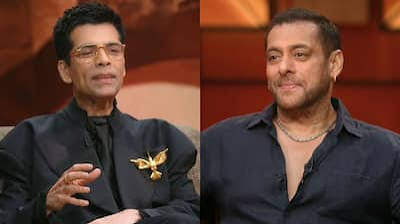
Salman Khan shuts down biopic talk and frames his private life as sacrosanct
Salman Khan, one of Hindi cinema’s most consequential stars, used the opening episode of Karan Johar’s final season of Koffee With Karan to make a firm, public refusal of a long‑rumoured idea: a biopic of his life. Asked on the couch whether his story could be turned into a film, Khan said in no uncertain terms that it would not happen, adding that his life would “go to my grave.”
What else he revealed on the episode
Beyond the biopic line, Khan and Johar touched on a range of personal and industry topics that have been widely reported in Indian media this week. Khan spoke about his desire to become a father at some point in the future, his long record of health challenges, and his frustration with intrusive paparazzi behaviour and online trolling. The episode also revisited a much publicised callback from an earlier season, when Karan asked the actor the now famous question about his virginity. Khan downplayed the exchange this time with a terse, playful reply, and moved on.
Karisma Kapoor, who joined the episode as a surprise guest for some segments, brought an additional note of nostalgia to conversations about the actor’s long career. The episode included the show’s trademark rapid fire rounds and light moments, but the biopic refusal and Khan’s insistence on keeping certain parts of his life private were the dominant, discussion driving takeaways.
Why this matters for Bollywood
Salman Khan’s public stance has several implications for the Hindi film industry. First, a star of his stature declining a biopic shapes how studios, streaming platforms and producers evaluate the commercial and ethical case for life story films. Biopics have become a prominent genre in Indian cinema, both as prestige projects and as reliable audience draws, but they depend on either an actor's consent or a degree of editorial freedom to fictionalise real events. Khan’s refusal reduces the likelihood of any authorised cinematic retelling and raises the bar for producers who might attempt an unauthorised version.
Second, the episode underscores an unresolved tension in celebrity culture: how much stars owe the public in terms of personal disclosure, and where the line between publicity and privacy should fall. Khan’s comments about trolling and paparazzi feed into a broader industry conversation on the costs of constant visibility for actors’ personal safety and mental health, topics that producers and platforms are increasingly factoring into contracts, promotions and content formats.
Commercial ripple effects and promotional calculus
Karan Johar’s talk show is a major publicity vehicle for Hindi films and streaming projects. The decision by a marquee star to use the platform while keeping certain lines off limits influences how upcoming films are promoted. When a top tier celebrity chooses to decline a biopic, that choice has commercial consequence for rights holders and for companies that might have counted on a star's participation in scripted or documentary formats.
At the same time, Khan’s appearance remains a ratings event. The Premier episode’s mix of candid personal remarks and strategic restraint creates social media conversation, which still fuels viewership and downstream engagement. For marketers and platform executives, such appearances are valuable precisely because they produce headlines while allowing stars to manage the narrative on their own terms.
Industry reactions and context
Reaction to Khan’s remarks was immediate and varied. Entertainment reporters and trade analysts focused on the biopic refusal and the potential legal and reputational complications of unauthorised life stories. Cultural commentators flagged the exchange as an example of how star power can shape what gets told about Indian cinema’s recent past, while others emphasised the human element, pointing to Khan’s comments about loneliness, physical health, and the desire to build a family later in life.
Biopics and authorised life narratives have been a growing trend in India, from films about political figures to portrayals of sporting heroes and industry personalities. Khan’s definitive public refusal therefore stands out not only as a personal boundary but as a statement with programmatic consequences for producers and platforms that plan long term content slates.
What to watch next
Expect a ripple of follow up coverage exploring three threads. One will be whether any producer attempts an unauthorised dramatization or documentary and how legal and ethical lines are navigated. A second will be how platforms like streaming services recalibrate content plans that might have relied on access to star stories. The third will be the continuing conversation about celebrity privacy, and whether the industry adopts clearer norms on how personal histories are packaged for public consumption.
For now, Salman Khan’s appearance on Koffee With Karan Season 9 is a reminder that even in an age of pervasive publicity, some stars assert firm control over the stories they allow into the public domain, and that choice itself can become the day’s defining news for Bollywood.