Mumbai immigration authorities have served Bollywood actor Imran Khan a formal notice directing him to leave India on or before October 28, 2026, after he joined an anti Chief Election Commissioner protest at August Kranti Maidan earlier this month. The order, issued by the Foreigners Regional Registration Office in Mumbai, invokes the Immigration and Foreigners Act, 2025, and follows a complaint filed after the October 10 demonstration.
What the notice says and the immediate response
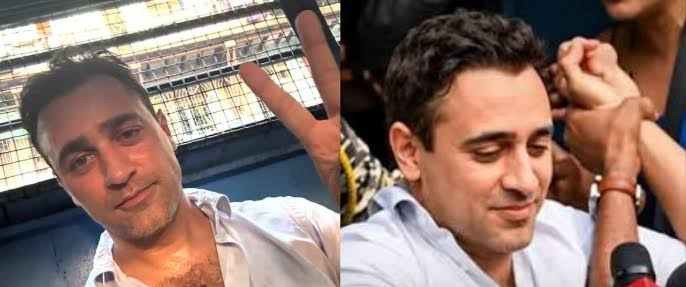
The FRRO notice, dated October 14 and served on the actor this week, alleges contravention of provisions of the Immigration and Foreigners Act and states that administrative action has been initiated. Mumbai Police transferred the complaint to the FRRO after Imran Khan, who holds United States citizenship and an Overseas Citizen of India card, was briefly detained on October 10 during the protest demanding the resignation of Chief Election Commissioner Gyanesh Kumar.
Imran Khan has told journalists and legal contacts that he will challenge the order in the Bombay High Court. His legal team, led by an advocate who confirmed an intention to file a petition, plans to argue that neither the Act nor its rules categorically bar OCI cardholders from participating in peaceful assemblies and that the move to remove him is disproportionate.
Why authorities say they acted
Officials quoted in coverage by national newspapers said the action rests on the view that foreign nationals, including OCI cardholders, must comply with visa and immigration conditions, and that participation in political protests may amount to a violation. Sections of the Immigration and Foreigners Act cited by multiple reports give the government power to order the removal of a foreigner if they contravene the Act, related rules, or are the subject of an adverse security report.
Public comments from a police official repeated in news reports framed the case as an administrative enforcement step. A complaint from a political figure was reported to have prompted the police referral to the FRRO, which then issued the leave India notice to Imran Khan.
Legal and practical issues around OCI status
The central legal question in the coming challenge is how the Immigration and Foreigners Act, 2025, treats OCI cardholders for the purpose of political participation. OCI status grants a range of residency and travel privileges to foreign nationals of Indian origin, but it does not confer Indian citizenship. Analysts and lawyers interviewed in background coverage note that the Act explicitly treats OCIs as foreign nationals for immigration purposes, which gives the government broad powers under the new law. At the same time, questions remain about whether those powers can be used to remove an OCI for attending a peaceful demonstration, particularly when no criminal offence has been established.
Legal commentators quoted in coverage pointed to the tension between the statute’s administrative removal powers and constitutional guarantees that regulate assembly and expression for citizens. They said the Bombay High Court will likely have to consider whether removal orders directed at OCI cardholders satisfy principles of proportionality and procedural fairness when the alleged conduct is attending a public protest.
What this means for Bollywood and public figures
The case highlights the heightened scrutiny public figures can face when they participate in contentious political events, and it underscores the limits that attach to noncitizen residency rights. Imran Khan is a known presence in Hindi cinema and his involvement in the protest has attracted broad media attention because of his celebrity and family ties within the industry. The matter is likely to test the boundaries of enforcement under the 2025 Act, and may shape how immigration authorities respond to future incidents involving noncitizen public personalities.
Producers, talent managers and legal teams in the film industry are watching closely because the outcome could set a precedent about how OCIs and other foreign nationals who are part of India’s entertainment ecosystem engage in political activity without risking administrative removal.
Next steps and timeline
Imran Khan’s lawyers have indicated they will file a petition in the Bombay High Court seeking to quash the FRRO order. News reports suggest an urgent mention may be sought, so the affair could see a court hearing within days. Meanwhile, the FRRO deadline of October 28 remains in effect unless a court stays the notice or the FRRO withdraws or amends its order.
Until a judicial decision is taken, the matter will unfold as a legal contest between the executive power to regulate the presence of foreigners and a court determination on the scope of that power when the conduct at issue is participation in a public protest. The case is therefore not only important for Imran Khan personally, but also for how India’s immigration framework will be applied to high profile noncitizen residents in politically charged settings.