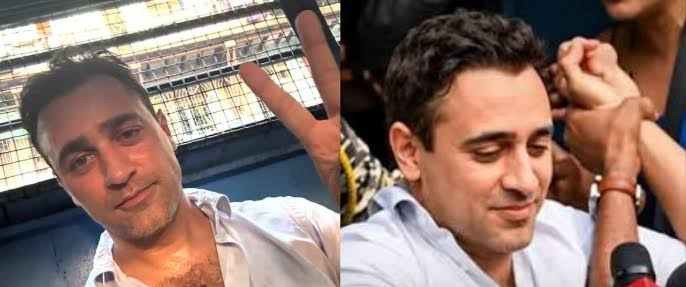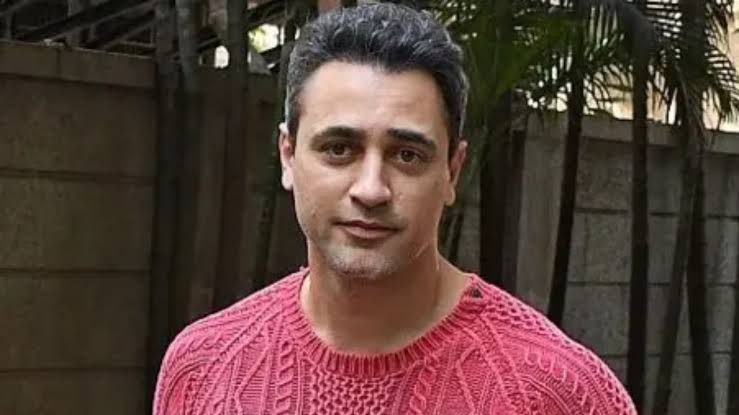
Actor Imran Khan, who holds United States citizenship along with Overseas Citizen of India status, has been issued a notice by the Foreigners Regional Registration Office in Mumbai directing him to leave India by October 28, after he participated in a protest against the Chief Election Commissioner on October 10. Khan’s legal team said they will approach the Bombay High Court on October 16 seeking to quash the order, turning the administrative directive into a live legal dispute about the boundaries of OCI rights and immigration enforcement.
What the notice says and how the government framed it
The FRRO notice, issued through Mumbai authorities, cites alleged contraventions of the Immigration and Foreigners Act and related rules, and warns that failure to depart could expose Khan to prosecution. The order identifies Khan as a US national holding OCI privileges and links the decision to his public participation in the demonstration at August Kranti Maidan in Mumbai on October 10.
The FRRO action follows a complaint filed by a political leader alleging that Khan’s presence at the protest amounted to a breach of the conditions that attach to an OCI card and the immigration rules governing foreign nationals in India. Authorities have used powers under the Immigration and Foreigners Act to direct removal where they say statutory conditions or security considerations are breached.
Immediate legal response and the Bombay High Court challenge
Khan’s counsel has publicly said the actor will move the Bombay High Court contesting the FRRO notice as illegal. The legal team is preparing a writ petition, arguing that the administrative order must be tested in court and that OCI status confers a set of entitlements and procedural protections which the government cannot abridge without following due process.
Lawyers and commentators who have reviewed the available documentation note two procedural questions likely to surface in court: whether the FRRO provided a fair opportunity for representation before issuing a removal directive, and whether participation in a peaceful political gathering can by itself justify removal or withdrawal of OCI privileges under the relevant statutory provisions.
Why this matters for OCI cardholders and foreign artists
The dispute is significant because it forces a statutory and constitutional examination of how far administrative immigration powers extend when exercised against Overseas Citizens of India. OCI cards are routinely held by artists, professionals and diaspora Indians who travel frequently to India for work. If a precedent establishes that attendance at political demonstrations, even peaceful ones, can trigger removal, it could affect the willingness of foreign nationals with OCI status to participate in public civic activity while in India.
For the film industry the case raises practical concerns. Some actors and film workers in India hold foreign nationality or OCI cards. A court ruling that narrows the public conduct permitted to OCI cardholders or that endorses swift administrative removal for political activity would change how producers, event organisers and talent plan appearances and promotions.
Legal context and open questions
Statutes invoked in the notice give the Central Government and its agencies broad authority to order removal of foreigners on grounds that include contravention of immigration rules and adverse security reporting. However, legal experts point out that removal orders normally require reasoned findings and procedural fairness. The precise legal test that will guide the Bombay High Court includes whether the acts alleged fall within the statutory language and whether the FRRO followed required processes.
Another unresolved question is how OCI status interacts with political activity. The rules that underpin OCI cards contain restrictions, but authoritative interpretation on whether ordinary participation in protests amounts to a disqualifying offence is limited. The court may need to reconcile immigration statute, administrative procedure norms and fundamental rights jurisprudence where overlapping principles apply.
Political and industry reactions
The matter was triggered by a public complaint from a political actor, who urged enforcement agencies to act after Khan’s participation at the October 10 demonstration. In response, Khan’s representatives characterised the FRRO order as draconian and said they will seek judicial relief immediately. Industry voices and civil liberties commentators are watching closely, because the outcome could influence future interactions between foreign nationals who have legal ties to India and the state when it comes to exercising civil liberties while visiting.
What to watch next
The Bombay High Court filing scheduled for October 16 will be the next key step. The court could grant interim relief, stay the FRRO directive, or decide that the matter requires fuller hearings. If the High Court decides to hear the petition fully, the case may generate broader legal clarifications about OCI entitlements, the procedural standards authorities must follow when ordering removal, and the limits of administrative power where political expression is involved.
Whatever the outcome, the dispute will be an important reference point for foreign nationals with OCI status, legal practitioners who advise them, and cultural industries that rely on cross border movement of artists and technicians. The judgment could reshape expectations about the margin of permissible public conduct for OCI cardholders visiting India.