Virgin shows mock up and names train supplier
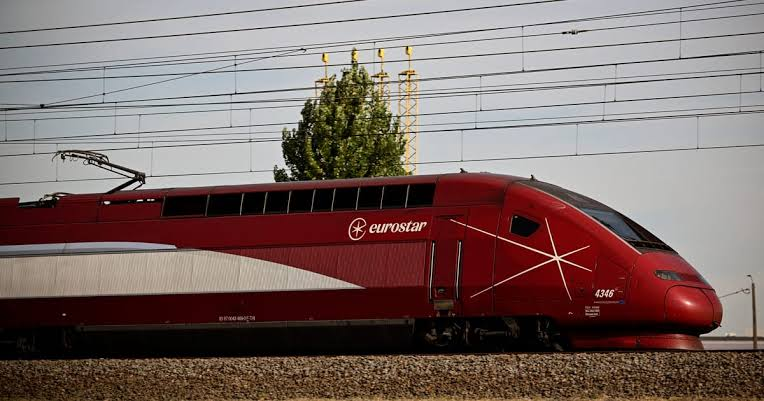
Virgin today unveiled a public preview of the interior and livery for the high speed trains it intends to operate through the Channel Tunnel, confirming earlier arrangements with French manufacturer Alstom for a 12 unit Avelia Stream fleet. The company said the trains will form the backbone of planned services from London to Paris, Brussels and Amsterdam, targeting a commercial launch in 2030.
Depot and maintenance arrangements in place
As part of the package unveiled today, Virgin has secured access to Temple Mills international depot in east London for train maintenance. That arrangement builds on regulatory approvals and recent commercial agreements that allow the operator to base its fleet at the existing Temple Mills maintenance complex, which is currently used by Eurostar.
What Virgin is promising passengers and business customers
The mock up shown publicly highlights refreshed interiors, new catering concepts and a focus on on board hospitality and flexible seating aimed at business travellers and leisure passengers. The operator has not yet published fares, timetables or an exact launch schedule, but said the fleet specification and depot access are key milestones needed before safety certification and timetable filings can be finalised.
Why the development matters for UK transport markets
The move represents the most tangible step so far towards meaningful competition on cross Channel passenger rail since Eurostar began services in the 1990s. For consumers, the arrival of a new operator could put downward pressure on fares and increase scheduling options, particularly for city centre to city centre journeys between London and major European capitals. For business travel managers and corporate buyers, additional capacity and an alternative supplier could reshape rail procurement and travel policies for routes where air and rail currently compete.
Industry and supply chain implications
Ordering 12 high speed trainsets has implications up and down the supply chain, especially for Alstom and its UK manufacturing and maintenance ecosystem. The agreement is likely to involve engineering work in British facilities and longer term maintenance roles at Temple Mills, supporting jobs in east London and in regional supply yards tied to Alstom projects. The deal also underlines the continuing role of pan European train builders in supplying the UK market, and comes as the sector adapts to new environmental and digital requirements for rolling stock.
Regulatory steps still to clear
Although the procurement and depot arrangements are significant, several regulatory and technical steps remain before services can start. Virgin will need to secure operator safety certification, obtain authorisation to run through the Channel Tunnel, and finalise timetables and track access rights across multiple national networks. The Office of Rail and Road and French and Belgian authorities must sign off on safety and operational approvals. Those processes are time consuming and typically involve detailed testing and phased approvals over months and sometimes years.
Challenges for Eurostar and market reaction
Eurostar has operated without direct cross Channel passenger competition for decades. A new entrant with committed rolling stock and depot arrangements intensifies competitive pressure on pricing, promotions and service innovation. Market reaction this morning from rail industry commentators noted the potential for a wider reshaping of cross Channel travel economics, particularly for short haul flights connecting the same city pairs.
What to watch next
Key near term indicators will include filings with the rail regulator on safety certification and formal track access applications, disclosed delivery timetables for the Avelia Stream trainsets, and any published announcements on fares and service frequencies. Observers will also watch whether the new entrant secures commercial partnerships with UK airports, rail hubs and European operators to create intermodal connections for passengers. The pace and outcome of regulatory approvals will determine whether the 2030 target is achievable or requires adjustment.
The development marks a clear step in the opening of a market that has long been dominated by a single operator, with implications for passengers, freight connected services and the wider UK transport and manufacturing ecosystem.