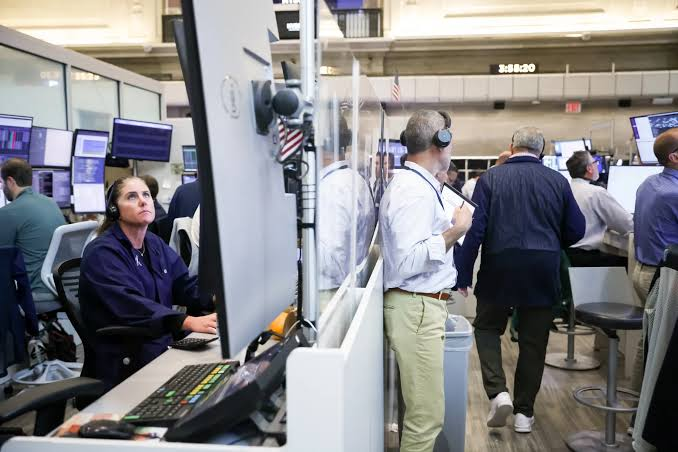
Markets Hold Breath Ahead of Fed September Minutes as Oil and Yields Push Dollar Higher
U.S. markets opened cautiously on Oct 7 as investors awaited release of the Federal Reserve minutes from its September meeting. Rising oil prices and higher Treasury yields lifted the dollar while trimming risk appetite ahead of guidance that could reshape the policy path into year end.
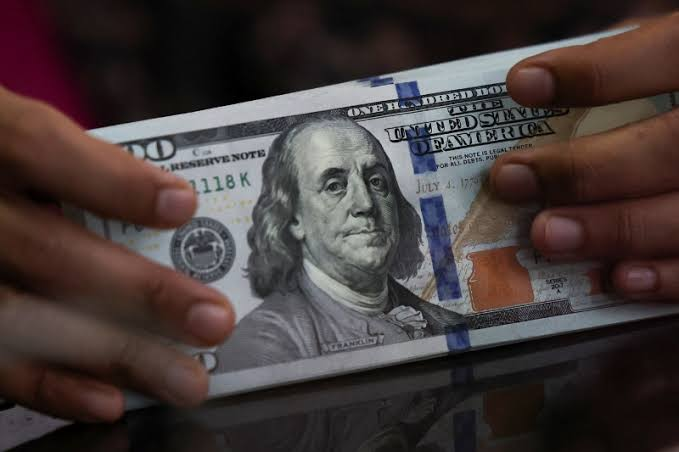
H2: Investors await clarity from the Fed U.S. asset markets opened the trading day with a muted tone on Wednesday, October 7, as investors focused on minutes from the Federal Reserve's September policy meeting. The record of that meeting is scheduled for release later in the day and is expected to reveal the depth of debate among policymakers about the need for further interest rate increases after the committee raised its policy rate in September for the first time since 2023. The run-up to the minutes has already had measurable effects on markets. The U.S. dollar firmed against a basket of currencies, Treasury yields rose, and equity indexes showed early weakness in response to climbing yields and a rebound in oil prices. Traders are looking to the minutes for signals that could tighten or loosen expectations for the Fed's next moves, especially as markets reprice the odds of a hike in October and further adjustments through December. H2: What markets priced in before the minutes In the days leading into the release, investors sharply reduced the probability of a rate increase at the Fed's meeting later this month. Market-implied odds of at least a 25 basis point hike in October fell materially from recent levels. At the same time, futures and options pricing left a meaningful chance of additional tightening by December, a split that reflects market uncertainty about how incoming data will influence the committee's deliberations. Higher oil prices were an important immediate driver of the dollar's strength. Supply concerns and renewed geopolitical risk in energy-producing regions lifted crude, putting upward pressure on inflation expectations and on bond yields. Rising yields, in turn, act as a headwind for growth-sensitive assets and compress valuations in parts of the equity market that have performed strongly this year. H2: Why the September minutes matter Minutes from a prior Fed meeting do not contain new policy decisions, but they do provide a readout of the committee's internal discussion and the range of views among governors and regional presidents. For investors, those details matter because they illuminate whether the Fed's recent rate increase was adopted with broad backing or amid significant dissent, and whether officials signaled openness to further moves. A minutes release that highlights widespread concern about persistent inflation or a preference among several officials for a quicker tightening path would likely push rates higher and strengthen the dollar. Conversely, if the minutes show that many policymakers favor pausing to assess incoming data, markets could pare back expectations for imminent hikes, easing pressure on yields and offering relief to rate-sensitive sectors. H2: Immediate market effects and sector implications Treasury yields have been sensitive to both oil and inflation expectations this week, compounding the effect of shifting Fed expectations. For fixed income investors, a minutes release that signals more internal hawkishness could steepen the front end of the curve and push up short-term funding costs. That would raise borrowing costs for households and businesses and could further cool sectors such as real estate and some consumer discretionary areas. For equities, higher yields typically favour financials while weighing on growth stocks, whose valuations are most dependent on low-rate projections. Commodity and energy stocks may benefit from higher oil prices, while gold and other safe havens often react inversely to a firmer dollar. H2: The geopolitical wildcard and the policy calendar Market participants are watching two overlapping influences. First, elevated oil prices driven by geopolitical tensions have raised the bar for the Fed to be confident that inflation is sustainably moving toward its target. Second, the committee faces a busy near-term calendar including public speeches by Fed officials that can shift market perceptions before the next formal meeting. The Fed is scheduled to meet at the end of October. Investors will use the minutes as a guide to how the committee might approach that meeting, but the minutes will not replace fresh incoming economic data. Employment, inflation, and consumer activity numbers between now and the October meeting will remain the primary inputs for Fed decision making. H2: What to watch in the minutes and next steps Market participants will read the minutes for several specific signals. These include how many members favored further near-term tightening, how committee members judged the durability of recent inflation trends, and whether concerns about global or financial stability influenced their stance. Traders will also scan for language about the Fed's tolerance for inflation overshoots versus the risk of constraining growth. If the minutes emphasize caution and a desire for more data, markets could reduce the probability of an October hike further, lowering near-term volatility. If, instead, the minutes highlight persistent inflation worries or a preference among several policymakers for more rapid tightening, expect a quick repricing toward higher policy expectations and renewed upward pressure on the dollar and yields. H2: Why this matters for businesses and households Even though minutes are backward looking, they influence forward expectations for borrowing costs, mortgage rates, and credit conditions. Businesses make investment, hiring and pricing decisions based on those expectations. For households, mortgage financing and consumer credit costs will move in tandem with yield and policy rate expectations. A credible signal from the Fed that rates will stay higher for longer would increase financing headwinds across the economy. H2: Bottom line The Federal Reserve minutes from September are the day’s top macroeconomic event for U.S. markets. With oil prices elevated and yields on the move, the release could either temper or accelerate recent shifts in rate expectations. Investors and policy watchers will parse committee deliberations closely because the details will help shape how markets and the economy position for the rest of the year.
Topics
LocationFederal Reserve and U.S. markets