Central bank moves to tighten as inflation risks spread
The Reserve Bank of India on October 7, 2026 raised its policy repo rate by 25 basis points to 5.50 percent and changed its monetary policy stance from neutral to calibrated tightening. The Monetary Policy Committee made the decision after weighing a sharper inflation outlook against still-robust growth estimates, signalling that the era of lower rates in India may be drawing to a close.
What the MPC said and the numbers behind the call
At its October meeting the central bank revised its near term projections, lifting the fiscal year 2026-27 growth forecast while nudging up its inflation projection. The bank now sees headline GDP expansion around 7.1 percent for the year, while its inflation projection moved marginally higher, reflecting concerns about rising global commodity prices, including oil, and weather driven food-price pressures.
The 25 basis point increase is the first policy rate rise since early 2023. RBI Governor Sanjay Malhotra and the MPC framed the decision as a measured, data dependent shift. By adopting the language calibrated tightening, the bank signalled it is prepared to raise rates further if inflation risks materialise, but that future action will depend on incoming data on prices, growth and external pressures.
Immediate market reaction: bonds, currency and equities
Financial markets responded quickly. Sovereign bond yields rose, with the benchmark 10 year yields moving to levels not seen earlier in the year as investors adjusted to the prospect of a higher for longer interest-rate environment. The rupee weakened against the US dollar, trading nearer recent lows as currency markets weighed higher global yields and persistent portfolio outflows.
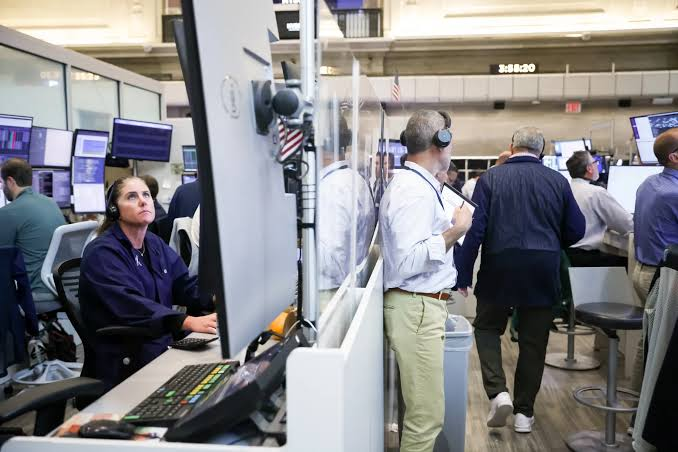
Equities felt the policy shock the following day. On October 8 Indian benchmark indices recorded heavy losses, with the Sensex falling more than 1,000 points in intraday trade as rate sensitive sectors sold off. Market volatility spiked as investors rechecked valuations that had benefited from a prolonged low rate backdrop. Banking and some financials showed mixed moves, while consumer discretionary, auto and real estate names were among the hardest hit as analysts reworked demand and financing assumptions.
Why the RBI acted now
Two broad developments pushed the MPC toward tightening. First, international oil prices have risen again this autumn, creating import price pressure for India and broadening inflationary risk. Second, domestic demand indicators have remained resilient, with credit growth and activity metrics consistent with above trend expansion. The combination made it harder for the RBI to justify remaining on a neutral footing while inflation risks were gaining traction.
The calibrated tightening language is intended to give the RBI flexibility. It signals the bank is ready to use its tools to keep inflation expectations anchored, while leaving open the option to pause if price pressures prove transitory. Policymakers emphasised the conditional nature of further action, linking it to actual inflation outcomes and the trajectory of global financial conditions.
Implications for borrowers, investors and policy
For households and firms the immediate effect will be small but meaningful. Retail loan rates and corporate borrowing costs will adjust gradually as banks pass through higher policy rates, lifting the cost of new credit. That is likely to cool some discretionary spending and investment decisions that had been fuelled by cheap finance over the last few years.
Investors will have to factor in a new regime where monetary policy is less accommodative. Fixed income investors can expect higher yields on government paper, improving returns for new buyers but producing mark to market losses for holders of existing bonds. Equities will be more sensitive to earnings delivery and balance sheet strength than to benign rate tailwinds.
At the policy level the RBI now faces a delicate balancing act. It must guard against inflation becoming entrenched while avoiding unnecessarily choking off growth. The bank has signalled it will watch crude prices, food supply developments and capital flows closely when deciding whether additional hikes are required.
Outlook and what to watch next
Markets and economists will now focus on several near term indicators to judge whether the RBI’s shift marks the start of a prolonged hiking cycle. Key items to monitor include monthly consumer price prints, crude oil movement, the pace of bank credit growth, and foreign portfolio flows. Central bank commentary and minutes from the policy meeting will also be scoured for guidance on the likely timing and magnitude of any further moves.
For businesses, the change means financing strategies and investment plans must be stress tested against modestly higher rates. For policymakers, the priority will be to maintain clarity and predictability so the transition to a tighter monetary stance imposes order on markets and supports medium term inflation stability without derailing growth momentum.
As the RBI itself emphasised, the path ahead is conditional. Markets have repriced risk, and the coming weeks of data will determine whether calibrated tightening becomes a multi step campaign or a one off adjustment to a shifting global price environment.