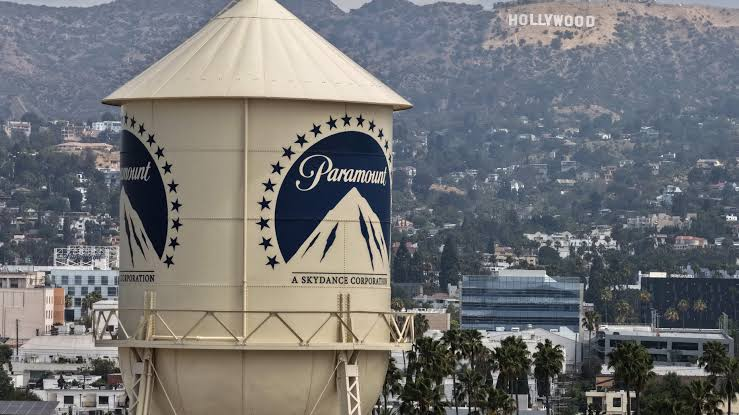
Skydance’s acquisition of Warner Bros, completed last week, has instantly remade a large portion of Hollywood’s corporate landscape, bringing two of the industry’s most recognizable studio brands and their vast intellectual property portfolios under unified control. The deal places franchises ranging from classic studio-era films to recent streaming hits inside a single company, and studios, talent and production partners are already sizing up the likely effects on greenlighting, release strategies and workforce planning.
What changed this month
The transaction finalized by Skydance merges Warner Bros’ global production and distribution operations with Skydance’s existing film and television businesses. The combined company now controls a sprawling catalogue of film and television rights, established theatrical distribution infrastructure, and extensive streaming and franchise assets. Company leaders are presenting this as a strategic move to assemble scale and franchise depth at a time when content economics favor large, cross platform portfolios.
Immediate practical effects
For the industry the implications are practical and fast moving. Studio executives and financiers say the combined balance sheet gives Skydance greater leverage over production slates and release windows, and could alter licensing negotiations with streamers, international distributors and theatrical chains. Producers with projects in development at both companies are seeking clarity about where those projects will land and whether release schedules will be consolidated, delayed or accelerated.
Talent and guild representatives report early contact from the company’s integration teams about contract continuity and production timelines. Unions and crew contracting groups are monitoring the integration for changes to collective bargaining dynamics, freelancer hiring practices, and the staffing of long running television series that rely on stable production bases.
Franchise stewardship and creative risk
Industry observers note the transaction concentrates stewardship for major franchises in fewer hands, a shift that can produce both stability and risk. On the positive side, centralized franchises can be coordinated across film, television and theme park or consumer products divisions, generating more revenue opportunities. On the other hand, critics say consolidation can encourage safer, franchise-first strategies that deprioritize mid budget original films and auteur-driven projects that do not promise franchise returns.
Creative communities are watching which executives, development heads and label structures survive the integration. Those decisions will determine whether the combined company pursues broad franchise exploitation or returns resources to smaller scale, stand alone storytelling.
Jobs, facilities and the production pipeline
Skydance’s leaders have said the goal is to maintain operational capabilities, but industry sources caution that overlap in domestic and international offices, post production facilities and distribution teams often leads to consolidation. Local economies that host physical production can feel those effects quickly if headquarters, physical production units or marketing teams are relocated or merged.
For ongoing productions the immediate priorities are clarity on financing, insurance and distribution commitments. International distributors and co producing partners are seeking written assurances that preexisting agreements remain binding. Producers on multi season series or long lead theatrical productions require firm commitments to avoid costly delays.
Regulatory and competitive questions
The deal’s scale raises predictable questions from competition watchers and policy observers about how concentrated ownership of content libraries affects market dynamics for independents, streamers and exhibition. Regulators in several jurisdictions routinely review transactions of this size with an eye toward preserving competitive markets, and analysts expect continued scrutiny of downstream licensing practices.
How those reviews proceed, and whether regulators impose conditions, could determine how freely the company can shift content between its own windows and third party platforms.
Why this matters to audiences and creators
For audiences the consolidation could change where and when they watch familiar franchises. The new company may favor windowing that prioritizes its own distribution channels and partnerships, altering licensing patterns with rival streamers. For creators, the reorganization will affect who makes greenlight decisions, how budgets are allocated, and which projects are prioritized.
As the industry adapts, studios and talent will be watching closely for signs about whether the merged company will preserve a diverse slate of films and shows, or tilt more toward franchise building and franchise maintenance strategies that can deprioritize smaller scale creative risks.
In the coming weeks, expect Skydance to publish integration plans, offer formal guidance to partners and staff, and for regulators and industry groups to request detailed information about competitive and employment impacts. Those documents will provide the clearest indicators of how the takeover will settle into Hollywood’s routines and markets.