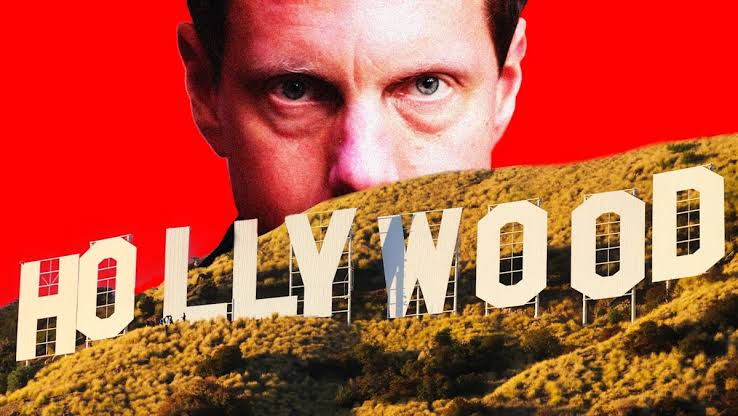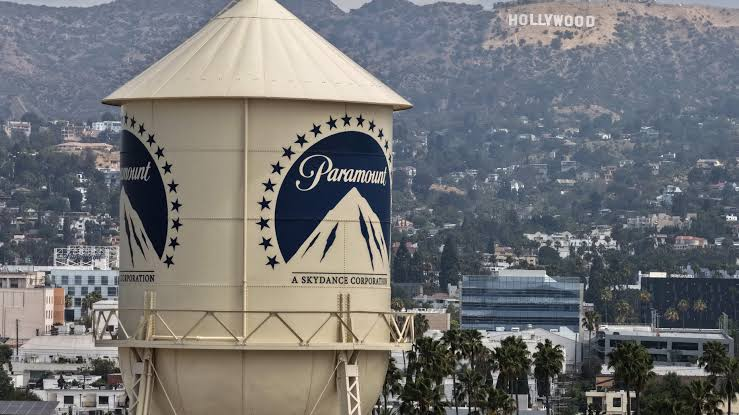
Representatives for Paramount Skydance, California Attorney General Rob Bonta and a coalition of 11 other state attorneys general, together with the Writers Guild of America, sit down in San Francisco on Oct. 14 for a court-ordered, two-day settlement conference over Paramount’s proposed takeover of Warner Bros. Discovery. The talks are the procedural milestone the judge ordered after a summer of litigation and public brinkmanship, and they come as the deal’s financial and operational clocks tighten around both companies.
What is happening this week
The settlement conference, required by the court, runs Oct. 14 and Oct. 15 and is scheduled to be in-person. The order requires parties to send briefs ahead of the sessions that summarize where each side stands, identify discrete issues that could be resolved to facilitate a deal, and name negotiators with authority to settle. The Writers Guild of America, which has filed a separate challenge to the transaction, will participate alongside the states.
The meeting does not guarantee a deal, but it is the first formal opportunity for state plaintiffs and Paramount to bridge the gaps the states say remain. For months California and a coalition of attorneys general have said they will not accept mere behavioral promises, such as programming commitments, and instead have pressed for structural remedies. Paramount has resisted divestitures while offering a range of concessions and assurances intended to protect jobs, production spending and journalistic independence at news operations that would fall under the combined company.
Why the conference matters for Hollywood
The outcome of any settlement will determine whether the merger closes, and under what terms. The transaction would combine two of the industry’s largest film and television studios, a big slate of cable networks, streaming services and major news organizations. That concentration has concerned state enforcers because it could reshape where projects are greenlit, where production activity happens, how bargaining power is distributed across talent and labor, and whether local jobs and independent producers keep access to studio resources.
There is also a practical financial pressure on Paramount. Under the merger agreement, a ticking fee on delayed closing began Oct. 1, creating a material daily cost if the transaction does not promptly move toward closing. That economic pressure has been a recurring theme in negotiations and in public statements from the companies and their backers.
What each side is emphasizing
California’s office and allied state attorneys general have emphasized structural remedies that would permanently alter the combined company’s footprint, including potential divestitures or legally binding separations for business units. They have also sought enforceable commitments that protect local production spending and safeguards for editorial independence at CNN and CBS News.
Paramount’s negotiations to date have emphasized a combination of measures: promises to maintain or increase U.S. production spending, governance mechanisms to protect newsroom autonomy, and operational ideas such as temporarily operating the two studio systems separately instead of folding them together immediately. Paramount and its supporters have argued that concessions short of divestiture can be effective and that the company’s multiagency approvals globally weighed in favor of letting the deal proceed under enforceable safeguards.
Where unions and Hollywood workers fit in
Labor groups have been explicit about what they want from any settlement. The Writers Guild has argued that the deal could degrade writers bargaining leverage and reduce jobs if the combined company trims overlapping operations. Other unions and local officials have focused on commitments to maintain studio lots and production activity in California, saying those elements are essential to sustaining the local ecosystem of craftspeople, crew and related businesses.
Settlement terms that include binding production spending guarantees, local job commitments or oversight boards would be designed to give workers and communities tools to hold the combined company to promises that might otherwise be subject to business discretion.
What to watch over the next 48 hours
Whether the conference produces a signed memorandum of understanding or detailed framework that narrows the gap between structural and behavioral remedies.
Which concessions, if any, Paramount will make public or be reported by the states: potential divestitures, formal guarantees on production spending and job protections, or enforceable editorial oversight mechanisms for news divisions.
How the Writers Guild frames any settlement, since the guild has separate litigation and specific demands tied to writers employment and creative control.
Any court filings that follow the conference that clarify remaining obstacles and the timing for a possible close or a path to trial, which is currently scheduled for March 2027 if no settlement is reached.
For the broader industry, the stakes extend beyond two companies and one courtroom. If the parties craft a settlement that relies heavily on enforceable structural changes, it could set a new precedent for how state enforcers manage media consolidation. If the parties instead reach a deal built mainly on behavioral promises and governance mechanisms, that would shape expectations about how much separation is needed before large-scale vertical and horizontal consolidation moves forward.
As discussions unfold in San Francisco, studios, unions, local officials and investors will be parsing every term for its potential to reshape jobs, production geography and the editorial independence of major newsrooms. Any durable settlement will need to persuade both antitrust enforcers and unions that the combined entity will not undercut competition, local economies or the creative workforce that sustains Hollywood.