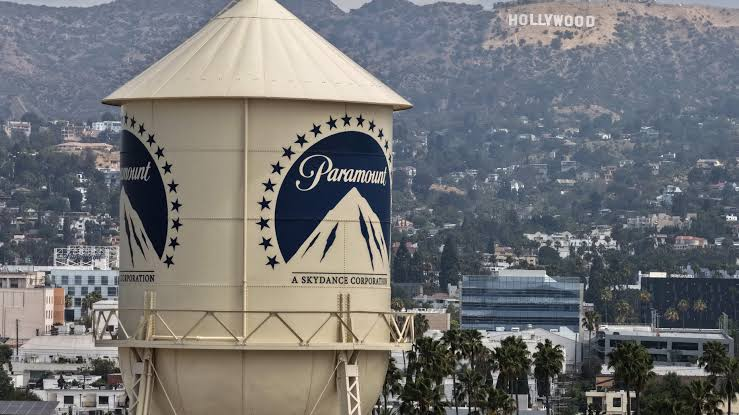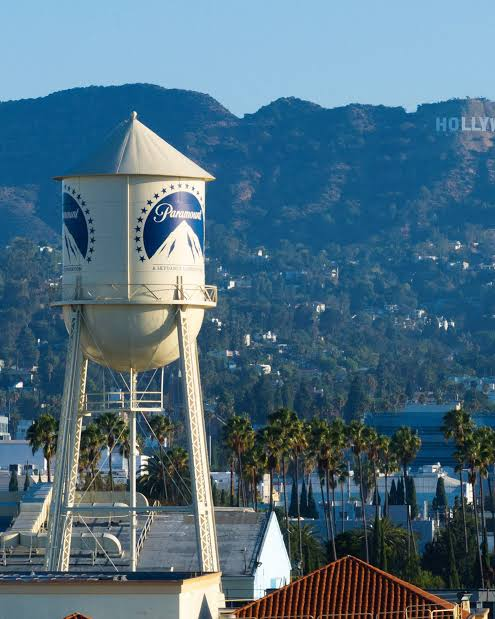
Paramount Skydance and a coalition of state attorneys general, joined by the Writers Guild of America, convened for a court ordered, two day settlement conference in San Francisco on October 14 and 15, 2026, in a last effort to resolve litigation that threatens to block the proposed $111 billion acquisition of Warner Bros. Discovery. The session brings into close contact two of Hollywoods most powerful private companies and a set of public enforcers focused on the merger's potential consequences for competition, jobs and creative output.
What is on the table at the settlement conference
The government challengers, led by California Attorney General Rob Bonta, have sought what they describe as structural remedies and enforceable safeguards. Their public filings and statements have emphasized concerns that the deal would concentrate market power across theatrical distribution, streaming and cable networks, and could harm independent producers, smaller distributors and workers who support film and television production.
Paramount Skydance, backed by private capital and the Skydance group of companies, has argued the transaction will create scale needed to compete with deep pocketed streaming platforms and international studios. Company filings and communications with state regulators have framed concessions as unnecessary and potentially disruptive to a deal they say will generate more annual film output and investment in production.
The Writers Guild of America joined the talks as a direct stakeholder. The WGA has advanced demands seeking clear guarantees on writers workload, staffing levels, and protections against consolidation driven cost cutting. The union has warned that a merger without contractual protections could result in fewer high quality scripted projects and fewer bargaining unit jobs in writers rooms across the country.
How the process works and what it could produce
The conference is overseen by a federal magistrate judge who is tasked with facilitating settlement discussions. These court ordered settlement conferences are a standard step ahead of trial in complex antitrust litigation, and they can result in a spectrum of outcomes. The parties may reach no agreement and proceed to trial, they may agree to limited conduct remedies such as behavioral commitments, or they may negotiate structural concessions including divestitures of assets or lines of business.
Attorneys general typically seek remedies designed to preserve competition and to ensure there are enforceable mechanisms to protect consumers and workers. For its part, Paramount Skydance has repeatedly warned of the economic consequences of an adverse ruling or drawn out delay, including threats to relocate jobs or operations, and it has pushed for a bond to limit the economic impact of preliminary relief. Those arguments were part of prior filings in the case and remain part of the negotiation posture.
Why this matters to Hollywood and audiences
The deal would reshape Hollywood's studio landscape. Beyond ownership changes, mergers at this scale affect which films get made, how they are marketed and distributed, and how revenue is shared across theaters, streaming platforms and television networks. Creative talent and mid level production roles could face different bargaining dynamics if the number of independent studios and distributors declines.
For audiences, consolidation can change what titles appear in theaters and on streaming services, the geographic reach of releases, and the mix between franchise tentpoles and mid budget original projects. For workers, any remedies or enforcement provisions negotiated in San Francisco will determine whether promises about preserving production capacity translate into legally enforceable commitments.
What to watch next
The immediate outcome to monitor is whether the parties announce any partial or full settlement before the court session ends on October 15. If no deal is reached, the litigation will move toward a trial currently scheduled for early March 2027. Key milestones include any public statements by state attorneys general or union leaders summarizing progress, and court filings that would memorialize concessions or proposed consent decrees.
Observers will also be watching the content of any agreement for enforceability mechanisms, how worker protections are written, and whether proposed remedies include divestitures of networks, content libraries, or other business units that could materially change the competitive landscape.
Whatever the result, the San Francisco conference is a pivotal moment for how antitrust law and public interest concerns intersect with the changing structure of film and television production in the United States. The outcome will shape industry strategy, union bargaining positions and the options available to storytellers and distributors for years to come.