Skydance Names Leadership Team as Paramount Warner Merger Nears Oct. 6 Close, Setting New Direction for Hollywood
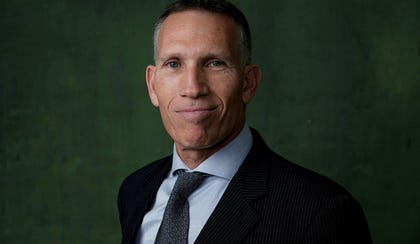
With the Paramount Warner Bros. merger expected to close on October 6, 2026, Skydance announced a leadership slate headed by David Ellison and Ynon Kreiz. The move crystallizes control of two of Hollywoods largest studios and raises immediate questions about production strategy, newsroom independence and jobs across the United States.
H2: New leadership, immediate consequences
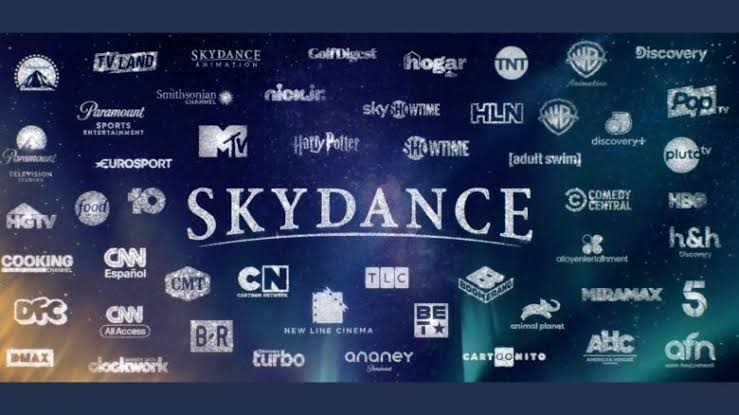
Skydance, the parent company formed by David Ellison's acquisition of Paramount, unveiled the executive leadership team for the anticipated combined company on October 5, 2026, a day before the deal is expected to close. Ellison will lead alongside Ynon Kreiz, who is joining as co chief executive. The announcement arrives as the transaction that folds Warner Bros. into Paramount moves toward a formal closing expected October 6, 2026, subject to customary conditions. The leadership reveal converts months of speculation into a concrete power structure for what will be one of Hollywood's largest vertically integrated media companies. Executives named to the new team will inherit an array of film studios, television networks, streaming services and newsrooms, spanning Paramount Pictures, Warner Bros., HBO Max, Paramount Plus, CBS and CNN. The consolidation is set to reshape the U.S. media landscape and the workplace for thousands of industry professionals. H2: What the deal promises for U.S. production and employment
Regulatory filings and the settlement with a coalition of state attorneys general include explicit commitments intended to address antitrust and public interest concerns. Those commitments include an increase in U.S. production spending and a minimum theatrical release cadence for the merged company. Skydance executives are framing the leadership changes as a launchpad to deliver on those promises, with an emphasis on expanding tentpole output while preserving the brand identities of the constituent studios. For Hollywood unions, craftspeople and below the line workers, the new company has pledged additional spending on domestic production. Industry watchers say those commitments, if implemented, could mean a measurable uptick in location shoots, studio lot activity and hiring in the years ahead. However, the practical effect will depend on how quickly the new leadership translates headline commitments into green lights, budgets and staffed productions. H2: Newsrooms and editorial independence under scrutiny
One of the most sensitive parts of the settlement governing the merger relates to editorial independence for the combined company's news properties. State enforcers pushed for mechanisms to protect journalistic autonomy at CNN and CBS News as part of the remedy package. The leadership announcement made clear the existing newsroom heads will remain in place for now, and the company has agreed to the creation of an independent board to oversee editorial safeguards. That arrangement will be watched closely by journalists, news unions and elected officials. Critics have voiced concern that the ideological stance, political donations or public statements of new ownership could influence programming choices, investigative priorities and newsroom staffing. Skydance executives have publicly stated that editorial independence is a priority, but the effectiveness of the independence board and monitoring will be judged by how the company responds to high profile political coverage and newsroom staffing decisions in the coming months. H2: Creative strategy and the theatrical slate
Skydance's leadership message highlights an intent to sustain a robust theatrical slate. Under the settlement, the merged entity agreed to a specified minimum number of theatrical releases per year and additional U.S. production spending targets. That commitment is likely to influence development pipelines, with an initial focus on big budget tentpoles, franchise extensions and high profile auteur projects that can drive global box office. At the same time, some industry executives warn that combining two large studios could lead to immediate reshuffling of green lights, delays or cancellations of projects deemed duplicative or insufficiently lucrative. For talent and creative teams, the near term will bring a mix of new opportunities and uncertainty. Dealmakers and agents across Los Angeles and New York are already recalibrating pitches and negotiating strategies to align with the new owners priorities. H2: What investors and advertisers will watch
Financially, the deal binds together extensive content libraries and advertising businesses, creating new scale that appeals to global advertisers and streaming subscribers. Investors will evaluate early indicators such as changes in release schedules, streaming content windows, ad inventory integration across linear and streaming platforms, and management moves at the sales and distribution levels. Advertisers will be particularly attentive to how the merged company manages news brands alongside entertainment offerings. The ability to protect newsrooms from perceived interference while integrating audience and ad systems will shape ad sales strategies and brand safety calculations. H2: Why this matters to the American film and television ecosystem
The consolidation of Paramount and Warner Bros. into a single entity under Skydance is not merely a corporate event. It reorders power in Hollywood, touching studio labor markets, regional production economies, independent producers, and the national conversation about media plurality and local jobs. The promises of increased U.S. production spending and commitments to theatrical releases aim to cushion political and regulatory concerns, but they also set expectations that the new leadership will be measured against in short order. For thousands of creative and technical workers in California, New York and across the United States, the coming weeks will reveal how those commitments translate into concrete work. For audiences, the new company will determine the availability and shape of major franchises, prestige films and television series going forward. And for journalists and civic leaders, the integrity of major newsrooms under new ownership will remain a primary point of watch. H2: The immediate next step
With the closing anticipated on October 6, 2026, the leadership team announced on October 5 becomes the guardrail for how the merged company begins its first operating days. Observers across Hollywood will be tracking the first batch of decisions, including which projects are accelerated, which chiefs oversee integration tasks, and how the company implements the oversight mechanisms promised for its news divisions. Those initial moves will provide the clearest signal of how Skydance intends to balance commercial scale, creative risk and public responsibilities in the U.S. media ecosystem.
Topics
LocationParamount Studios