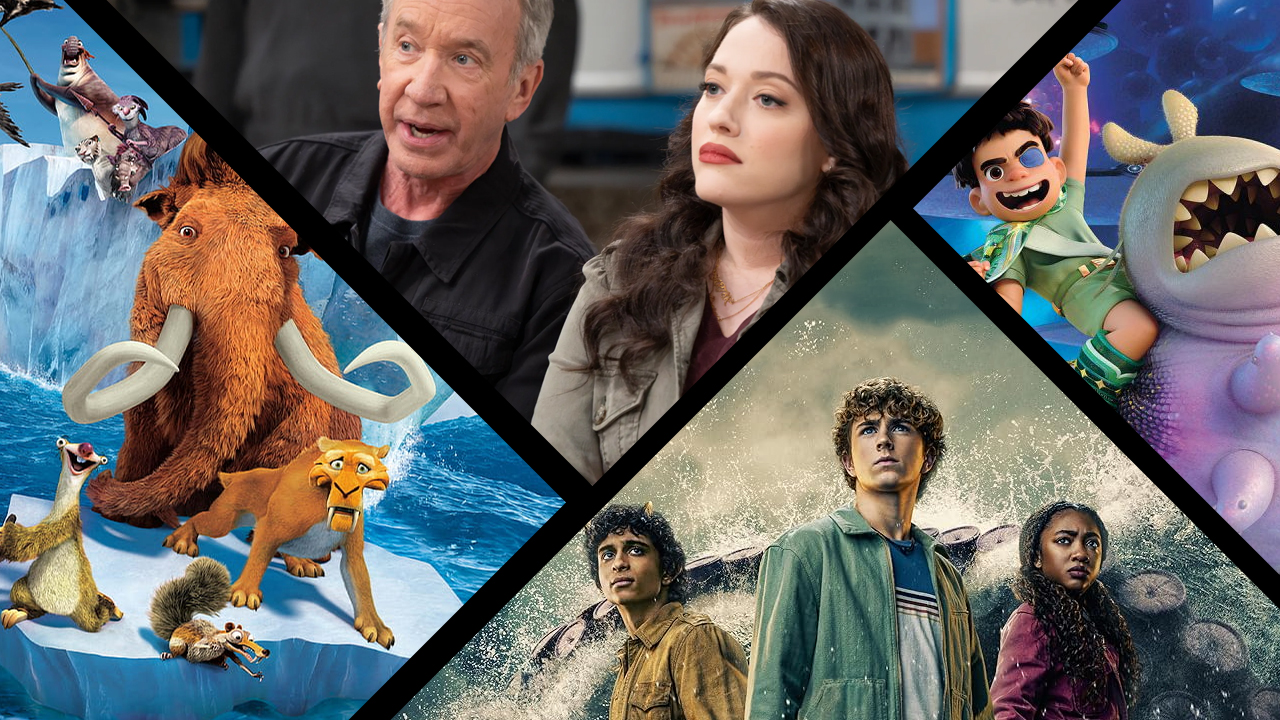
In a development that shifts the streaming landscape in the United States, a wide slate of Disney-owned films and television series began appearing on Netflix on October 4, 2026. The package includes family tentpoles and fan favorites that had previously been linked to Disney platforms, with the earliest titles available on Netflix as of today.
What is moving and why it matters
The transfer covers a range of properties, from animation franchise entries to live action series episodes. Among the items made available on Netflix in the United States today are all five Ice Age feature films and multiple seasons of the Percy Jackson series. Additional Disney titles are scheduled to follow in coming months, creating a temporary but material change to the content choices of U.S. subscribers across both services.
The licensing arrangement matters for three reasons. First, it signals a pragmatic turn by rights holders toward maximizing revenue and audience reach through third party deals, rather than holding exclusive windows indefinitely. Second, it alters the immediate competitive balance between Disney and Netflix in the key U.S. market, where each player has relied on exclusive franchises to attract and retain subscribers. Third, it sets a precedent for how studios might monetize catalog and midtier new releases in a market that has seen consolidation, fluctuating subscriber growth, and more complex distribution strategies.
How the market and viewers will feel the impact
For Netflix, the addition of recognizable family franchises and acclaimed series episodes supplies a short term boost to catalog depth during a historically competitive fourth quarter. For Disney and its streaming platforms, the deal creates room on their schedules and may help monetize titles that perform better with broad exposure than with exclusive scarcity. Viewers should notice the most immediate change in family and franchise browsing, where Ice Age films and Percy Jackson episodes will now appear alongside Netflix originals and licensed hits.
Exhibitors and theatrical distributors are less directly affected by this specific package because the titles involved are primarily catalog releases and streaming-first series rather than wide theatrical releases. However, the transaction underscores the broader industry pressure to rethink release windows, streaming holdbacks, and licensing as studios juggle box office, platform growth, and shareholder expectations.
What this means for future studio strategy
The arrangement demonstrates a willingness among major media owners to treat streamers as partners rather than purely rivals, depending on the title, timing, and commercial objective. Smaller studios and independent producers will be watching carefully, because such deals may change negotiation norms for catalog and pipeline titles. The move also amplifies questions about how long franchises remain bound to their home platforms and how studios forecast long term value from brand franchises.
Industry observers say the deal could presage more short term licensing collaborations between major studios and competing streamers, particularly for content that benefits from broad distribution, such as family franchises and multi season series with large built in audiences. That may curb pressure on any single platform to maintain every marquee franchise indefinitely.
What to watch next
Over the coming weeks, analysts will track two indicators closely. One, whether the licensing package drives measurable subscriber gains or engagement spikes for Netflix in the United States. Two, how Disney times subsequent title releases and whether the company announces similar third party licensing windows for other parts of its catalog. Both outcomes will inform whether this arrangement becomes an outlier tactical choice or a repeatable pattern for catalog monetization.
For U.S. viewers, the immediate takeaway is practical: several family friendly films and cult favorite series are now available on Netflix starting October 4, 2026, altering the streaming options for weekend and holiday viewing. For industry participants, the move is a reminder that platform loyalties are negotiable, and distribution strategies will keep evolving as studios balance monetization with brand stewardship.
The swift arrival of this slate on Netflix underscores how studios are experimenting with a mix of exclusivity, licensing, and timed sharing to extract value from enduring franchises while still pursuing direct to consumer ambitions.