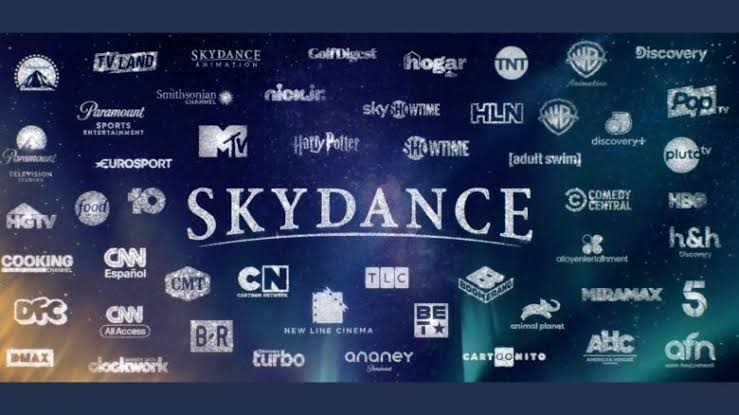
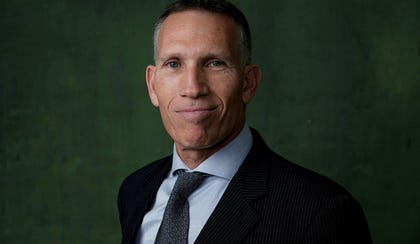
Paramount Skydance has announced a major management addition as it prepares to complete its roughly $110 billion acquisition of Warner Bros. Discovery, naming Mattel chairman and chief executive Ynon Kreiz to join the company as co chief executive at closing. The hire positions an experienced media and consumer products executive to run day to day operations of the newly combined studio and streaming empire, while Paramount Skydance chief executive David Ellison will retain responsibility for strategy, creative direction and technology.
Why the hire matters
The appointment of Kreiz is among the most consequential leadership moves tied to one of the largest media mergers in modern Hollywood history. Kreiz brings a track record that spans digital content networks, major branded entertainment successes and a recent stint leading a global consumer company. Paramount Skydance framed the pairing as a complementary leadership split, with Ellison focused on long term strategy and creative vision, and Kreiz charged with integrating and operating a far larger combined business that will include Paramount Pictures, Warner Bros., the Paramount+ and HBO Max streaming services, and an array of cable and broadcast properties.
Industry executives say the co chief executive structure reflects both the scale of the task at hand and the buyer’s belief that running the merged business will require operational expertise alongside a creative leader. Integrating two legacy studios, reconciling streaming platforms, and coordinating hundreds of film and television projects will be a logistical and cultural challenge that threatens to slow output and unsettle production partners if not carefully managed.
Regulatory hurdle cleared, closing now in sight
The executive hire follows a federal judge’s approval of a consent decree that resolved antitrust objections brought by a coalition of state attorneys general. That approval removed the last major judicial obstacle to closing the transaction, leaving customary closing conditions, financing steps and implementation tasks on the path to a formal transfer of control. Paramount Skydance has said the deal is expected to close in early October, and the company set Kreiz’s start date to coincide with the final stages of that timeline.
As part of the settlement with state regulators, the company made enforceable commitments designed to protect competition and American workers. Those commitments include minimum annual film release targets for the combined studio and increased investment in domestic film production. The new leadership team will be accountable for meeting those obligations while balancing shareholder expectations tied to the massive acquisition.
What this means for Hollywood and workers
On paper, the deal creates a unique scale advantage: a combined content library that spans heritage theatrical franchises, major TV networks and two large streaming services. That scale could deliver cost synergies and a bigger marketing reach for blockbuster films and tentpole series. The promises to boost domestic production and to release dozens of theatrical films each year are meant to reassure unions, states and workers that the merged company will continue to support U.S. film industry jobs.
But Hollywood reaction has been mixed. Labor leaders and some creatives have expressed concern that consolidation could concentrate bargaining power with fewer corporate decision makers, which could influence where projects get greenlit and how production resources are allocated. Independent filmmakers and some studio insiders also worry that the cultural distinctiveness of legacy brands could be diluted as management blends operations and pipelines for efficiency.
Leadership and governance questions ahead
The incoming co chief executive arrangement invites questions about governance and the division of authority. Ellison will remain chairman and chief executive, with a public description of responsibilities that leans toward long range priorities, while Kreiz will oversee the operational integration and daily management. Observers will watch how the new dual structure performs once the legal closing occurs, and whether the company moves quickly to install a single operating model or preserves the duality as a permanent arrangement.
Investors will be alert to the new management’s early decisions on studio leadership, content slates, and streaming strategy. Analysts also will be monitoring the company’s financing steps tied to the acquisition and any follow on decisions about divestments or new capital raises.
What to watch next
In the immediate term, industry attention will center on the formal closing of the transaction and public announcements about which existing studio executives will lead specific film and television units. The company’s ability to meet the production targets and financial commitments made to regulators will be tested in the first year under combined ownership. For creative communities and union stakeholders, the practical impact on hiring, project scheduling and local production spending will determine whether the merger’s promises translate into tangible benefits for Hollywood workers and regional economies.
For now, Paramount Skydance’s selection of a seasoned operator signals that the merged company expects the next phase of its transformation to be as much about execution and integration as about marquee creative bets.