POP Montreal closes its 25th edition with rooftop shows, art takeover and a focus on local talent
POP Montreal marked its 25th anniversary with a packed closing day on September 27, 2026, sending festivalgoers from theatre bills to rooftop stages and gallery pop ups while foregrounding Montreal and Canadian artists in a lineup that blended veteran acts and emerging voices.
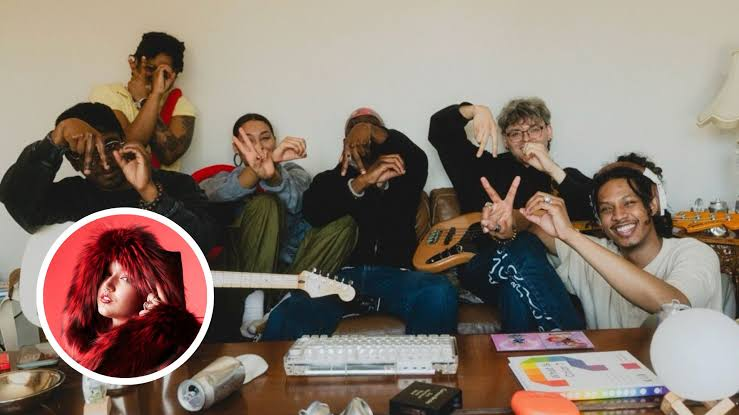
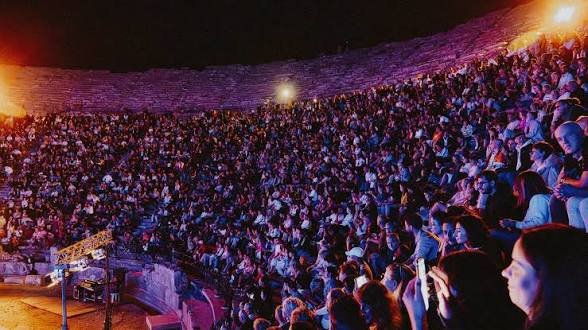
POP Montreal completed its five day 25th anniversary edition on Sunday, September 27, 2026, closing a festival that mixed late night club shows, daytime community events and an expanded Art POP program across Montreal neighbourhoods. The closing day reflected the festival’s hybrid identity, with headline evening performances at historic venues like Théâtre Rialto and intimate rooftop billings, plus daytime lifestyle events that included pop up markets, food-focused activations and panel conversations aimed at connecting artists with local audiences. A celebration of Montreal scenes and Canadian talent Festival programming emphasized Quebec and Canadian artists throughout the weekend, pairing international guests with homegrown acts. Prominent Canadian performers appeared across the weekend roster while curated showcases and Film POP selections placed local filmmakers and music-video makers alongside the music schedule. That domestic tilt underscored POP Montreal’s role as both an international discovery platform and a stage for Montreal’s music and arts ecosystem. Art POP and citywide takeover Art POP, the festival’s visual arts strand, extended to galleries, storefront windows and rooftop installations on Sunday, giving festivalgoers a chance to move between music and visual art without leaving central neighbourhoods. Organizers said the expansion to new rooftop venues was designed to highlight how the festival can animate underused urban spaces while creating opportunity for smaller visual artists and designers to reach new audiences. Lifestyle programming and local commerce Sunday’s daytime schedule featured fashion and lifestyle pop ups, artisan markets and family friendly activities, an approach POP Montreal has leaned into during recent editions. Local vendors and craftspeople reported steady foot traffic at market sites, and organizers said the programming was intended to create more sustainable revenue opportunities for artists between headline nights. A festival built for discovery POP Montreal has long billed itself as a festival about discovery. The 2026 edition maintained that focus by giving emerging bands and solo artists high visibility slots alongside more established names. Multiple venues hosted back to back showcases that paired upstarts with veteran acts, a format intended to expose newer performers to built in audiences and to give festivalgoers the sense of serendipitous finds that has defined the event for a quarter century. Audience experience and city impact Attendees described the closing day as energetic and convivial, with a mix of younger festivalgoers and long time supporters. Local business owners near principal venues said the festival continues to be an important weekend for restaurants, bars and independent retailers. City officials, who have supported the festival’s growth in past years, see POP Montreal as part of a late September cultural cluster that includes other music festivals and film events, reinforcing Montreal’s reputation as a fall cultural destination. Why this matters As festivals across Canada reassess post pandemic models, POP Montreal’s 25th edition illustrates one sustainable path forward: diversifying programming beyond evening concerts into daytime lifestyle events, visual arts programming and smaller showcases that spread economic benefits across neighbourhoods. By foregrounding Canadian and Montreal talent while keeping international discovery in the mix, the festival balanced local cultural investment with the kind of international attention that helps artists and the city alike. Looking ahead Organizers say they will review audience feedback and partner input from the anniversary edition to guide programming choices for 2027. With its mix of rooftop innovations, Art POP expansion and a strong local focus, POP Montreal’s 25th year closed on a note that suggests continued experimentation and an emphasis on connecting artists directly to the city’s cultural and commercial life.
Topics
Locationvarious venues, Montreal