On October 5, the Dovzhenko Centre’s Ukrainian New Wave short film program, billed as Ukrainian New Wave. On Coming Together, completed its scheduled run in Kyiv, closing a two week run that brought eight recent short films by emerging Ukrainian directors to city screens. The program opened at Kyiv International Short Film platforms in late September and traveled to multiple Ukrainian venues through the first days of October.
Small films, large themes
The selection gathers contemporary short fiction, animated work and documentary pieces that interrogate how intimate life persists amid sustained national trauma. Screening notes and program materials describe films that range from domestic portraits of memory and displacement, to experimental pieces probing loneliness and adaptation, to animated explorations of trauma and return.
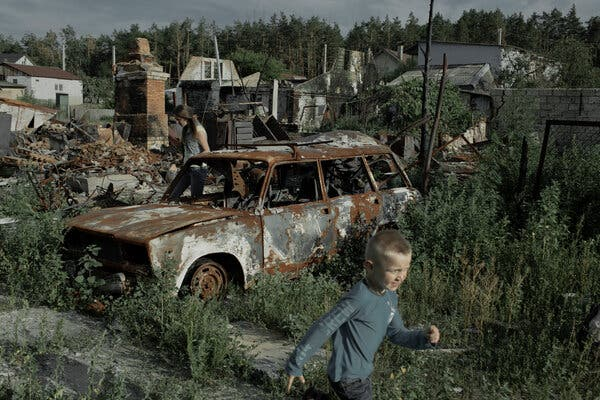
Several works overtly address the effects of the protracted war on everyday life. One film follows memories of a southern town before and after the fighting. Another uses animation and neural network driven techniques to represent post traumatic stress. Other entries focus on private encounters, brief kindnesses, or the small absurdities of life under curfew and uncertainty.
Where the program showed and who organized it
The almanac was presented by the Dovzhenko Centre as a curated selection of the year’s notable short films by Ukrainian authors. Program listings show screenings at multiple Kyiv venues during the festival window that began in late September and ran through October 5. The program is also scheduled for showings in a handful of other Ukrainian cities in October, with Dnipro, Zaporizhzhia, Lviv and Lutsk among locations named in the organiser materials.
Local cinema operators included independent program venues and commercial arthouse screens that listed the shorts alongside other seasonal premieres. Booking pages for festival screenings and for individual titles show regular session times on October 5 in Kyiv’s cinemas, confirming the program’s final day in the capital.
Why this edition matters
Program notes and critical responses from screenings emphasise that this edition of Ukrainian New Wave leans more heavily into non fiction and experimental forms than some earlier compilations. That shift reflects recent tendencies among Ukrainian filmmakers to use documentary and formal experimentation to process social change, trauma and displacement, rather than relying solely on traditional narrative forms.
For audiences in Kyiv and elsewhere in Ukraine, the almanac offered the rare chance to see a concentrated cross section of the country’s short film production in a theatrical setting. That matters both culturally and practically. Festivals and short film programs serve as launch pads for directors seeking international festival invitations and sales, and theatrical showings help maintain a public cinema ecology that supports filmmakers at home.
What audiences said and what comes next
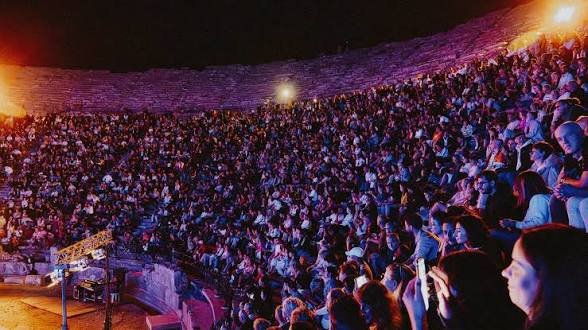
Viewers and cultural organisers at screenings described crowded rooms for several sessions, and many screenings were followed by Q and A sessions or panel discussions when film authors were available. Organisers say the program will remain part of the Dovzhenko Centre’s rotating activities, and that prints and digital packages will be circulated to partner cinemas and regional cultural centres through October.
Several films in the selection have already received festival recognition internationally and domestically earlier this year, and programmers expect the collection to be submitted to additional festivals in the coming months. The program’s regional dates indicate the organisers aim to keep the films accessible beyond the capital, bringing them to audiences in Dnipro, Zaporizhzhia, Lviv and other Ukrainian cultural venues during October.
Context for readers outside Ukraine
Short film almanacs such as Ukrainian New Wave offer a concentrated snapshot of a country’s emerging cinematic voices. For international programmers and film professionals, these packages are efficient ways to discover work that might otherwise circulate only through online platforms. For Ukrainians, seeing local stories in cinemas reaffirms a public cultural life that continues alongside the challenges of sustained conflict and social upheaval.
The Dovzhenko Centre describes the program as searching for answers to the question of how to love and build new ties in a society shaped by wartime realities. That framing guided the selection this year, and the films collectively map how personal relationships and community formations persist, reshape and sometimes fracture under pressure.
After October, organisers plan to circulate the program to regional partners and festival curators, keeping the films in circulation and increasing opportunities for the directors to reach both national and international audiences.