
PAMPLONA, Spain , Spanish National Police said on Wednesday they have dismantled an organised group that used fraudulent rental adverts to swindle prospective tenants across Navarra and other regions. The investigation, which law enforcement sources say focused on listings in the Iturrama neighbourhood and other high demand areas, produced nine arrests, dozens of formal complaints and a coordinated set of searches in northern Spain.
How the scheme worked
Authorities described a familiar pattern that exploited the tight rental market. The suspects published attractive offers at well below market rates to generate a rush of interest. Once a victim expressed intent, an intermediary asked for an initial payment to reserve the property, typically a few hundred euros, citing pressure from other applicants. After the money was transferred, contact was cut and the promised lease never materialised.
Police investigators told local media that the group maintained a repository of identity documents and falsified paperwork to give the transactions the appearance of legitimacy. In some cases, the alleged perpetrators provided fabricated contracts or copies of official identity documents to support false claims of ownership, increasing the victims confidence that the listing was genuine.
Scope and immediate impact
The local press reported 19 complaints linked specifically to Pamplona, and investigators say the same network generated around 80 reports across Spain. Victims described losing deposits and, in several cases, savings that had been set aside to secure housing amid a market with limited supply and rising prices. Police have characterised the operation as organised fraud and have also filed charges for falsification of documents and membership of a criminal organisation.
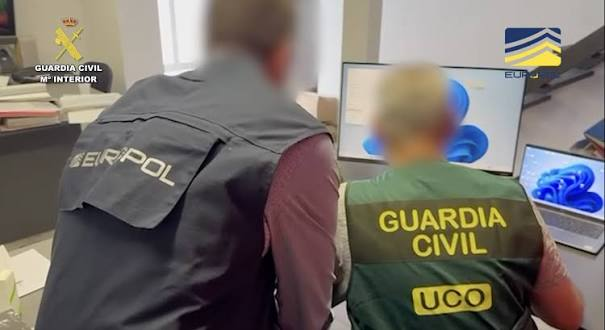
Investigators carried out coordinated actions on October 14 that included arrests and searches in locations in Navarra and Asturias. During the raids, officers seized electronic devices, documentation and records of financial transactions that are expected to help map the network and identify additional victims.
Why this continues to be a widespread problem
Law enforcement and housing experts say the growth of such scams is closely linked to a persistent mismatch between housing supply and demand. When affordable offers are scarce, consumers are more likely to overlook warning signs in the hope of securing a place. Criminals capitalise on that urgency by posting unusually cheap listings and using rapid payment methods that leave little time for verification.
Authorities warn that scammers commonly ask for payment via instant transfer services or bank accounts that cannot be traced easily to an individual, and they often use identities stolen from others to create a veneer of trust. Police statements emphasise that a legitimate landlord should allow prospective tenants to view a property, provide verifiable identification and agree to a formal contract before any deposit is paid.
Practical advice for renters
- Do not pay any deposit without a signed contract and a verified owner identity.
- Arrange an in person viewing or a reliable live virtual tour that shows the full property and not only staged photographs.
- Check property history on government or trusted registry services when possible, and confirm the owner through public land registries when doubts arise.
- Prefer traceable payment methods linked to the owner name, and avoid instant transfers to unknown accounts requested under time pressure.
- Report suspicious adverts and any attempted fraud promptly to the National Police or Guardia Civil and preserve all communications and payment records.
What happens next
Investigators say they will use the records seized during the searches to trace accounts, payments and document forgeries. Prosecutors will assess the evidence to determine whether additional charges are appropriate and whether more arrests are warranted. Police also indicated they are attempting to identify and contact other victims whose complaints have not yet been formally lodged.
Local consumer groups and housing advocates urged urgent attention to the structural causes that make renters vulnerable. They called for tighter controls on online classified platforms and quicker mechanisms to remove fraudulent ads, along with expanded public information campaigns to warn apartment hunters about common red flags.
For many victims the financial and emotional toll can be substantial. Beyond the immediate loss of money, being scammed can set back rental seekers at a time when alternatives are limited and competition is high. Police and civic organisations say preventing these schemes will require both continued investigative pressure and greater public awareness about how the frauds operate.
Authorities in Navarra are continuing their inquiries and have asked anyone who believes they were targeted by the scheme to contact the National Police and to file a formal complaint. The arrests and seizures mark a significant disruption to the network, but investigators warned that similar operations can reappear quickly unless both platforms and users take more precautions.