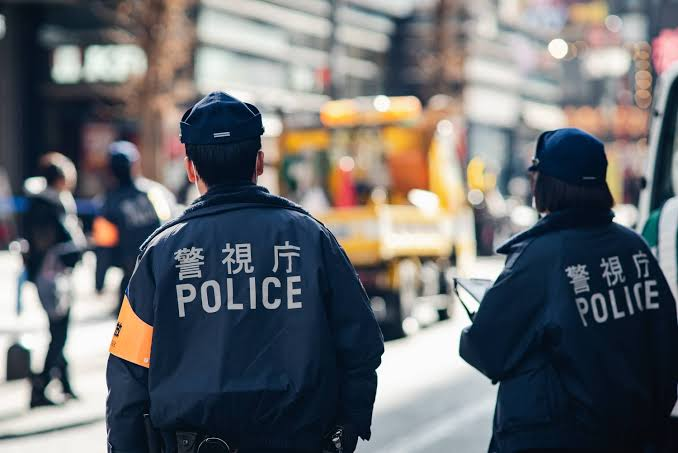
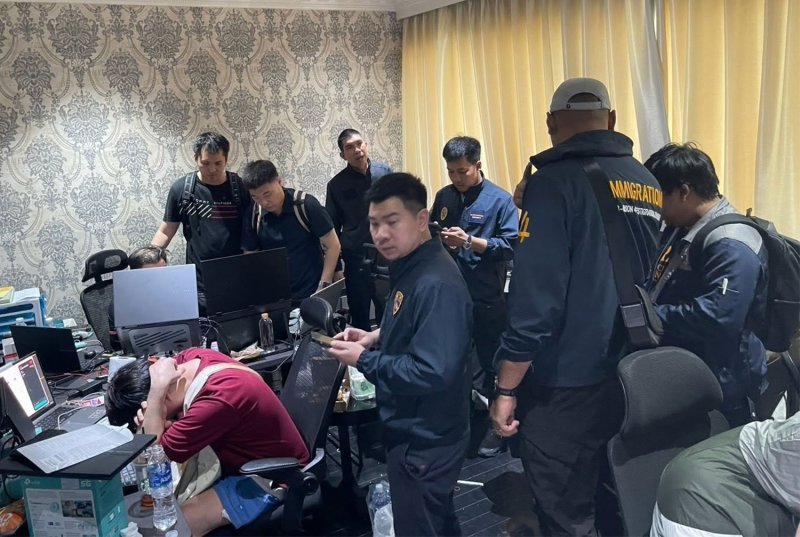
Thai immigration officers, assisted by South Korean police and consular staff, conducted coordinated raids in Bangkok on October 19 that resulted in the arrest of 10 suspects, including multiple South Korean nationals, accused of operating call centre and online scam networks feeding on victims in South Korea. Thai authorities said the operation followed investigations into a string of complaints from South Korean victims and the arrest in Thailand last month of a South Korean national who was wanted in Seoul.
What happened in Bangkok
Police and immigration officers executed multiple searches at properties used as alleged scam hubs in Bangkok, detaining eight South Koreans and two Chinese nationals, according to Thai law enforcement briefings provided to reporters. Investigators confiscated dozens of electronic devices, including laptops, mobile phones and other equipment that authorities say were used to orchestrate phishing, voice phishing and investment fraud schemes aimed at South Korean residents.
Thai Immigration Bureau officials said the raids were triggered by a cross border probe after Seoul submitted information related to suspects and alleged victims. The operation was led by the Immigration Bureau with support from the South Korean Embassy and South Korea's police liaison in Thailand. Authorities announced that the suspects have had their permission to stay revoked and will be held pending deportation and transfer to South Korean investigators for criminal proceedings.
Scale and alleged impact
Thai press reporting indicates the raids uncovered materials suggesting the network targeted South Korean victims and caused losses measured in the tens to hundreds of millions of baht, equivalent to several hundred million Korean won. Local officers said seized items included transaction records, messaging logs and devices used to simulate official communications. Officials have not released the names of the detained suspects or specific counts of victims while investigations continue.
South Korea has in recent months intensified efforts to dismantle overseas scam operations that exploit victims at home while hiding behind bases in Southeast Asia. A number of high profile joint operations earlier this year and in 2025 led to lengthy investigations, asset freezes and repatriations of suspected offenders. Investigators in Seoul have credited international cooperation with helping to trace stolen funds and obtain evidence stored on devices seized during foreign raids.
Why the case matters
Online fraud, voice phishing and romance or investment scams remain a major law enforcement priority in South Korea. The crimes inflict direct financial harm on victims, and they frequently involve transnational criminal logistics, such as money laundering through regional exchanges and nominee accounts. The arrests in Bangkok show authorities are continuing to push beyond domestic investigations to target networks operating abroad that rely on local facilitators and false identities.
For victims, cooperation between Thai and South Korean authorities can accelerate the recovery of frozen assets and strengthen prosecution prospects. For regional law enforcement, the operation highlights the practical challenges of policing digitally enabled fraud, including tracking encrypted communications, negotiating evidence transfers and coordinating deportation or extradition where appropriate.
Official next steps and wider context
Thai officials said they will hold the suspects for immigration violations and collate evidence to hand to South Korean counterparts. Seoul prosecutors and police units specialising in cyber and financial crime are expected to seek formal transfer of the suspects and to add charges under South Korean law. Thai authorities also said the cases will be used to update watchlists and to blacklist the arrested individuals from future entry to Thailand.
South Korea has, since 2024, pursued a string of joint operations across Southeast Asia to dismantle call centre style scam operations. Authorities in Seoul have frequently requested rapid information sharing with local policing partners, and the October 19 raids appear to be a continuation of those diplomatic and law enforcement ties. The combined approach includes pressuring local hosting services to close scam websites, pressing cryptocurrency exchanges for transaction records and coordinating to freeze suspect funds.
Advice for the public
Officials warn South Korean residents to remain vigilant against unsolicited calls or messages asking for personal information, remote access to devices or up front deposit payments. Touchpoints for victims include reporting fraud to local police and using South Korea’s dedicated reporting channels for financial and cybercrime. Authorities continue to urge banks, payment services and crypto platforms to monitor suspicious transfers and to cooperate with international probes.
Investigations into the Bangkok arrests are ongoing, and both Thai and South Korean authorities said they will provide further updates as evidence is processed and legal steps proceed.