Utrecht police announced that a 16 year old suspect has been linked to a recent case of telephone fraud in which an elderly resident was tricked by callers posing as criminal investigators, and the stolen bank card was subsequently used multiple times at cash machines in the city. The suspect was recognised after images from cash machines and public-camera footage were shared by police and then detained in Rotterdam, police said.
How the scam worked
According to the police account, the incident began on the evening of 17 September when an elderly Utrecht resident received a phone call from someone claiming to be a member of the research unit. The caller falsely told the victim there was a problem with the victim’s bank card, and that a colleague would come by to collect the card to "secure" it as part of an investigation.
Shortly afterwards a woman arrived at the home, presented herself as a police officer and left with the victim’s bank card and some jewellery. The card was then used repeatedly at cash machines in Utrecht, police said.
Identification and arrest
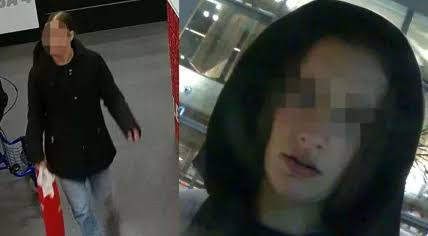
Utrecht investigators released blurred camera images showing the person who withdrew money with the stolen card. The images were shown by the regional police programme and posted on social channels to help identify the person. Police said colleagues in Rotterdam recognised the suspect and arrested her there on 13 October. Police later removed the images from public channels once the person was located.
Police did not release the suspect’s name because she is a minor. Authorities said the recognition and follow up led to the suspect being taken into custody and that the case is being investigated further.
Pattern fits long running ‘nepagent’ and bank helpdesk fraud
The Utrecht case follows a long series of similar schemes across the Netherlands in which criminals call older people claiming to be bank or police staff, then either collect bank cards or trick victims into surrendering PIN codes. In many cases the callers use spoofed telephone numbers and scripted pretexts to establish trust, then send a person to the victim’s home to remove cards and valuables.
Dutch police and fraud watch organisations have repeatedly warned older citizens and carers about these “fake officer” and bank helpdesk fraud methods, urging people never to hand over bank cards, PINs or valuables to someone who comes to their door and to verify any call by independently contacting the bank or the emergency services number.
Practical consequences and investigation focus
Prosecutors and investigators said the immediate priority is to determine the suspect’s role across similar reports, and whether the person arrested acted alone or was part of a broader group that organises calls and the physical collection of cards and valuables. Investigators will also seek to recover stolen funds and jewellery where possible, and to connect CCTV and transaction records to other pending cases.
For victims this kind of fraud has large non financial costs. Police emphasise that older victims often experience loss of security and trust after being targeted and that reporting helps investigators identify networks and patterns.
What police advise the public
- Do not hand your bank card or PIN to anyone who comes to your home unexpectedly, even if the person claims to be police or from your bank.
- If you receive a call claiming to be from the police or bank, hang up and call the organisation back using a telephone number you have independently verified.
- If someone is at your door claiming to be an officer and you are unsure, call the emergency number 112 or the non urgent police number 0900 8844 to check identity.
- Report suspicious calls or doorstep visits to the police and to your bank immediately so cards can be blocked.
Why this matters
These scams target older, often isolated people and continue to produce regular losses across the country. The Utrecht arrest shows how combining public CCTV images and transaction data with interforce recognition and local policing can lead to rapid identification, even when perpetrators operate across municipal boundaries. Authorities said the arrest in Rotterdam underlines the cross regional nature of the offence and the importance of sharing information between police teams.
The investigation remains open. Police asked anyone with information about similar incidents or who recognises images previously published by the force to contact their local police team or the national tip line.