Early-Morning Raids; Tensions Boil Over in Two Cities
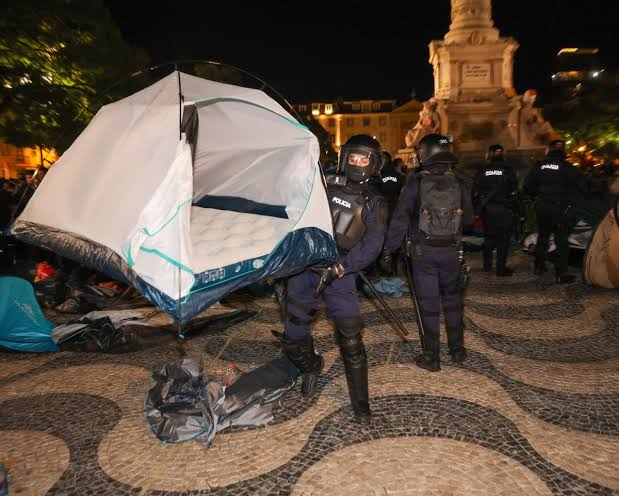
In the early hours of Sunday, October 25, 2026, Portuguese security forces broke up protest encampments in central Lisbon and Porto, ending weeks of high-profile demonstrations over housing affordability and rental prices. Officers used force to clear tents and barricades erected by activists; authorities reported multiple arrests while local media and protest groups said dozens were wounded as officers pushed into the camps. The operations marked the latest escalation in a nationwide wave of housing protests that began earlier this autumn.
Numbers and Injuries; Conflicting Tallies
Official figures released by the Polícia de Segurança Pública on the day of the raid stated that 31 people were detained for disobedience in the coordinated clearances across Lisbon and Porto. Local press outlets and protest organisers reported differing injury counts: some Portuguese media collected police statements indicating around 11 people treated for injuries, while other sources, including independent observers and resident reporters, put the number of those hurt at higher levels. Photographs and video from the scenes show demonstrators and officers in scuffles, with some participants requiring medical attention.
What Protesters Say; Demands and Momentum
Organisers of the encampments have framed their actions as part of a broader fight for the right to housing in a country where property prices and rents have surged. Activists said the tent camps were intended to press the government to introduce rent controls, curb speculative investment, and expand affordable social housing stock. Many protesters emphasized that attempts at negotiation had been limited and that the authorities moved to clear camps without a credible temporary rehousing plan.
Government and Police Statements; Order and Enforcement
Officials defended the clearance as a necessary enforcement of public order and sanitation standards in prime urban spaces. Police spokespeople told reporters they had acted lawfully to dismantle unauthorised encampments and to maintain public safety. Authorities also signalled their intention to press charges in cases of obstruction and disobedience, and to follow up on any allegations of assaults against police personnel.
City Life Disrupted; Local Reactions
The raids took place in prominent public squares and thoroughfares, temporarily disrupting traffic and drawing crowds of onlookers and counter-demonstrators. In Lisbon’s Rossio square and Porto’s central avenues, the visible presence of uniformed officers and ambulances underscored the high stakes of the confrontation. Small business owners and residents in affected neighborhoods reported mixed reactions; some welcomed the restoration of order, others expressed sympathy for protesters and frustration at the perceived lack of long-term policy solutions.
Context; A Wider European Wave
The Portuguese actions come amid larger protest waves across parts of Europe this month, prompted by a mixture of rising living costs, housing shortages, and disagreements over public spending. In Portugal, recent months have seen rapid increases in house prices and rents in major urban centers, according to local statistics and several reporting outlets, which supporters of the protests cite as evidence of systemic failings that require immediate policy remedies.
Next Steps; Courts, Courts Dates, and Rallies
Organisers vowed to continue mobilising, with follow-up rallies already planned and legal teams preparing to challenge police accounts where they say excessive force was used. Detainees were reported to be processed under disobedience charges; some face court appearances in the coming days. Protest leaders have said they will intensify pressure through mass demonstrations and by seeking alliances with unions and student groups to broaden the movement’s reach.
What to Watch For; Signals for Government Action
Key indicators to watch include whether the government offers concrete policy proposals on rent control or social housing investment, whether municipal administrations move to provide immediate support to evicted campers, and whether future protests escalate or subside. The reaction of Lisbon and Porto municipal authorities and any parliamentary response will be pivotal in determining whether protests shift from street encampments to formal negotiations.
For now, the clearances have exposed the depth of public frustration over housing in Portugal and underscored the challenge for policymakers balancing public order, urban space management, and social demands for change. The country remains on edge as the movement adapts following the disruption of its most visible camps.