Warsaw; October 2026. Poland on Thursday denied reports that it had suspended military assistance to Ukraine, while tens of thousands of citizens gathered across the country the same evening to press the government to liberalize Poland’s restrictive abortion laws. The two parallel stories illuminate the balancing act facing Prime Minister Donald Tusk’s government as it manages regional security commitments and growing domestic discontent.
Official denials and the spark behind them
Reports published earlier in the week by Ukrainian outlets suggested that Warsaw had halted a planned arms shipment after a Lviv regional council voted to declare 2027 as the Year of the Ukrainian Insurgent Army and to honor Roman Shukhevych, a move that reawakened painful historical tensions between Poland and Ukraine. The Polish Defence Ministry responded promptly, saying those reports were not true and that assistance to Kyiv had not been suspended.
The ministry’s statement came after a swirl of media coverage and social media claims that a pause had been imposed as a protest against the Lviv council’s commemoration. Polish officials characterized the reports as inaccurate and warned that premature or incorrect assertions risked damaging an already sensitive bilateral relationship with Kyiv.
Capacity questions: air defenses and matériel
At the same time, public comments by senior Polish officials have drawn attention to Warsaw’s finite military stockpiles. Polish Foreign Minister Radosław Sikorski told reporters this month that Poland currently lacked additional Patriot surface to air missile batteries to offer Kyiv, a reminder of the real constraints allies face when meeting surging battlefield needs.
Those capacity concerns add texture to the denial about a formal suspension. Even when a government insists that a program remains active, constraints in equipment and munitions can create gaps in what can be delivered and when. Polish officials have been urging partners across Europe and North America to fill those shortfalls so Kyiv can sustain air defenses through the winter months.
Street-level politics: abortion demonstrations return
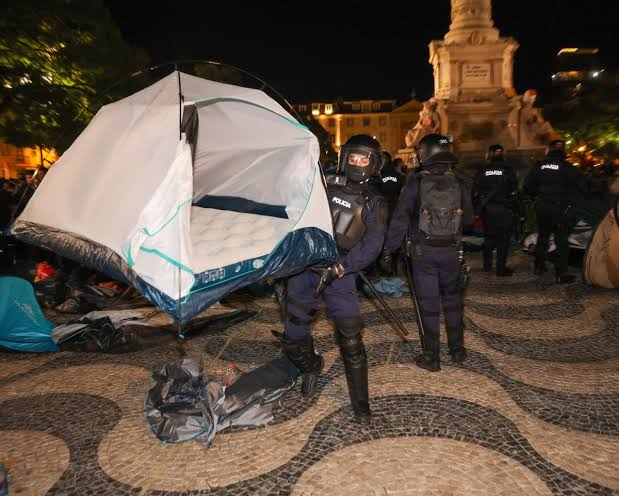
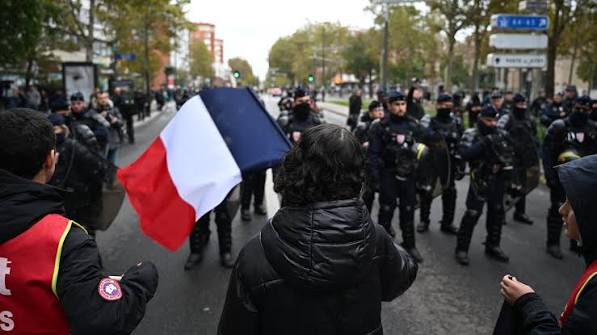
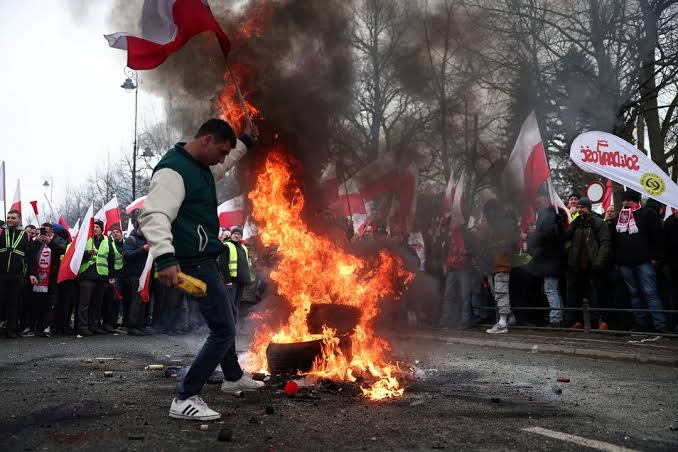
Meanwhile, thousands of protesters marched in cities from Warsaw to Łódź and smaller towns on Thursday night, demanding that the government make good on campaign promises to ease Poland’s near-total ban on abortion. The movement revived familiar rhythms: organized local groups, coordinated social media calls to action, and visible frustration with the pace of reform.
Activists told reporters they felt betrayed by the Tusk administration, arguing that promises of liberalization have not translated into clear, accessible care for women who need it. The demonstrators included long-time campaigners and younger participants who have joined in larger numbers in recent years, signaling that the issue remains a potent force in Poland’s civic life.
Political implications and the international angle
The juxtaposition of a diplomatic flap with domestic unrest complicates Warsaw’s messaging toward partners in Brussels and Kyiv. Poland remains one of Ukraine’s most steadfast backers politically and militarily, but episodes that suggest tensions between historical memory and current strategic cooperation can be exploited by adversaries or lead to friction among allies.
Polish leaders have sought to reassure international partners that support for Ukraine remains unwavering. At the same time, Warsaw’s policy choices are increasingly subject to domestic scrutiny, and the government will need to thread a needle: maintain robust cooperation with NATO and Kyiv while responding credibly to voters on questions of social policy.
What to watch next
- Official follow-ups from the Polish Defence Ministry and the Ukrainian government clarifying the status and timeline of aid packages.
- Proposed bills or parliamentary action on abortion reform, including any signals of compromise or veto threats from the presidency.
- Statements from NATO and allied capitals about resupplying air-defence systems and other critical equipment to Poland and directly to Ukraine.
As Warsaw navigates both external responsibilities and home-grown political pressure, the country’s choices over the coming weeks will offer a clearer sense of how Poland intends to reconcile the two.
Reporting synthesized from official statements and recent coverage by Polish and international news outlets.