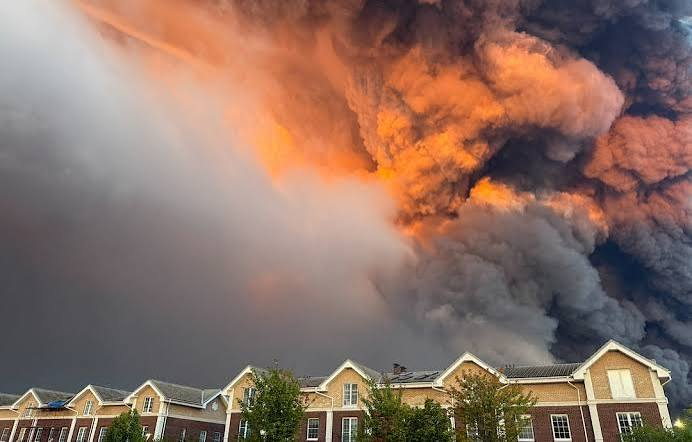
On 25 October 2026, multiple real‑time intelligence and industry alert services reported that Ukrainian forces had struck at least two major industrial facilities inside Russia, the AVISMA titanium‑magnesium plant in Berezniki, Perm Krai, and the Tolyattikauchuk petrochemical complex in the Samara region. The alerts say explosions were observed at AVISMA, a long‑standing supplier of titanium sponge and metallurgical feedstocks for aerospace and defence goods, and that key MTBE synthesis units at the Samara petrochemical site were damaged.
What was reported and when
OSINT and commercial alert provider HamerIntel published time‑stamped incident alerts on 25 October 2026 describing explosions at the AVISMA plant in Berezniki and a separate overnight strike on the Tolyattikauchuk petrochemical complex in Samara. The AVISMA alert described the plant as a critical upstream supplier of titanium materials for aircraft, engines and missiles; the Samara alert identified damaged MTBE (methyl tert‑butyl ether) synthesis units used to produce gasoline additives. Both alerts were published on 25 October 2026 and cite local reports and open‑source traffic and imagery feeds as the basis for their assessments.
Evidence, damage and uncertainty
At the time of publication, the reports provide initial damage indicators, explosions at AVISMA and damage to MTBE units at Tolyattikauchuk, but do not include independent official confirmation from Russian government agencies or the plant owners, nor a full on‑site damage assessment. The alerts note that the extent of physical damage, whether production has been fully or partially halted, and casualty figures (if any) remain unconfirmed.
AVISMA supplies feedstock used across aerospace and defence supply chains. Disruption at such a node could tighten the global titanium sponge market and raise material‑cost risk for engine and airframe producers, though the alerts stress that full commodity‑market effects will depend on outage duration and the ability of alternate producers to fill the gap.
Why it matters
Targeting industrial capacity inside Russia marks an escalation of strikes on rear‑area infrastructure that has been reported throughout 2026. A sustained loss of AVISMA production would have outsized effects on titanium availability: titanium sponge and primary titanium metal are crucial inputs for civil and military aerospace production and cannot be quickly substituted in the short term. Damage to petrochemical MTBE units tightens local fuel additive production and could have downstream implications for refineries and transport fuels if outages are prolonged.
Beyond direct supply effects, strikes on industrial assets add pressure to already strained logistics and reconstruction calculations and will influence Western policymakers’ assessments of battlefield momentum and escalation risk. Markets that track defence‑sensitive commodities and certain industrial metals may move on confirmed production outages; at present, the alerts treat price effects as a near‑term risk rather than a confirmed market shock.
Confirmed next steps and outstanding questions
- Official confirmation: No Russian federal ministry statement or plant operator press release confirming the incidents was available in the initial alerts; verification from authorities or independent on‑site reporting will be necessary to confirm casualties, damage extent and outage duration.
- Industry monitoring: Steel, titanium and petrochemical market monitors and major aerospace suppliers will be watching for supply interruptions and communicating contingency plans if AVISMA output is affected for an extended period.
- Diplomatic and military implications: The strikes are likely to be raised in diplomatic channels and could prompt operational changes in air‑defence deployments or counter‑strike posturing depending on Russian response.
Because the situation is developing and initial reporting is based on OSINT and alert feeds, the details above are provisional. The accounts referenced here were published on 25 October 2026 and identify the events as having occurred on that date; further authoritative confirmation from company statements, local authorities or independent on‑the‑ground reporting has not been released at the time this article was prepared.