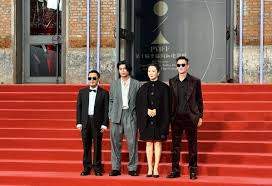
Pingyao festival closes today as filmmakers, critics and audiences converge
The 10th Pingyao Crouching Tiger Hidden Dragon International Film Festival closes on September 30, 2026, bringing a week of screenings, panels and industry activity to the ancient walled city in Shanxi province. Over the past seven days the compact festival staged premieres and retrospectives, hosted debates about artificial intelligence in film production, and helped surface new projects from both established and emerging Chinese filmmakers.
Programming that mixed local tradition and global reach
This year’s program continued Pingyao’s recent emphasis on supporting young directors and Chinese language cinema, while also offering a cross section of international work. The Hidden Dragons competition for Chinese language films attracted attention with several world and Asian premieres, while the festival’s broader slots presented films that blended local cultural themes with genre and formal experimentation.
Pingyao’s small-screening footprint and immersive setting have made it a favored stop for filmmakers who want industry-facing exposure without the scale and pressure of larger festivals. Attendees this week included producers, sales agents and critics who said the festival remains a useful place to find new talent and to test responses to films that might later travel to bigger markets.
AI in film remained a central talking point
Conversations about artificial intelligence emerged repeatedly in panels and jury discussions. Several filmmakers on site framed AI as a subject for on-screen stories, while at least one prominent filmmaker emphasized a line between narrative uses of AI and the ethics of using AI tools in creative labor. The debate reflected a larger industry reckoning across East Asia about how generative tools change authorship, labor and visual practice.
For programmers and producers at Pingyao the practical question was how to balance the creative potential of new tools with protecting human craft and employment in production departments. Industry participants described an uneasy truce in which AI may be explored as a storytelling element, while many directors remain cautious about using the technologies in the filmmaking process.
New projects and premieres attracted attention
One of the week’s headlines was the presence of prominent mainland and regional filmmakers who used Pingyao to show new work or to talk about upcoming projects. Among them, a noted mainland director announced plans for a road movie set in western China, a project the director said will be shot in early winter and will follow a character’s journey from the desert interior toward the eastern coast. Festival sources said casting and location scouting were already under way.
Other premieres in the Hidden Dragons section showcased a mix of formal experimentation, including an animated feature from a first time director and a number of low budget, high-concept dramas. For Chinese-language films seeking distribution, the festival’s concentrated international delegation offered a useful marketplace moment for sales conversations that could help secure theatrical or streaming deals.
Why Pingyao matters to Chinese cinema now
Pingyao has matured into one of China’s important midsize festivals because it occupies a niche between arthouse and industry commerce. Its ancient city setting and focus on younger filmmakers have made it a place where creative risk taking can be tested and where debates about the future of the industry, such as the use of AI, are aired in public.
For China’s film community the festival’s timing, at the tail end of the summer releases and just before the national holiday season, gives distributors and producers a chance to recalibrate release strategies. Filmmakers and representatives told reporters that the contacts made and the script level feedback received in Pingyao can materially influence a film’s path to market.
Looking ahead
As the 10th edition of Pingyao closes today, festival organizers and attendees will take stock of the week’s screenings and industry deals. The conversations about AI and the new film announcements underline a broader moment for Chinese cinema, as creators balance local storytelling and global festival ambitions while navigating rapid technological change. For audiences in China and abroad, Pingyao’s year by year growth suggests the festival will continue to be a bellwether for the country’s shifting cinematic priorities.
Because the festival ends today, distributors and critics will spend the coming days publishing reviews and deal updates, and those developments are likely to determine which titles from Pingyao move next to larger international festivals and commercial release schedules.