Beijing, October 21, 2026 , The People’s Bank of China has begun a series of daily overnight reverse repurchase operations that will run through November 2, using fixed-rate, quantity-based tenders and placing a daily cap of 1 trillion yuan on injections. The central bank carried out an 800 billion yuan overnight injection on October 21, while leaving the usual seven day reverse repo at zero for the day.
What the operation is and why it matters
Overnight reverse repos are an open market tool by which the central bank buys securities with an agreement to sell them back the next day, supplying short term cash to the banking system. By scheduling the operation every business day for nine straight working days, the PBOC is using the instrument in a sustained way over a period that includes the month end. The pattern and the size of the cap indicate a deliberate attempt to smooth short term funding strains that typically concentrate around tax and settlement deadlines.
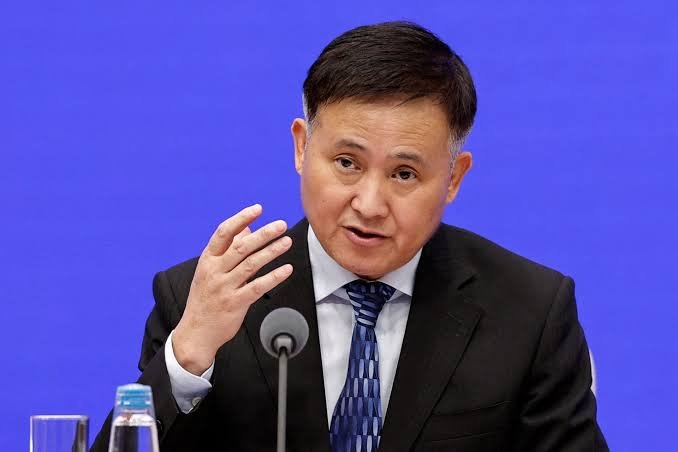
The timing of the announcement follows comments by PBOC Governor Pan Gongsheng on October 19, when he said the central bank would study making the overnight reverse repo rate the main policy rate. That shift would reorient the policy framework toward a short tenor that better reflects the daily funding conditions banks face, rather than the longer dated benchmarks used previously.
Immediate market effects
Money market traders and domestic bond desks treat the overnight rate as the most sensitive indicator of short term liquidity. A predictable, accessible overnight operation gives the PBOC greater control over the interbank overnight repo rate, sometimes called DR001, which already accounts for the bulk of intraday trading in China’s funding market. Market participants said the daily facility should reduce spikes in short term rates and make liquidity management more transparent.
On the first day of the programme, the PBOC injected 800 billion yuan, while reporting zero allocation for the standard seven day reverse repo. That combination signals preference for shorter dated support over the previous routine of seven day operations when authorities want to fine tune cash levels without altering medium tenor benchmarks.
Why Beijing may be changing the anchor
China’s economic recovery has looked uneven, with exports strong but domestic demand and investment lagging. Policymakers face the dual task of keeping borrowing costs supportive while avoiding excessive volatility in bond yields and the currency. Shifting the operational anchor to an overnight rate helps the central bank respond quickly to day to day funding shocks, improves transmission of its policy intentions into market rates, and reduces reliance on longer dated operations that can send different signals to banks and investors.
Analysts note that overnight operations are already a dominant part of daily money market turnover, and formalising the overnight rate as the main policy signal would bring China more in line with common central bank practice elsewhere. It could also change how banks, nonbank financial institutions, and foreign investors manage short term treasury and repo positions in the interbank market.
Risks and open questions
Making an overnight rate the principal policy signal improves flexibility, but it also raises new challenges. Overnight rates are volatile by construction, and without careful communication they could be misread by markets as frequent shifts in policy stance. The PBOC must also manage expectations about the duration and conditions of the tool. The current announcement limits the operation to October 21 through November 2 and caps daily injections, which suggests the programme is conditional rather than permanent for now.
Another question is how this operational change will affect the market for longer dated assets. If the overnight rate becomes the policy anchor, the linkage between that rate and benchmark yields such as the seven day reverse repo and the loan prime rate will need active management to avoid confusing signals for lenders and borrowers. The central bank has indicated it will coordinate with other financial authorities and widen access to some facilities, but details remain to be published.
What readers should watch next
- Daily open market operation results, which will show actual daily injection amounts and the interest terms used.
- Comments or guidance from the PBOC on whether the measure will be extended or become a regular feature of its toolkit after November 2.
- Movements in the interbank overnight repo rate, the seven day repo rate, and onshore bond yields, which will show whether transmission is tightening or loosening.
- Any further steps to broaden eligible counterparties, which would change how nonbank institutions access short term cash support.
For businesses and money market investors, the PBOC move signals a preference for finer, more frequent liquidity management rather than broad, longer dated stimulus. That has immediate implications for short term funding costs, intraday balance sheet management at banks, and the pricing of money market products in China.
As the nine day window progresses, the operation results will provide the clearest signal of whether this is a temporary technical measure around month end or the first step in a longer term shift toward an overnight policy anchor.