What happened
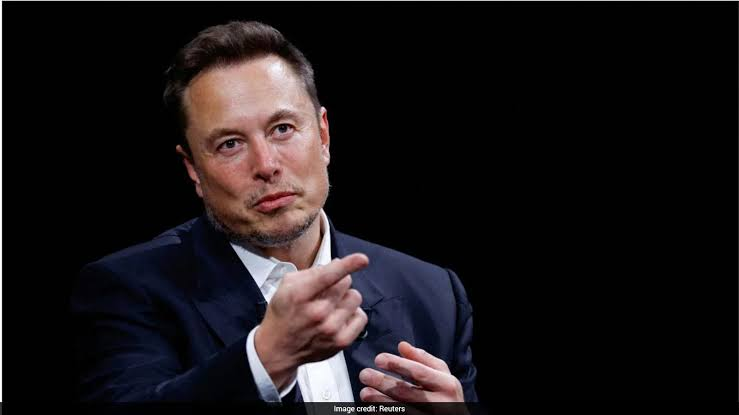
Elon Musk posted on X that he will give one SpaceX share to "every kid in America" next year, calling the donation "the first of many." The pledge, made publicly on October 19 and widely reported and amplified by global outlets on October 20, could amount to more than $10 billion if applied to the roughly 70 to 73 million Americans under age 18 and using current SpaceX share prices. Musk offered no operational details in his announcement, leaving questions about timing, eligibility, transfer mechanics and legal or tax consequences unresolved.
How big is the pledge
Using recently reported market prices for SpaceX equity units, one share would currently be worth in the low to mid triple digits. Multiplying that price by the estimated number of children in the United States produces an estimated aggregate value in the range of about $10 billion to $11 billion. That size makes the pledge a material corporate action from a shareholder and founder perspective, but the announcement so far is an intention rather than a legally binding transaction or a corporate resolution by SpaceX.
Why it matters
The pledge arrives amid a broader public conversation about how wealth generated by artificial intelligence and related tech should be shared with society. Over the weekend, Anthropic, the AI developer, said it would dedicate a portion of its shares to a public benefit fund. Musk directly responded to that idea, advocating for direct share distributions to the public instead of centralized funds. The competing approaches illustrate a live policy and ethical debate over governance, transparency and the best way to convert private equity into broadly distributed public benefits.
Practical hurdles and open questions
- Distribution mechanism: Musk has not explained how shares would be transferred. Corporate and securities law typically require clear records of ownership and may restrict transfers of large blocks of privately held stock without board approval, regulatory filings or shareholder actions.
- Eligibility and custody: Children are minors and cannot hold marketable securities in their own names in many jurisdictions. A workable program needs a custodial structure, identification and verification systems, and guardrails for guardianship or trusteeship.
- Share availability and dilution: How many shares Musk intends to gift and whether those shares would come from his personal holdings, newly issued stock, or secondary transactions could affect SpaceX ownership, control and valuation. Large transfers could prompt corporate governance scrutiny or require board signoff.
- Tax implications: Donations of stock carry tax consequences for donor, recipient and potentially the platform used for distribution. The timing and valuation methodology used at transfer will shape tax outcomes for families and for Musk as the donor.
- Market impact and lockups: Broad distributions of founder-held equity could raise questions about resale restrictions, vesting, or lockup periods imposed to limit market disruption.
Context: other actors and the policy backdrop
Industry leaders and governments are increasingly focused on how to channel technology wealth for public benefit. Anthropic committed a slice of its equity to a fund it said will support social causes, offering a centralized model. Separately, the U.S. federal government has promoted savings and investment vehicles for children under recent policy initiatives, which some outlets have referenced in coverage of Musk's pledge. Earlier in 2026, other SpaceX executives had announced smaller equity donations aimed at specific children’s savings programs, indicating there is precedent for equity donations tied to public initiatives, though not at the scale Musk has proposed.
What to watch next
Readers and market participants should look for several concrete steps that would transform this pledge from a public comment into an executable program. The most important signs are a formal statement or filing from SpaceX or from Musk that specifies the source of the shares, a legal framework for transfers, tax guidance from the donor or recipients, and a partnership with custodial platforms or government programs to hold and administer assets for minors. Any Securities and Exchange Commission filings or SpaceX board disclosures would provide the strongest confirmation that the plan is moving to execution.
Bottom line
The pledge to give a SpaceX share to every American child is striking in scale and in its rhetorical appeal, but at present it is a public promise without the accompanying legal, administrative and fiscal details that would be necessary to deliver on it. If implemented, the idea would reshape ownership patterns and pose novel operational challenges for private markets, regulatory authorities and families. For now, the announcement has immediate symbolic impact and is likely to spur policy and public debate. Implementation, however, will determine whether it is a one time headline or a consequential redistribution of private equity to the public.