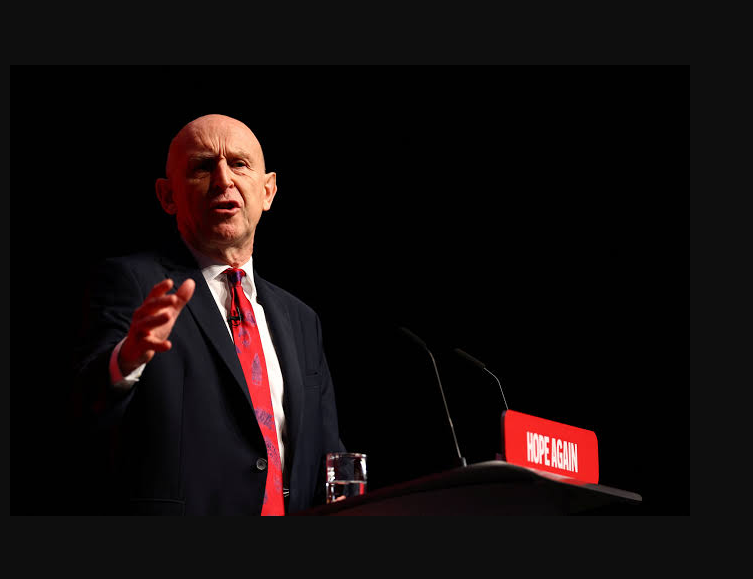
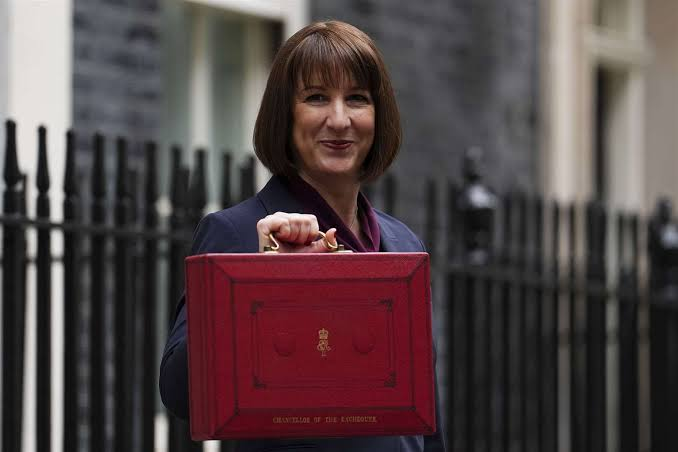
The Chancellor of the Exchequer, John Healey, will deliver the United Kingdom Autumn Budget on Wednesday October 28, 2026, the Treasury and parliamentary sources confirm. The date fixes the timetable for what will be Healey’s first full budget statement since taking office, and sets the scene for a high stakes fiscal announcement that the government says will aim to couple fiscal responsibility with a programme of investment outside London.
What the timing means
By confirming the October 28 date, ministers and Whitehall departments now face a compressed window to finalise both policy choices and supporting numbers ahead of a simultaneous publication of the Office for Budget Responsibility economic and fiscal forecast. The Chancellor has previously said the Budget will be accompanied by an OBR forecast, a standard practice that is intended to provide independent verification of the government’s fiscal plans.
City and tax advisory groups already regard the event as the major economic moment of the autumn. Business groups and professional services firms have been publishing pre-Budget briefings and tax-watch predictions in recent weeks, flagging a range of possible measures that could be used to help meet fiscal targets while funding priority programmes.
Government priorities: growth in every postcode
The government has framed this Budget as one that will “move money and power out of Westminster, into every postcode in Britain,” language used by the Chancellor in public remarks earlier in the year. Officials say that emphasis on regional investment will shape both capital spending announcements and the allocations in departmental spending settlements that the Treasury will present to Parliament.
Practical measures expected to be on the table include targeted infrastructure commitments for devolved regions, additional funding for local economic growth and policies intended to boost investment in lagging parts of the country. Observers note this approach is politically important for the current administration and also aligns with long standing calls from business groups for a clearer plan to raise productivity outside the capital.
Revenue options and constraints
On the revenue side, both the Treasury and independent analysts emphasise that the government’s public commitments create constraints. The administration has restated pledges not to raise headline rates of VAT, national insurance contributions or the basic, higher and additional income tax rates. With those big levers off the table, attention has shifted to more targeted or less-visible measures.
Analysts from major accountancy and advisory firms say likely options include adjustments to wealth and property taxes, changes to capital gains tax alignment with income tax, measures affecting pensions and dividend taxation and further sector specific levies or windfall-style interventions. These measures can raise sums without moving headline rates, but they carry distributional and behavioural consequences that will be scrutinised by business groups and investors.
Business reaction and marketplace implications
Business lobby groups and tax advisers are monitoring several strands: first, any changes to capital allowances, investment incentives and business reliefs that affect private investment decisions; second, proposals that could reshape asset allocation for major investors, including pensions and sovereign wealth funds; and third, regional spending promises that could alter planning and procurement flows for construction and infrastructure contractors.
Financial markets typically price in some uncertainty ahead of a Budget, and corporate treasurers use the notice period to rehearse forward plans for investment, hiring and dividends. For sectors such as real estate, professional services and financial services, targeted tax changes can be material, so company finance teams and investors will be watching the detail closely once the Chancellor publishes the measures alongside the OBR forecast.
Why this Budget matters
Two features make the October 28 statement consequential. First, it is the Chancellor’s first full fiscal roadmap after a recent change of government, meaning it will be taken as a signal of economic priorities and the tightness of fiscal policy. Second, with the government reiterating a focus on regional growth, the Budget may mark a substantive shift in how public investment is deployed across the United Kingdom.
For businesses and investors, the Budget will therefore be a test of whether the government can balance competing aims: meet fiscal rules and market expectations while delivering new spending and incentives to support growth in regions outside London. The detailed design of revenue measures will determine both the Budget’s immediate fiscal impact and the longer term economic incentives for investment, employment and housing.
What to expect next
In the coming days, Treasury officials will engage with departments to finalise narrative and numbers. Trade bodies, professional advisers and accountancy firms will publish updated briefings and modelling as more leaks and speculation emerge. Media coverage and parliamentary scrutiny will intensify as October 28 approaches.
On Budget day the Chancellor will present measures to the House of Commons and the OBR will publish its forecast. Businesses and market participants will then start to model the practical implications for corporate tax planning, investment decisions and consumer prices that might follow from the package.
For now, the confirmed date crystallises a focal point for Britain’s economic debate this autumn, and it concentrates attention on how the Treasury intends to square political priorities for regional change with the financial imperative to keep borrowing and deficit trajectories under control.