Pakistan’s two houses of Parliament are meeting on October 14 to consider measures that would formally endorse a federal proclamation of a state of emergency and the imposition of governor’s rule over Khyber Pakhtunkhwa, the northwestern province bordering Afghanistan. The federal government says the extraordinary step is necessary because of a recent spike in militant attacks and threats to government installations, while opponents argue it undermines provincial autonomy and risks escalating political confrontation.
What is before Parliament
President Asif Ali Zardari summoned separate sessions of the National Assembly and the Senate at the government’s request to lay the emergency proclamation before lawmakers and to seek their approval, as required under the constitution. Parliamentary briefings and media reports indicate the two chambers will separately adopt resolutions to provide the legal cover the government says is needed to administer the province temporarily through a federally appointed governor and administrator.
Under Pakistan’s constitution, a proclamation of emergency must be presented to Parliament and may be endorsed by the legislature. The government is expected to argue that Article 232 and related provisions allow temporary federal measures when there are threats to security and public order, while critics say such steps must be narrowly tailored and subject to judicial and legislative scrutiny.
Government rationale and security claims
Federal officials have cited an increase in attacks on law enforcement and government facilities in parts of Khyber Pakhtunkhwa, which shares a porous border with Afghanistan and has long been affected by militant networks. The administration says the provincial authorities led by Pakistan Tehreek-e-Insaf, the party of jailed former prime minister Imran Khan, have not done enough to break links between local political actors and extremist groups.
In statements issued before Parliament met, the presidency and the government stressed the need for a unified federal response to protect citizens and critical infrastructure. They have also framed the move as a temporary administrative measure to restore order and allow security operations to proceed without the complications of a politically fragmented provincial executive.
Political fallout and provincial reaction
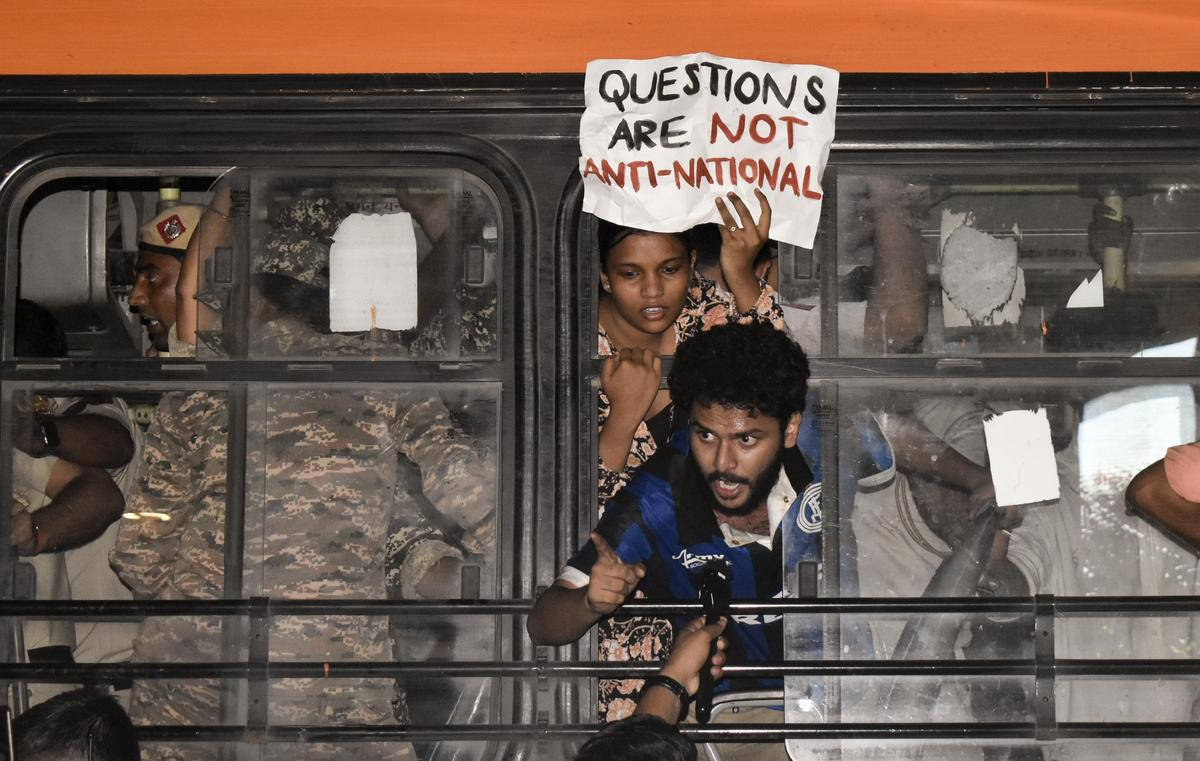
The decision to place Khyber Pakhtunkhwa under governor’s rule has sharpened an already bitter standoff between the federal authorities and Imran Khan’s party. PTI leaders and allied provincial lawmakers have condemned the step as politically motivated, saying it amounts to an assault on the will of voters who elected their provincial government. Several provincial legal and political figures have signalled they will challenge the legality of the federal action in the courts.
Opposition parties and civil society analysts warn that prolonged federal intervention in a province risks deepening polarization, disrupting provincial service delivery, and creating legal precedents that could be invoked against other regions in future political crises. Some parliamentary members have also raised procedural questions about the timing and scope of the emergency measures, and called for full records and justifications to be placed on the parliamentary record.
Parliamentary dynamics and likely outcome
Analysts following the session say the federal governing coalition, which includes the Pakistan People’s Party and allied partners, has the arithmetic to secure formal endorsements in both houses. Reports ahead of the sittings showed the PPP signalling support to provide the legal cover the government seeks. Nevertheless, the debates are expected to be heated and may include motions seeking clarifications, limits on the duration of the emergency powers, and calls for parliamentary oversight mechanisms.
Even if Parliament ratifies the measures, questions remain about judicial review. Pakistan’s courts have in the past been decisive arbiters of disputes over emergency powers and federal-provincial relations. Legal challenges are likely to follow, which could shape the duration and scope of federal administration in the province.
Why this matters beyond the immediate dispute
The move raises broader questions about how Pakistan balances security imperatives with constitutional federalism. Khyber Pakhtunkhwa sits at a strategic frontier with Afghanistan and has been both a battlefield and a political flashpoint for decades. Federal intervention in the province’s governance is likely to affect counterinsurgency operations, civilian administration, development projects, and everyday life for millions of residents.
Internationally, any sustained instability along Pakistan’s western frontier has potential regional implications, including the risk of cross-border militant movements and impacts on bilateral ties with Afghanistan. Domestic political consequences are also significant: the decision will influence how parties use institutional powers in future disputes, and could shape Pakistan’s political landscape ahead of any upcoming provincial or national contests.
As Parliament debates the measures on October 14, attention will turn to how swiftly the judiciary and political actors respond. The approval or rejection of the emergency proclamation will determine whether the federal government moves ahead with a centrally managed administration in the province or is forced to seek alternative approaches to the security and governance challenges it has cited.