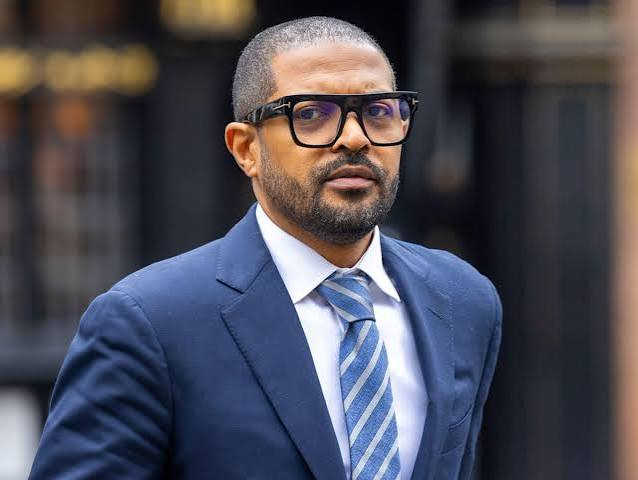
Actor Noel Clarke formally charged as UK industry scrutiny resumes
Noel Clarke, the British actor and filmmaker best known for his work on television and in British independent features, has been formally charged by the Metropolitan Police with a sequence of sexual offences. According to the police and public reporting, prosecutors authorised charges relating to alleged incidents involving five women between 2007 and 2016. The charges include counts of sexual assault, voyeurism and exposure.
What the charges are and next procedural steps
The Metropolitan Police confirmed that a file of evidence was submitted to the Crown Prosecution Service, who authorised charges against Clarke. The police statement sets out that the alleged offending occurred across the period 2007 to 2016 and involves five alleged victims. Court paperwork made public by police and national outlets shows Clarke has been charged with two counts of sexual assault, three counts of voyeurism and one count of exposure. Clarke is due to appear at Westminster Magistrates Court in October for an initial hearing, where the case timetable will be set.
Why this matters to UK film and to Hollywood-connected productions
The Clarke case is significant because it follows high profile allegations that surfaced in the British press in 2021, in which more than 20 women spoke publicly about experiences of harassment, bullying and sexual misconduct across the actor and writer producer's career. Those reports prompted internal and external reviews across UK organisations and raised questions about how production workplaces managed complaints, the power dynamics that enable abuse, and how rapidly industry bodies implemented safeguarding reforms.
Clarke has acted in projects with crossover appeal to global and Hollywood audiences, and his career sits at the intersection of British film and transatlantic markets. The return of this story to formal criminal proceedings therefore resonates beyond UK shores, because it highlights continuing industry attention on safe working practices on sets that increasingly operate as international co productions.
Industry reaction and the state of reform
After the 2021 reporting, a number of UK film institutions, festivals and funding bodies changed policies or said they would strengthen complaints procedures and training. Several organisations instituted mandatory wellbeing and safeguarding roles on productions and committed to making complaint routes clearer. Yet advocates for victims and independent campaigners have repeatedly argued that cultural change in commissioning, hiring and accountability has been slower than needed, and that the risk of reputational pressure inhibiting reporting remains real.
This formal charging brings renewed urgency to outstanding debates about whether current safeguards are sufficient, how production companies share lessons and red flags, and what statutory or industry-wide mechanisms might be necessary to protect freelancers and junior staff who often feel vulnerable when raising concerns.
Legal context and the presumption of innocence
It is important to stress that criminal charges are allegations, and under UK law the defendant is presumed innocent until proven guilty. The Crown Prosecution Service authorised the charges after reviewing a police evidence file. The next legal milestones will be the initial hearing at a magistrates court and subsequent procedural steps that could include committal to a Crown Court for trial depending on how the charges are classified and how the defence responds. Court appearances, bail conditions and the precise hearing schedule will be a matter of public record as the case proceeds.
What to watch next
Journalists and industry observers will be watching several threads. First, the court timetable and any formal statements from Clarke or his legal representatives. Second, whether the Crown Prosecution Service or police disclose further details about the charging decision that clarify the nature and timing of the alleged offences. Third, how film bodies and trade partners respond; they may review their own files and policies or issue statements on safeguarding. Finally, campaign groups and support charities will likely use the moment to push for faster and deeper reform where they see gaps remain.
Why this is a continued test for industry safeguards
The case underscores a structural tension within film cultures, where a combination of short-term project hiring, hierarchies on set and a marketplace that prizes proven collaborators can make raising complaints difficult. High profile allegations and now criminal charges force the sector to confront whether the measures adopted since 2021 are reducing risk or merely shifting the problem out of sight. For British film, which increasingly co-produces with international partners and supplies talent to Hollywood productions, getting workplace safety right matters not only morally but commercially.
As the matter moves through the courts, readers should expect new factual details to emerge from official filings and court hearings. News organisations will report those developments, and industry groups may respond with policy updates or reminders about reporting mechanisms and support services for those affected by sexual violence and harassment.
For now, the development marks a significant moment in a story that has already reshaped conversations about conduct, accountability and safeguarding across the UK screen industries and beyond.