Hundreds of thousands join the annual nationwide drill
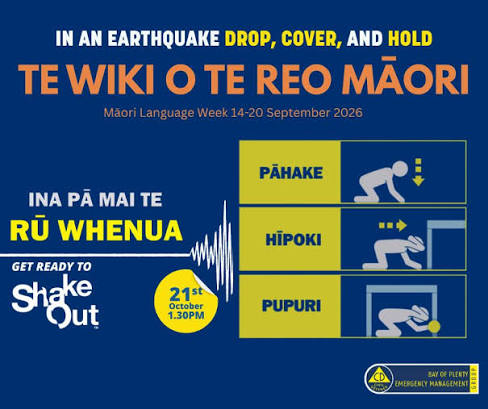
On Wednesday, October 21, Aotearoa New Zealand ran ShakeOut 2026, the countrywide earthquake drill coordinated by the National Emergency Management Agency. At 1:30pm local time people at schools, workplaces and homes around the country stopped what they were doing and practised the Drop, Cover and Hold action for 60 seconds, while those in designated tsunami evacuation zones also practised an evacuation hīkoi, or walk to higher ground.
Participation and what happened
The civil defence Get Ready ShakeOut registration pages and regional councils reported more than 600,000 people had signed up ahead of the event, with local government newsletters and education bulletins urging participation. Many schools, councils and tertiary institutions across regions from Northland to Otago posted reminders and guidance on how to run the drill safely. The self-run format meant there was no national alarm; instead organisations and households were asked to trigger the drill locally and to treat the exercise seriously.
Why the drill matters now
New Zealand sits across the boundary of the Pacific and Australian tectonic plates, and earthquakes of all sizes are a frequent reality. Emergency planners say practising simple protective actions ensures people react quickly and correctly when a real event happens, reducing injuries and saving lives. ShakeOut aims to make Drop, Cover and Hold second nature, and to test evacuation routes and communications for coastal communities vulnerable to tsunami risk.
Advice for participants and lessons organisers want emphasised
Authorities and educators used the event to remind the public of key preparation steps. Individuals were advised to identify safe shelter locations in the room, secure heavy furniture where possible, check emergency kits and ensure households have a plan to reconnect. For people in tsunami evacuation zones, the focus was on rehearsing the route and destination to higher ground, knowing local warning systems and not returning until official all clear messages are received.
Schools and workplaces were given practical guidance on running the drill without causing harm: ensure younger children, people with mobility needs and those with anxiety are supported, avoid piling into stairwells or exits at the same time, and debrief afterwards to capture issues and update preparedness plans.
Testing systems beyond the minute
ShakeOut is both a public education exercise and an opportunity for organisations to stress test continuity and emergency communications. Many councils and emergency management groups used the day to exercise public messaging channels, ensure local evacuation signage is clear, and confirm that contact lists and phone trees operate under stress. The exercise also highlighted gaps: some rural and remote communities reported limited mobile coverage for reunification messages, and several schools flagged the need for updated plans for students with additional support needs.
What experts say
Disaster resilience specialists welcomed the focus on practical, repeatable actions. They pointed out that while drills cannot replicate the full disruption of a major earthquake and tsunami, repeated practice reduces hesitation and helps people prioritise safety, especially when children or older relatives are involved. Experts emphasised the need to pair drills with investments in infrastructure resilience, such as securing bookshelves and equipment in schools and improving evacuation route signage in coastal towns.
How to follow up after ShakeOut
Organisers urged participants to use the momentum from ShakeOut to take three concrete follow-up steps: update and test household emergency plans, build or refresh emergency kits with at least three days supply of essentials, and check whether local evacuation routes and assembly points are still accessible and appropriate. Regional emergency management offices publish templates and local contact details for people who need help creating plans or checking whether they live in tsunami evacuation zones.
Why the annual drill remains a priority
As weather extremes and population growth change the exposure of communities, emergency managers say maintaining a culture of preparedness is critical. ShakeOut provides a simple, nation wide ritual that keeps core safety messages visible and gives communities a low cost way to rehearse responses. For a country where the ground will move again, the organisers say that practice, not panic, will save lives.
For resources on how to ShakeOut safely and how to make a household or workplace plan, readers can consult their regional civil defence office and the national Get Ready ShakeOut pages.