Milan saw a volatile escalation of anti-government demonstrations over the weekend as marches against the rising cost of living and strained public services devolved into street clashes with police. Hooded groups and some youths attacked law enforcement, looted shops and set fires in the historic city centre, forcing authorities to clear areas around the Duomo cathedral and the Galleria Vittorio Emanuele II.
From peaceful march to running street battles
Organisers and participants said the demonstrations began as a broadly based protest about inflation, jobs and cuts to public services, with many marchers identifying as students and young workers. According to eyewitnesses and city media, the rally drew several thousand people and initially proceeded without incident.
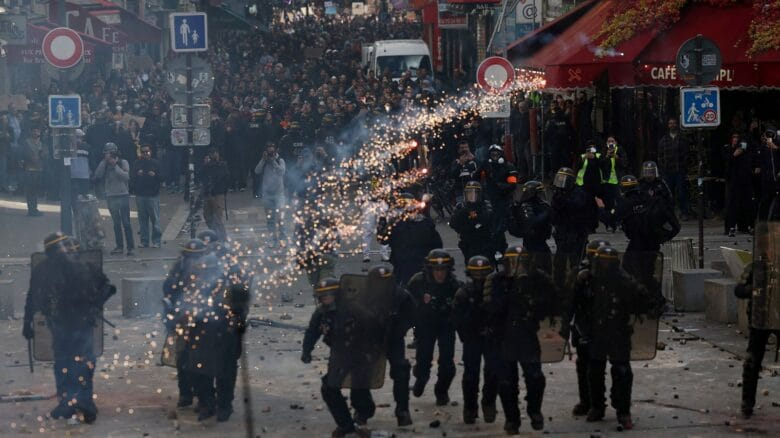
Violence erupted when a subset of masked demonstrators broke from the main march. Police and municipal sources reported that groups threw paving stones and incendiary devices at officers, smashed shop windows and set barricades alight. Security forces used tear gas and water cannon in attempts to disperse the crowds, while patrols pushed into the Galleria and surrounding streets to restore order.
Arrests, injuries and damage estimates
Authorities said they made a large number of arrests over the two days of unrest. Local reporting and government statements put the number of detained in the low hundreds, and police confirmed that some detainees were minors. Several police officers were injured in the clashes, while hospitals reported a number of protesters treated for injuries consistent with street violence.
City officials described substantial material damage in the historic centre, affecting high street shops and luxury arcades that typically draw heavy tourist footfall. One municipal estimate cited in reporting placed damage in excess of half a billion euros. Police cautioned that final assessments were not complete and that the figure could change as insurers and businesses submit claims.
Prime minister convenes security meeting
In response to the unrest, Prime Minister Giorgia Meloni convened a security meeting with senior ministers and law enforcement chiefs on Monday morning. The meeting aims to coordinate the national response, review police deployments, and consider measures to protect public order while upholding the right to lawful protest.
Government spokespeople condemned the violence and framed the actions of hooded groups as a distortion of legitimate grievances. Interior Ministry officials signalled possible legal and policing measures against those identified as orchestrating violence, while underlining the importance of distinguishing peaceful demonstrators from those who attacked police and property.
Political and social context
The clashes in Milan followed similar confrontations in other northern cities, where protests over education funding, housing and living costs have been simmering for months. Observers say the Italian unrest mirrors a broader wave of public anger across parts of Europe, where sharp price rises and pressure on public services have prompted large street actions.
Rome and regional leaders urged calm while also voicing differing interpretations of the causes. Milan's mayor criticised what he described as insufficient police resources deployed to protect the city centre, while national figures framed the violence as the work of radical elements exploiting wider discontent.
Why this matters
The disturbances pose immediate risks to public safety, to the commercial life of Italy's largest business hub, and to the political standing of the governing coalition ahead of next year's national elections. Large property losses concentrated in tourism and retail areas could have ripple effects on local employment and municipal finances. For the national government, the incident raises questions about how to respond to deepening economic grievances without curtailing democratic protest.
What to watch next
- Results of the security meeting convened by the prime minister, including any operational changes to policing and any legal measures announced against violent fringe groups.
- Official tallies of arrests, the ages of those detained, and any criminal charges filed.
- Detailed damage assessments and insurance claims from businesses in the Duomo area and other affected zones.
- Further demonstrations planned by student groups and social movements, and whether organisers take steps to isolate peaceful protest from violent actors.
For now, Milan's central shopping and tourist precincts are returned to a heightened state of alert, with authorities and city managers moving to repair damage and reassure residents and visitors that key services and security will be sustained.