Minister stresses legal autonomy of central bank, says he may attend BOJ policy meeting
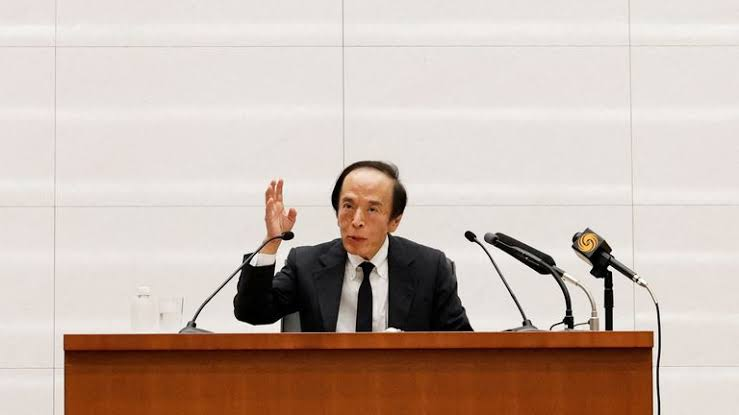
Japan’s Economy Minister Minoru Kiuchi told reporters on October 20, 2026 that the government fully respects the Bank of Japan’s independence in setting monetary policy, a pointed reassurance to markets ahead of the central bank’s policy meeting scheduled for October 29 and 30. Kiuchi spoke after a routine cabinet meeting and said, if his schedule allows, he hopes to attend the BOJ discussion as an observer.
The comments come amid heightened investor sensitivity to potential political influence on monetary policy. Since the change of government last year, markets have watched closely for signs that ministers who favour reflationary economic measures might press the BOJ to maintain looser policy for longer. Kiuchi’s statement aimed to strike a balance, reaffirming statutory independence while underlining the need for close communication between government and central bank on economic conditions.
Why the remarks matter
Central bank independence is a cornerstone of modern monetary frameworks because it helps anchor inflation expectations and market confidence. Japan’s Bank of Japan has legal protections, but arrangements also call for government and the BOJ to maintain close information exchange, a feature that has repeatedly attracted scrutiny when political leaders call for more aggressive stimulus or public spending.
Markets have been particularly attentive because Japan has undergone a notable shift in economic policy since the new administration formed in late 2025. The government has emphasised investment and wage growth to sustain higher inflation, and some of its senior officials are commonly described as reflationist. That label prompts concern among investors that political pressure could complicate the BOJ’s decisions on interest rates and balance sheet policy.
What Kiuchi said and what he did not say
Kiuchi said the government respects the BOJ’s independence as stipulated by law, and that monetary policy adjustments should be left to the bank’s judgment. He also indicated his desire to attend the BOJ’s upcoming policy meeting if his schedule permits. The minister did not propose any policy prescriptions or indicate preferences about specific interest rate moves, and he reiterated that government and central bank roles are distinct.
By declining to signal a preference for concrete policy actions, Kiuchi sought to reassure markets that the government will not preannounce or attempt to set the BOJ’s course. That restraint is significant because investor reactions to perceived political interference can be swift, affecting the yen, government bond yields and corporate borrowing costs.
Market context and likely near term effects
Investors have been watching data on inflation, wages and growth, and they will read both the BOJ’s policy decision at the end of October and the tone of official communications that follow. Kiuchi’s remarks reduce a particular source of market uncertainty by reinforcing the formal division of responsibilities between the executive branch and the central bank.
Nonetheless, the statement does not change the underlying economic questions the BOJ faces. Policymakers will need to weigh whether recent inflation dynamics and wage gains are sufficiently durable to justify further tightening, or whether risks to growth counsel caution. The presence of a government representative at policy meetings in Japan is customary, and Kiuchi’s potential attendance would be a continuation of established practice, not a departure from it.
How this fits into the broader policy debate
For months, the debate in Tokyo has centered on how to secure sustained real wage growth and domestic investment while preserving fiscal sustainability. The government has pushed an agenda of active fiscal support for growth, while asserting it will respect institutional lines with the BOJ. Kiuchi’s remarks make that posture explicit in public, aiming to reassure both domestic and international investors that institutional boundaries will be upheld.
Observers will watch the BOJ meeting on October 29 and 30 closely, not only for any change in the policy stance, but for the bank’s assessment of wage trends and domestic demand. Official communications after the meeting will likely determine how markets interpret Kiuchi’s pledge in practice.
What readers should watch next
- The Bank of Japan policy decision and its press statement, October 29 to 30, 2026.
- Any official summary of opinions or press briefing from the BOJ that clarifies the board’s reading of wage and inflation momentum.
- Follow up remarks by government ministers or the prime minister that might indicate changes to fiscal plans which could influence monetary choices.
Kiuchi’s public recommitment to the BOJ’s statutory independence reduces a key source of market anxiety in the short term. But the substantive policy choices, and how they are coordinated across government and the central bank, will be determined by the economic data and the BOJ’s internal assessment at the end of October.