Quick summary; the policy change and where it applies
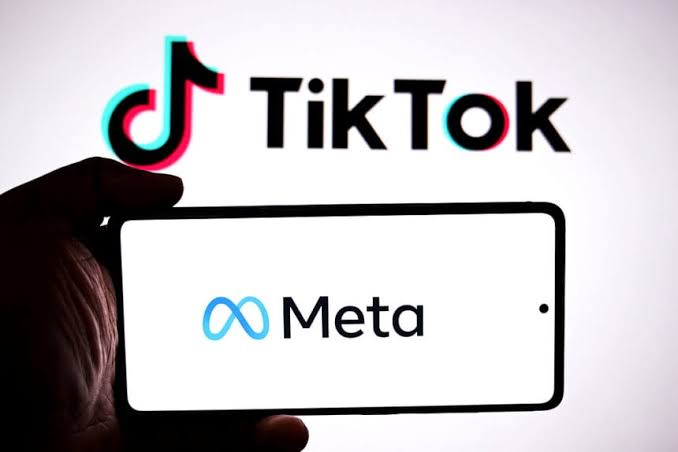
Meta Platforms Inc. has stopped accepting advertisements from ByteDance Ltd, the parent company of TikTok, and has also blocked third-party ad campaigns that direct users to TikTok in seven countries, including Canada. The change took effect in early October 2026 and was first reported by Bloomberg and picked up by Reuters and other outlets. Meta said it does not have to run ads from a direct competitor whose objective is to pull people off its apps.
Why this matters in Canada; paid growth, creators and ad data
For Canadian advertisers and creators, the move is more than a commercial squabble. Paid ads are a key user acquisition tool for smaller platforms and for creators building an audience quickly. Losing the option to buy Facebook or Instagram ads that point to TikTok raises paid user acquisition costs for ByteDance in Canada, and it restricts one common pathway creators use to cross-promote platforms and grow followings.
Digital marketing managers at small and medium sized firms told industry trackers that Meta inventory is still critical for reaching older demographics and buyers with established purchasing power. Without that inventory for TikTok promotions, brands may shift budgets to search ads, programmatic channels, influencer deals paid directly on TikTok, or to other platforms such as YouTube and Snapchat.
How the ban works; scope and enforcement
Reports indicate the ban covers not only ads placed by ByteDance itself, but also ads run by other parties that send traffic to TikTok and to other ByteDance properties. That makes the restriction broad in its effect: affiliate campaigns, influencer agencies running paid acquisition work, and performance marketers who drive traffic to TikTok-based funnels can all be affected if their ads run on Meta-owned properties in the listed countries.
Reactions from industry and creators; short-term pain, long-term strategy
Canadian creators who rely on cross-platform promotion face immediate disruption. Many creators run paid tests on Facebook and Instagram to promote new TikTok content, or to drive followers to a creator page where they later monetize through live gifts or brand deals. Those tactics become more expensive, or in some cases need different tactics entirely.
Marketers are weighing contingency plans. Strategies include doubling down on organic content, reallocating ad budgets to programmatic and search channels, negotiating brand deals directly inside TikTok, and working with affiliate publishers and creator networks to keep a pipeline of new users. Agencies are also watching whether the ban spreads to other countries or whether regulators step in to contest a private platform using ad policy to hobble a competitor.
Regulatory and legal questions; Ottawa and competition law
The ban raises questions for Canadian regulators because it touches on competition between dominant platforms. Ottawa has been actively engaged with large tech platforms in recent years. Canada’s Online News Act and other digital policy actions have already shaped platform behaviour. Legal scholars and competition lawyers note that the difference between a legitimate policy decision by a private company and an anti-competitive exclusion may be tested if regulators or parties bring formal complaints.
In Canada, the Competition Bureau and the Department of Industry track practices that could disadvantage rivals. Observers say that if a platform removes an entire advertising channel for a competitor without transparent policy justifications, it could invite scrutiny, particularly if the action materially harms rivals or reduces consumer choice.
What companies said; official lines and public statements
Meta told reporters it does not have to run ads from a competitor whose goal is to pull people off its apps, and the company confirmed the list of affected countries when asked by news organizations. ByteDance and TikTok have not issued a single, unambiguous global statement in the initial reports, though local teams often brief partners quietly about alternative advertising and measurement options.
Practical steps for Canadian creators and advertisers
Short-term tactics for creators and brands in Canada include redirecting paid acquisition to in-app TikTok promotion tools, buying search and YouTube inventory, running influencer partnerships that include paid boosts on TikTok itself, and diversifying content formats to preserve audience growth while paid channels are rebalanced.
Agencies recommend documented experiments with different funnel designs, close monitoring of cost per acquisition metrics, and conservative spend pacing until more clarity emerges about the ban's enforcement and any regulatory responses.
Broader digital ecosystem implications; ad policy as a weapon
Analysts see this as a new phase in platform competition where distribution owners use their ad systems and placement rules to shape rivals’ growth vectors. If other platforms mimic the tactic, smaller players could find paid acquisition increasingly constrained, raising barriers to entry. That, in turn, could spur regulators in Canada and other countries to set clearer rules about platform neutrality, ad inventory openness, and conditions under which dominant platforms may restrict rivals.
Bottom line; a shifting playbook for Canadian social media
Meta's ad ban on ByteDance and TikTok-linked advertising in Canada forces creators, marketers and regulators to make quick choices. For creators, the answer is often diversification and securing direct monetization channels. For brands, it is a test of media mix resilience. For regulators, it is another prompt to examine the power dynamics inside the modern ad ecosystem. Expect rapid tactical changes in budgets and a slow moving conversation about whether ad policies are fair competition, or strategic exclusion.