Parliamentary pressure mounts on platforms over dangerous content
Members of the Oireachtas and Ireland’s media regulator have continued to press major social media companies on how they identify and manage posts that directly encourage or depict dangerous behaviour, including joyriding and wrong way driving. The scrutiny has centred on whether platforms are removing content quickly enough, whether they are proactively detecting material that risks public safety, and how often they refer suspected criminal activity to An Garda Síochána.
What happened and why it matters
The issue became prominent in the summer after a series of fatal and high harm road incidents where footage linked to social media accounts was circulated widely. Those events prompted formal requests from Coimisiún na Meán, the Irish regulator for broadcasting and online media, for tech platforms to explain their moderation practices and the steps they take to refer potential criminal behaviour to police.
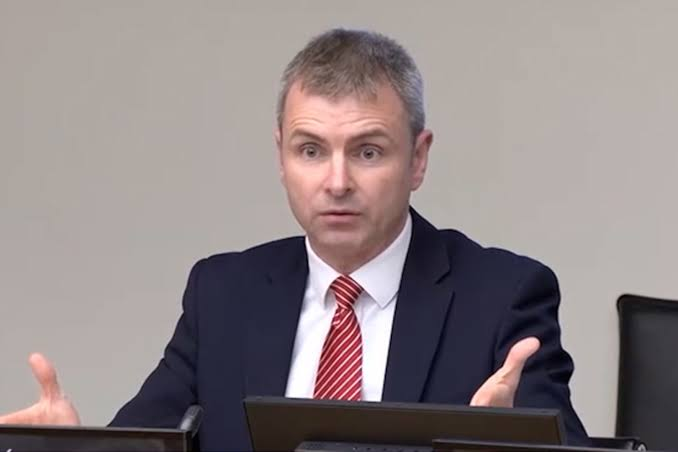
The matter was the subject of hearings convened by the Oireachtas joint committee on arts, media, communications, culture and sport, where representatives from Google, Meta and TikTok were invited to describe their enforcement work and transparency. Committee members pressed the platforms for country specific figures about how many views and uploads of dangerous-driving content were seen by Irish users, and for details on the number of referrals made to Gardaí.
For Ireland the stakes are practical and political. Regulators and politicians argue that social media is an active vector for copycat behaviour among young people, because high reach and the prospect of online “likes” can encourage dangerous stunts. For platforms the challenge is balancing automated detection and human review at scale, preserving lawful expression, and meeting Irish and EU regulatory expectations under instruments such as the Digital Services Act and national online safety laws.
What platforms have said
In hearings reported by Irish media, Meta said that it has policies and content class definitions intended to restrict imagery of dangerous real life activities for under 18s and removes or age restricts content that meets the threshold for high risk. YouTube owners at Google highlighted automated systems that detect and remove violating clips at scale. TikTok has defended its moderation efforts while acknowledging harder cases where context and local detail affect enforcement decisions.
Committee members criticised gaps in the precision of the platforms’ Irish-level reporting. On several occasions platforms were unable to provide granular figures showing how many Irish accounts had viewed or uploaded particular categories of dangerous content, an omission lawmakers described as ‘not professional’ and inadequate for public accountability.
Regulator activity and cross-agency cooperation
Coimisiún na Meán has been in contact with the major platforms to obtain a “full account” of how they handle content that promotes criminal or dangerous behaviour. The regulator has emphasised that, where content suggests criminality, platforms should have clear pathways to report that information to An Garda Síochána.
Separately, An Garda Síochána has publicly warned about trends in which social media visibility and clout can incentivise risky driving and other harmful stunts. Garda comments and evidence from investigations have been used in committee sessions to push platforms for better cooperation and timelier referrals.
Policy context and next steps
Ireland’s engagement with platform accountability is framed by national online safety work and wider European rules. Coimisiún na Meán is Ireland’s designated digital services coordinator for the EU Digital Services Act, and national law passed in recent years gives the regulator new enforcement powers over online safety and platform duties. Lawmakers on the Oireachtas committee signalled they expect more detailed Irish-specific transparency from platforms, and stronger, faster referral mechanisms to police where posts appear to record or promote criminal acts.
For users and communities the practical consequence could be tighter takedown processes and more visible reporting by platforms of actions taken in Ireland. For tech companies it means intensified oversight in a jurisdiction that serves as the European base for many global social media firms, and closer scrutiny of how automated tools and human review are used on content that can lead to real world harm.
Why readers should care
The debate affects ordinary users because it concerns how quickly dangerous content is removed or restricted, and whether platforms provide meaningful local transparency so citizens and lawmakers can see what is being done. It also matters for families and communities who have been directly harmed by copycat behaviour that was amplified online.
As regulatory and parliamentary scrutiny continues, the immediate developments to watch are whether platforms publish more precise, Ireland-specific data about harmful content and referrals, and whether Coimisiún na Meán deploys the statutory tools available to it to secure faster compliance and clearer reporting from social media firms.