Prime Minister links social media access and public order
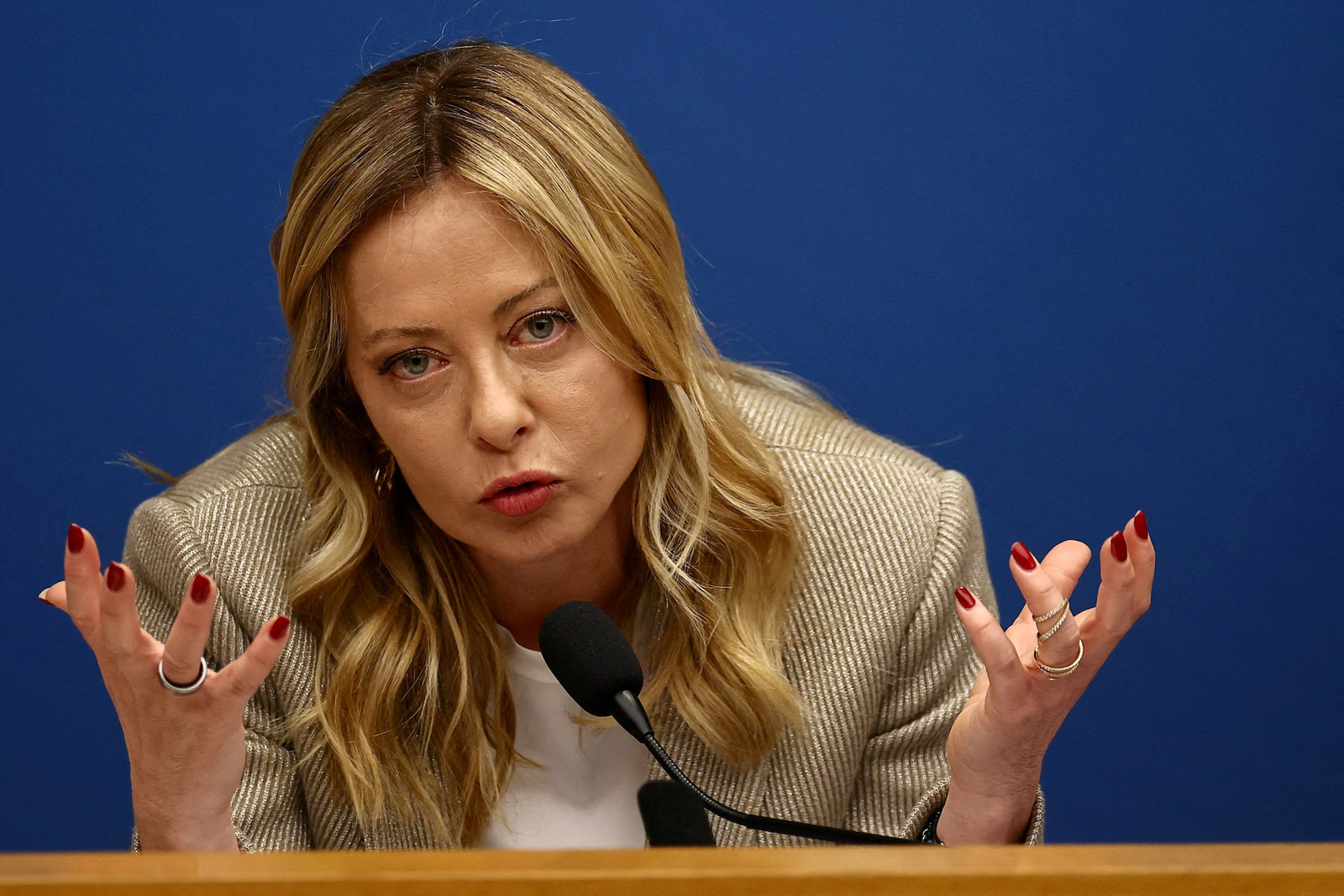
Italian Prime Minister Giorgia Meloni told La Repubblica in an interview published on October 21, 2026 that she is not opposed to a ban on social media for children under the age of 14, and that any such measure should be considered by Parliament. The comments arrived amid a government push to strengthen public security rules following a wave of street unrest and property damage in Milan and other urban centres earlier this month.
What Meloni said and how she framed it
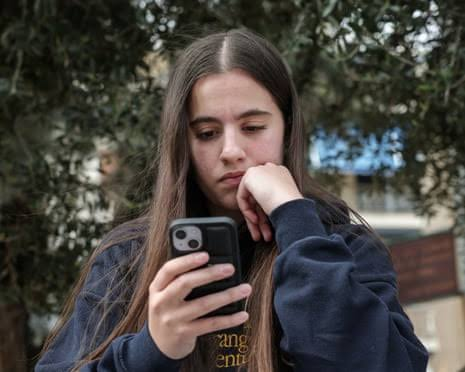
Meloni framed the issue as one element of a broader response to what she described as a worrying role of online platforms in shaping the behaviour and opinions of young people. Speaking to La Repubblica, she said she would not stand in the way of Parliament taking up a proposal to limit social media access for younger children. She emphasised that any decision should be discussed and adopted by lawmakers rather than imposed directly by the government.
The prime minister placed the debate in the context of public safety. In recent days the cabinet approved a decree package aimed at tightening powers for law enforcement and juvenile accountability in the wake of violent episodes and looting in Milan. Those measures include strengthened procedures for handling minors involved in group violence and other steps intended to deter organised disorder.
Government measures and the social media link
The security steps announced by ministers concentrate on policing and judicial responses, including new provisions that make it easier to detain and process minors suspected of involvement in collective violence and property damage. Officials have also referenced the use of online communications by groups to organise or amplify unrest, and some ministers have publicly urged platforms to take greater responsibility for the distribution of material that could encourage violence.
Meloni’s comment about a potential ban for under 14s follows months of debate across Europe about minimum ages for social media access. Brussels and a number of member states have floated age restrictions or stricter verification requirements for platforms, and Italy has seen both legislative proposals and high profile court cases aiming to limit minors’ access or to force platforms to strengthen age verification and content moderation.
Multiple pressures converging
The prime minister’s remarks arrive at the intersection of three pressures. First, high profile street unrest in October compelled the government to show immediate responses to restore order. Second, there is growing public and political anxiety in Italy and other countries about the effect of social media on children’s mental health and behaviour. Third, a series of lawsuits and regulatory actions across Europe has increased scrutiny of the major platforms’ approaches to age verification and harmful content.
For government ministers and political allies, linking online access to public order provides a tangible policy frame that resonates with voters concerned about youth involvement in recent disturbances. Critics argue that banning access for a specific age group would be legally and practically difficult to enforce, and that it risks shifting responsibility from platforms to families without solving the underlying social and economic issues that drive unrest.
How experts and civil society are likely to react
Digital rights groups and legal experts have previously cautioned that age bans can be circumvented and may raise freedom of expression and privacy concerns. Age verification systems can be intrusive and pose data protection risks if not designed carefully. Child welfare advocates support measures to reduce minors exposure to harmful content, but many recommend targeted interventions such as stronger moderation, parental controls, digital literacy programmes and regulated time limits rather than outright bans.
Italian parents groups and some conservative organisations have already called for tougher platform responsibilities and clearer safeguards for minors online. At the same time, youth and civil liberties organisations warn that punitive, technology driven solutions will not replace investment in schools, youth services and social policies that address the root causes of unrest.
What happens next
Meloni explicitly deferred to Parliament, signalling that any formal change would require legislative debate and approval. Lawmakers from across the political spectrum are expected to weigh in, and parliamentary committees may consider proposals that range from voluntary platform safeguards and age verification standards to stricter statutory age limits.
Regulators and courts will also be part of the picture. Italy’s communications regulator and the national data protection authority have been active in recent months, issuing orders and rulings that target platform practices in specific cases, and they could shape how any new rules are implemented.
Why this matters
The prime minister’s openness to a social media age limit ties a hot policy question to immediate security concerns, increasing the likelihood of accelerated political momentum. How lawmakers balance child protection, enforcement practicality, data protection and free speech will determine not only the legal outcome, but also how Italy positions itself within a wider European debate over children and digital platforms. For citizens and platform providers, the coming parliamentary discussions will be the deciding arena for whether Italy pursues prohibition style measures, regulatory obligations on companies, or a mixed approach that couples protection with education and social policy.
The unfolding debate will be important to follow because it could influence other European capitals that are wrestling with similar questions, and because the shape of any Italian rules will affect how global platforms operate in Italy and across the European Union.