Quick take; what moved markets today
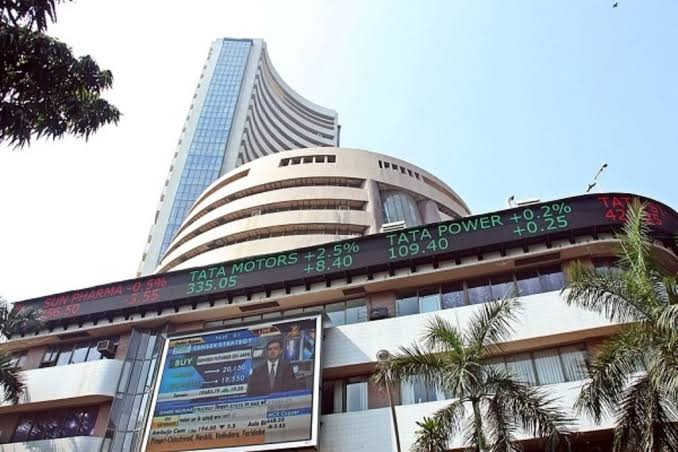
Indian benchmark indices recovered ground on the morning of October 29, 2026, with the BSE Sensex and the NSE Nifty 50 trading higher after a volatile session the day before. Traders cited a combination of a US Federal Reserve pause in tightening, a fresh spike in crude oil prices that will pressure India’s import bill, and visible foreign institutional investor flows as the main catalysts for the move.
Numbers that mattered
Early session action showed the Sensex rising into the 73,400 area while the Nifty pushed above the 22,730 mark. These changes followed a subdued opening but reflected selective buying in heavyweight technology and financial names. Market commentary linked the rebound to a renewed appetite among overseas investors, who had been net sellers earlier in the year before reversing course in the most recent session.
Global cues; policy and crude
Two global factors set the tone. First, the US Federal Reserve opted to pause on an immediate rate move, which eased some pressure on risk assets and supported flows into emerging markets, including India. Second, international crude prices firmed after reports of disruptions in the Middle East, elevating concerns about India’s import bill and inflation outlook. Investors balanced the relief from the Fed’s stance with worries that elevated oil will weigh on corporate margins and the current account.
Why foreign flows matter now
Foreign institutional investors have a disproportionate influence on daily index moves because of the size of their holdings and the speed at which they can reposition portfolios. On October 29, data and market commentary showed foreign buying returning to the market in the early session, a force that can lift major caps and narrow intraday volatility. Analysts noted that sustained inflows would depend on how global yields and crude prices evolve over the coming days.
Sector winners and losers
Large cap information technology and select private banks led the gains, while energy and some commodity linked stocks lagged amid higher crude. The movement highlighted the market’s dual sensitivity, where the same global signals that lift liquidity can simultaneously raise cost pressures for a net energy importer like India.
Macro implications; inflation and rupee pressure
Higher oil prices raise the risk of imported inflation and put downward pressure on the rupee. That combination complicates the Reserve Bank of India’s task, with policymakers already monitoring a mix of domestic demand indicators and international cost pressures. If oil remains elevated, markets could price a tighter domestic monetary stance or anticipate slower growth, both of which would affect equity valuations.
Market psychology and what to watch next
Traders will be watching three things over the short term: the trajectory of crude oil prices, any fresh signals from the Fed or other major central banks about policy direction, and daily foreign investor flows into equities and debt. Corporate earnings updates due over the coming weeks will also be evaluated for signs that margins are stabilizing despite cost pressures.
Bottom line; cautious relief
October 29’s rebound shows that Indian markets remain responsive to global liquidity conditions and commodity shocks. The rally was real but conditional, driven by overseas buying and a temporary easing in rate anxiety. Investors and policymakers will be on alert for persistent oil strength or a renewed shift in global yields because either development could quickly reverse the morning’s optimism.
Reporting for this piece combined live market coverage, exchange figures and analysis from financial desks covering the October 29, 2026 session. The situation is fluid and traders should treat intraday moves as part of a larger, evolving macro narrative.