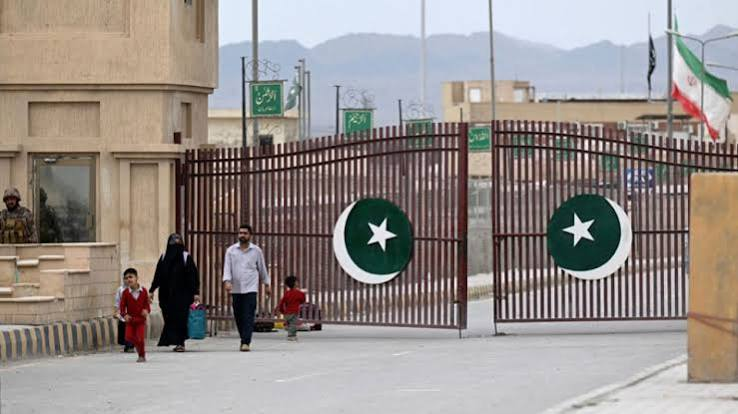
Pakistan reopened the Gabd border crossing with Iran on October 25, 2026, restoring bilateral trade that had been suspended for about a week, a move local traders said will help ease nationwide shortages of liquefied petroleum gas (LPG) and reduce upward pressure on food and energy prices.
Resumption aims to repair disrupted supply chains
The Gwadar Chamber of Commerce and Industry and other local trade bodies welcomed the reopening, saying that the restoration of cross-border shipments will restart supply chains that had stalled after the closure. The chamber told reporters that imports of LPG and other essential commodities through Gabd are expected to resume within days and that this should ease the short-term domestic shortages that have pushed prices higher in recent weeks.
The reopening was reported in a Pakistan national news dispatch published and timestamped on October 25, 2026. The article said the crossing’s reopening followed discussions between local officials and trade representatives; however, the report did not publish a formal government statement or a full schedule of resumed shipments.
Immediate economic effects and shortages
Pakistan has faced intermittent shortages of LPG and food-price pressure linked to logistic disruptions on key border routes. Traders and local officials in Balochistan told reporters that Gabd is a crucial land corridor for Iran-origin LPG shipments and other foodstuffs destined for southwestern Pakistan and onward domestic distribution.
Restoration of trade at Gabd is expected to relieve supply bottlenecks over the coming days, but market participants warned that inventory replenishment and normalised distribution will take time. Local wholesalers said that even after shipments restart, retailers in some districts may face several days before stocks are visibly replenished and consumer prices respond.
Why the crossing matters and longer-term context
Gabd is one of a handful of land border points used for trade between Pakistan and Iran. Interruptions at such crossings can sharply affect supply lines for energy products like LPG, which are easier to move by truck than by sea for inland distribution. Pakistan’s wider economic context, constrained foreign exchange reserves, elevated import bills and sensitive food-price dynamics, makes temporary logistic disruptions more visible in consumer markets than they might be in larger, more diversified economies.
Trade at land crossings with neighbouring countries also carries political and security considerations that can affect commercial flows. The news report did not attribute a single proximate cause for the earlier weeklong suspension; it cited local reporting and statements from trade groups about the closure and its lift but did not publish a formal statement from Pakistan’s federal ministries or Iranian authorities.
What to expect next
- Shipments of LPG and essential goods are expected to resume through Gabd within days; wholesale inventories should start replenishing in the following week.
- Consumer prices may take longer to fall: market observers said it could be several days to a fortnight before reopened supply lines materially reduce retail LPG and food prices nationwide.
- Officials from trade, customs or ministries may issue formal schedules or statements; those will clarify the pace and volume of resumed trade and whether additional border crossings will be affected.
For now, the reopening is a concrete short-term improvement for supply-chain logistics in southwestern Pakistan and a potentially important relief for consumers facing acute fuel and food costs. The development is documented in a Pakistan national news report published on October 25, 2026.