Luxury cars and designer goods seized as Garda probe targets Dublin charity; questions raised over public funding
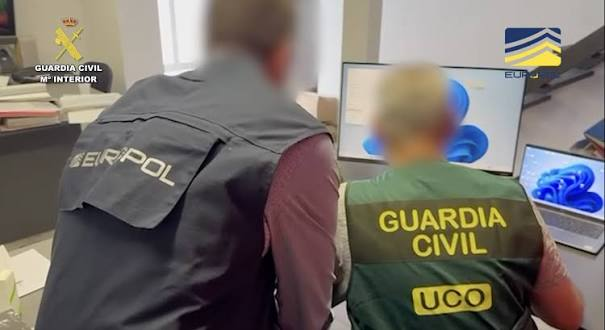
Garda National Economic Crime Bureau detectives executed searches across Dublin and the eastern and southern regions in late October, confiscating two BMW X5s and high-value designer goods while probing suspected money-laundering linked to a long-established charity. The operation has prompted fresh scrutiny of state funding and regulatory oversight.

Headline: Luxury cars, watches and designer bags seized; charity’s accounts face scrutiny
Byline: Dublin; Special Correspondent
Opening: In a dramatic turn of events that has reverberated through Dublin’s charity sector, detectives from the Garda National Economic Crime Bureau’s Money Laundering Investigation Unit carried out multiple searches late in the week and seized luxury assets including two BMW X5 vehicles along with high-value watches and designer bags. The operation forms part of an ongoing inquiry into the finances of a long-standing Dublin-based charity that distributes clothing and runs charity shops across the country.
What happened; timeline and scale
Gardaí conducted coordinated searches on October 20 and October 21, 2026, at a number of sites in Dublin and in the eastern and southern regions. Officers recovered two BMW X5 vehicles with a combined estimated value of about €250,000. In addition, investigators removed luxury items — notably Louis Vuitton bags, Rolex watches and other pieces of jewellery — which authorities estimate are worth roughly €40,000 in total. The searches and seizures are part of a money-laundering probe led by the Garda National Economic Crime Bureau. (4ie.ie)
Who is under investigation; the organisation named in reporting
Reporting by national outlets has identified the organisation at the centre of the inquiry as Liberties Recycling, sometimes referred to as Liberty Recycling. The charity, based in Bluebell Industrial Estate and operating a network of shops and textile collection banks, has been serving communities for more than two decades. Its activities include running charity shops in several towns and collecting donated clothing via public red banks. The Garda inquiry is focused on whether funds raised by the charity were properly recorded and used for charitable purposes or instead diverted. (irishtimes.com)
State funding and public accountability; numbers that matter
Public records and recent reporting show the charity received significant state grants in recent years. Financial statements indicate that, between 2020 and 2024, the organisation received roughly €2 million in government funding, with annual payments varying from about €377,000 to more than €487,000 in specific years. Those figures have intensified scrutiny from both the Charities Regulator and political voices demanding answers about how public money was spent. (irishtimes.com)
Investigative focus; money flows and third-party links
Sources close to the inquiry say detectives are reviewing bank records, invoices and payment flows to establish whether donations and grant money were routed away from the charity’s stated purposes. An accountants’ office connected to the organisation was also searched as part of the operation, according to reporting; investigators are believed to be tracing outgoing transfers, shell accounts and any personal enrichment that might have taken place. The Garda said the unit’s work is ongoing and that its actions were aimed at recovering assets and building evidence. (irishtimes.com)
Political and regulatory fallout; quick reactions
The revelation that a recipient of state funding is the subject of a money-laundering probe has prompted a swift political response. Opposition lawmakers and civic campaigners have called for a full accounting of grants and tighter oversight by the Charities Regulator. Meanwhile, local representatives with ties to the charity have said they will cooperate with investigators. The Charities Regulator confirmed the organisation remains on the register while inquiries continue. (dublinreport.com)
What comes next; legal process and asset disposition
Legal experts note that seizure of assets is an investigative, not a prosecutorial, step. Items taken by Gardaí will be catalogued and held pending further inquiry; if no lien or third-party claim is established, they may ultimately be forfeited or otherwise disposed of under court order. Investigators will likely seek to establish who benefited from the assets and whether proceeds can be linked to the diversion of charitable funds. Arrests have been suggested by some reports as a possible next stage if evidence supports criminal charges. (extra.ie)
Wider context; fraud trends and public trust
The Garda operation follows a year in which Irish authorities have stepped up action against economic crime, including money laundering and fraud schemes that exploit charitable giving. Regulators and banking bodies have repeatedly warned of scams and sophisticated social-engineering tactics that can camouflage illicit financial flows. Observers warn that high-profile probes like this one risk eroding public trust in the charity sector if they reveal mismanagement or criminality; conversely, transparent handling of the investigation could reinforce the integrity of oversight systems. (fraudsmart.ie)
Voices on the ground; charity workers and donors
Volunteers and local donors expressed shock when contacted; many said they had assumed donations supported local addiction services and community projects. Some volunteer coordinators urged patience, saying they wanted the Garda inquiry to run its course before drawing conclusions. The Charities Regulator has not suspended the charity’s registration, and the organisation’s shops remain listed publicly, though operations may be affected while the inquiry proceeds. (irishtimes.com)
Bottom line; accountability and follow-up
For now, the seizure of luxury goods and vehicles has made one thing clear: investigators are treating the case seriously and following money trails that lead from everyday donations to high-value assets. The Garda National Economic Crime Bureau has recovered potentially important evidence; how that evidence will translate into charges, prosecutions or regulatory penalties depends on the outcome of forensic accounting and legal review. The wider policy question remains: how can oversight be strengthened to prevent misuse of charitable funds and protect public confidence in giving?
Topics
LocationBluebell Industrial Estate and multiple sites across Dublin, eastern and southern regions