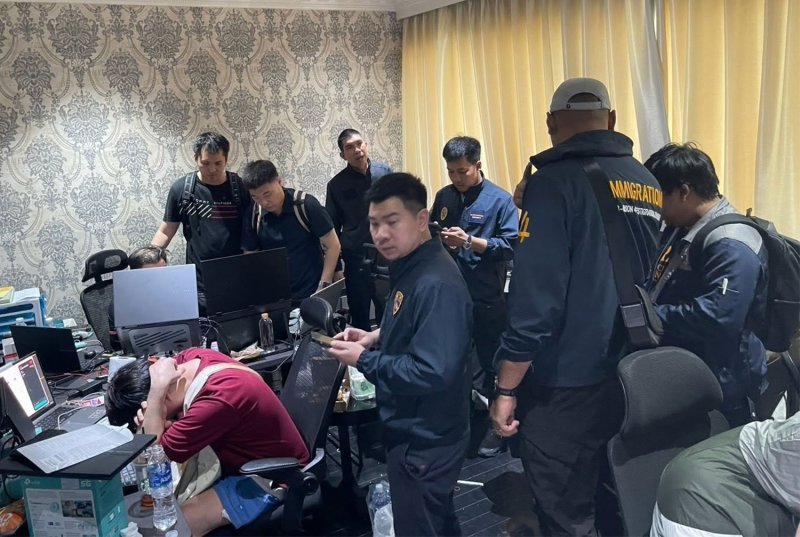
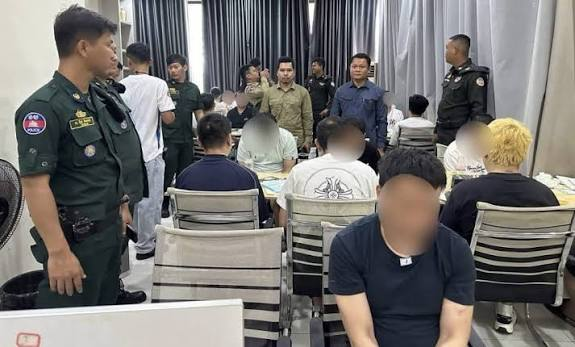
Cambodian authorities on October 23 carried out an open administrative inspection of a residential villa in Sihanoukville suspected of hosting online scam operations, detaining 37 people and seizing a large quantity of electronic equipment, officials and local reports said. The raid, part of a continuing regional push this month against organised online scam centres, yielded more than 110 mobile phones and computers, according to initial statements released by local sources.
What happened
Administrative forces and local police entered a villa in Sihanoukville on October 23 and found what they described as evidence of an organised online fraud operation. Authorities detained 37 people during the inspection; reporting described many of the detainees as foreign nationals. Officers seized more than 110 mobile phones and computers during the sweep, which officials said would assist investigations into alleged fraud and money-seizure pathways.
Authorities' stated aims and immediate actions
The inspection was described by reporting outlets as an open administrative action rather than a covert or warrant-led raid; it followed growing regional pressure and previous cross-border cooperation to disrupt online scam networks. Following the detention of 37 people and the confiscation of dozens of devices, Cambodian officials said they would examine the seized electronics to identify suspected criminal activity, trace communications with victims, and follow financial flows linked to the operation.
Why this matters
In recent months regional law-enforcement agencies have increased operations against organised scam hubs that use call-centre-style facilities and villa compounds to defraud victims across borders. The Sihanoukville inspection is part of that pattern; large device seizures and the detention of many foreign nationals underscore how these centres rely on massed workforces and extensive telecommunications equipment to scale fraud across jurisdictions.
For potential victims and financial institutions, these raids are significant for several reasons: they can yield forensic evidence to identify fraud victims, expose the operational structure and chain of command of syndicates, and provide leads to financial accounts or intermediaries used to launder proceeds. They also reflect rising diplomatic and law-enforcement pressure across Southeast Asia and beyond to hold operators and facilitators accountable.
Regional context and recent comparable operations
The Sihanoukville action follows a string of similar operations across the region over recent weeks. Law enforcement in neighbouring countries has conducted large raids on suspected scam compounds and call centres: for example, Philippine authorities and the National Bureau of Investigation previously reported large arrests linked to alleged online scam hubs, and Thai authorities have undertaken raids and asset seizures tied to transnational money-mule and scam networks. Cambodia itself has seen prior actions this year targeting real-estate and villa sites suspected of hosting illicit telemarketing and fraud operations.
Confirmed facts and next steps
- Detentions: 37 people were detained during the Sihanoukville villa inspection on October 23. (Source: local reporting and on-the-record police statements.)
- Seizures: Authorities seized more than 110 mobile phones and computers during the operation; those devices will be forensically examined. (Source: police/local reports.)
- Nationality mix: Reports indicate many of those detained were foreign nationals; authorities have not released a full nationality breakdown publicly as of the published reporting. (Source: local reporting.)
- Investigation status: Authorities said they will analyse seized devices and follow financial leads; criminal charges and detentions may be updated as forensics proceed. (Source: initial official statements reported by local outlets.)
What to watch next
Expect Cambodian law-enforcement agencies to publish more detailed findings as device forensics and cross-border cooperation yield leads. If investigations identify victims in other countries, regional prosecutors and police partners may open parallel investigations or seek extraditions. Financial regulators and banks in affected jurisdictions may also issue alerts or take steps to freeze accounts once links to laundering networks are established.
Meanwhile, the Sihanoukville operation reinforces an ongoing pattern: authorities across Southeast Asia have in recent weeks increased pressure on villa- and compound-style scam centres. Further operations, forensic results and any formal charges will be crucial to assess whether these raids produce sustained disruption of the underlying networks or only short-term displacements of illicit activity.
We will update this report when authorities release formal statements, lists of charges, or additional forensic details.