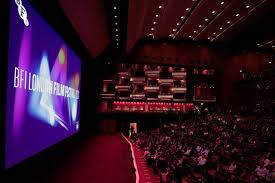
London’s Streets Turn Into Hollywood Backlot as Major Blockbusters and Series Stage High‑profile Shoots
London has become a frenetic production hub this autumn, with Warner Bros and international studios staging large scale shoots across the capital. The surge in activity highlights Britain’s continued place at the centre of global blockbuster and prestige television production.
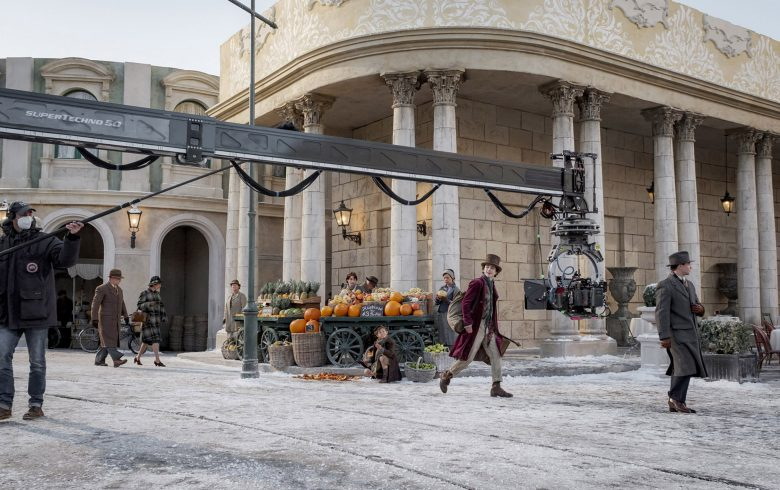
London’s streets and studio campuses have become a hive of Hollywood activity as several high profile international productions mount large scale location and studio shoots in the city this week. The activity ranges from tentpole franchise work to prestige streaming drama, reinforcing London’s long running appeal as a production centre for major American studios and global streamers. A cluster of headline projects are currently using London locations and soundstages, drawing crews, background performers and onlookers across the capital. Among the titles in confirmed production this month are a high profile DC tentpole that is shooting sequences in central London and at major studio facilities, and a multi film period event from a noted British director that has moved between London and other UK locations. In addition, multiple streaming series and international co productions are using Shepperton and Leavesden studios for interior shoots and stage builds. Why London again Producers cite a combination of reasons for staging these large productions in London. The city’s deep pool of experienced crews, the concentration of world class studio space, competitive tax relief for audiovisual production and the diversity of architectural locations that double for other global settings all play into the decision to shoot here. For international tentpoles, London offers the infrastructure to run complex second unit and night shoots while keeping key cast and department bases nearby. The presence of multiple simultaneous high end shoots has practical implications for the local economy and the film workforce. Hotels, catering companies, transport operators, construction trades and specialised technicians see a direct boost from the influx of shoots. Background artists and locally hired technicians also gain short term employment, while the longer term benefits include investment in studio expansion and post production facilities. What is filming now A major superhero sequel is in principal photography with London exterior work scheduled across the month, while a large scale, multi film historical project directed by an award winning British filmmaker is mid way through a year long production that uses London for interiors and key set pieces. Several high profile television productions, both British and international, are also out on location or in studio at the same time. The co existence of these productions produces logistical challenges. Streets closures, altered transit patterns and visible on set infrastructure, including catering trucks and temporary power rigs, are more common where shoots are concentrated. Local authorities and film offices typically coordinate with production companies to minimise disruption and to ensure safety, while negotiating location fees and community impact measures. Industry context and the global market The current surge follows a broader industry rebound after a period of pandemic related interruption and industrial action in global markets. As studios race to populate release slates and streaming platforms commission franchises and prestige drama, production hubs with proven capacity such as London are in strong demand. Producers also note the value of shooting where the local talent base can contribute experience on both traditional crafts such as set construction and new technical fields like virtual production. For Britain’s screen sector the concentration of Hollywood scale work offers a mixed picture. There is immediate economic upside in jobs and supplier income, but the rapid escalation of productions raises questions about capacity limits, pressure on rental rates for studio space and the need to grow training pipelines so local workers can meet demand for specialised roles. What to watch next Filming schedules for big budget projects can evolve quickly, with new blocks, reshoots or additional units added as productions mature. Local film offices and studio operators have signposted forthcoming public relations announcements and premiere dates, and trade outlets are expected to follow developments as more productions move from principal photography into post production. For Londoners, the near term experience will be a city that frequently resembles a Hollywood backlot, with a visible film industry presence that stretches from central streets to suburban studio campuses. For the UK screen industry more broadly, the current wave of international shoots is further evidence that London and the surrounding studio belt remain central to global filmmaking ambition, while also reminding policymakers and industry leaders of the need to expand infrastructure and training to sustain future growth.
Topics
LocationVarious locations in Greater London