Hundreds of Kilograms of Explosives Seized
Security personnel intercepted a truck earlier in October at a checkpoint in Dahr al-Baidar, a strategic mountain passage connecting Lebanon's eastern Bekaa Valley with Beirut.
Investigators reportedly discovered between 500 and 700 kilograms of explosive materials inside the vehicle.
The seized cargo included approximately 250 kilograms of C-4 plastic explosives and another 250 kilograms of TNT. Authorities also recovered metal balls and nails, materials that can be used to increase the destructive impact of explosive devices.
The shipment's size and composition prompted serious security concerns, particularly because the explosives were allegedly being transported without official authorisation.
Two suspects were detained following the discovery.
Initial investigative findings indicated that the shipment had originated near Baalbek in northeastern Lebanon and was intended for delivery to an individual in Beirut's southern suburbs.
That area has historically served as a major political and organisational centre for Hezbollah.
However, the precise intended use of the confiscated materials has not been publicly established.
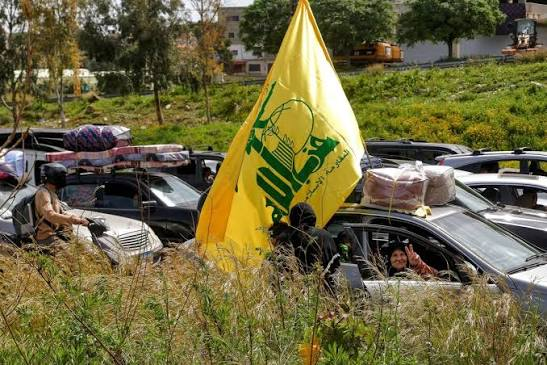
Lebanese authorities have filed criminal charges against several individuals allegedly connected to Hezbollah following the seizure of hundreds of kilograms of explosives, marking a significant development in the country's efforts to strengthen state control over weapons and internal security.
Lebanon's military judicial authorities have launched legal proceedings against individuals suspected of involvement in transporting a large shipment of explosives across the country. The investigation follows the interception of a truck carrying powerful explosive materials, raising concerns about illegal weapons movements and the enforcement of government security restrictions.
The case comes amid growing pressure on Lebanese institutions to establish greater authority over armed activities operating outside official state control.
Military Court Proceedings Begin
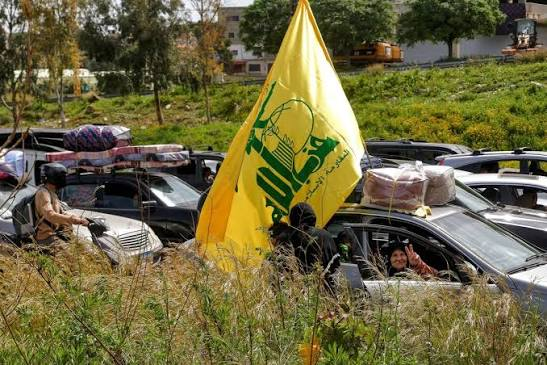
On Friday, Lebanon's military judicial authorities filed charges against eight individuals identified as having alleged connections to Hezbollah.
Two of those accused were already in custody.
Proceedings also reportedly included five additional suspects whose complete identities had not yet been established. Investigators identified those individuals through aliases.
The allegations cover several offences involving national security, unauthorised possession and transportation of explosives, violations of government restrictions and participation in unlawful organisations.
The charges represent a significant legal development, but they do not establish the defendants' guilt.
The accused remain entitled to the applicable legal protections, and the allegations must be examined through the judicial process.
Further investigations may determine whether additional individuals participated in organising, financing or coordinating the shipment.
Government Restrictions Face a Major Test
The proceedings follow Lebanon's decision in March 2026 to prohibit Hezbollah's military activities.
The reported restrictions created a new legal and political environment for the organisation, which has maintained substantial armed capabilities alongside its political presence.
The latest case is therefore being closely watched as a test of whether Lebanese institutions can enforce government decisions involving powerful non-state armed groups.
Hezbollah representatives reportedly challenged the confiscation and demanded the return of the explosives, maintaining that the materials were intended for military operations against Israel.
Lebanese authorities rejected that demand and allowed the investigation to continue.
The disagreement highlights competing positions over the possession and movement of weapons within Lebanese territory.
For the government, the central issue concerns the state's authority to regulate military equipment and enforce national security laws.
For Hezbollah, the dispute forms part of its longstanding position concerning armed resistance against Israel.
Previous Weapons Seizures Highlight Changing Conditions
Lebanon has experienced similar disputes involving weapons shipments in previous years.
In August 2023, a truck transporting ammunition overturned near Kahaleh, east of Beirut, triggering a confrontation involving local residents and Hezbollah members.
Two people were killed during the incident, which intensified tensions over the transportation of weapons through civilian areas.
The ammunition was subsequently returned to Hezbollah.
The outcome of that earlier incident contrasts with the current investigation, in which authorities have retained the confiscated materials and pursued criminal proceedings.
The difference may indicate a change in how state institutions are responding to disputed weapons movements, although the long-term implications remain uncertain.
Security Concerns and Lebanon's History of Political Violence
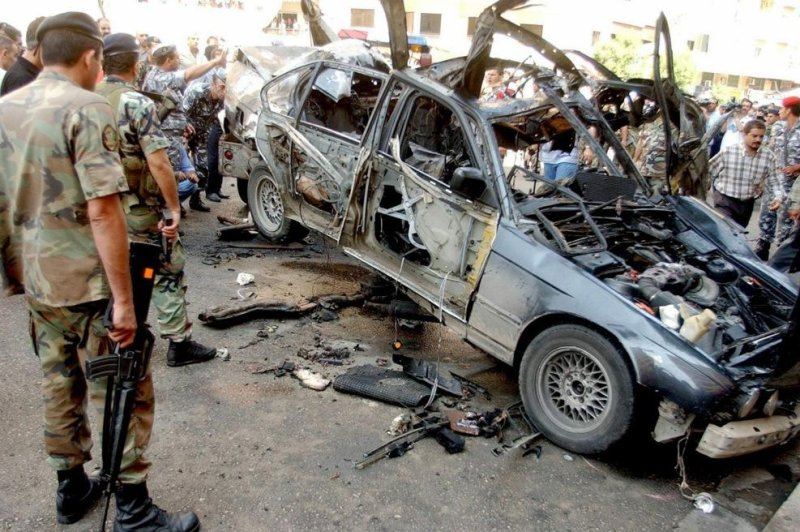
The discovery of C-4 and TNT has also revived concerns about Lebanon's history of politically motivated bombings.
The country experienced a series of deadly attacks and assassination attempts during the years following the 2005 killing of former Prime Minister Rafik Hariri.
Those incidents contributed to political instability and deepened divisions among competing political groups.
However, investigators have not publicly established that the explosives seized this month were intended for assassinations or attacks against civilians.
The presence of powerful explosive substances warrants investigation, but it does not by itself prove a particular operational plan.
Determining the shipment's intended destination, ownership and purpose will be central to the continuing inquiry.
What Happens Next?
The investigation is expected to focus on the movement of the explosives, the identities of the suspected organisers and the circumstances surrounding the planned delivery.
Judicial authorities may also examine whether the shipment formed part of a wider transportation network.
The proceedings could have broader consequences for Lebanon's internal security policies and the relationship between state institutions and armed political organisations.
Much will depend on the evidence presented, the court's decisions and the government's ability to enforce existing restrictions consistently.
For now, the seizure represents a significant intervention by Lebanese security forces and a closely watched test of judicial authority.