
London summit puts funding at the centre of Britain’s screen conversation
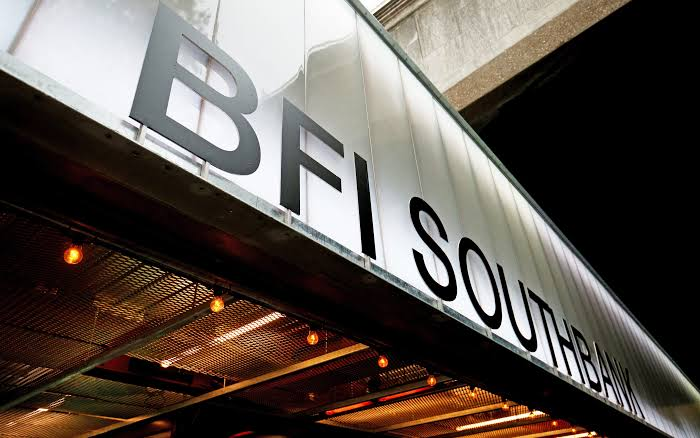
Today the BFI Southbank in central London is hosting the third annual Screen Summit, titled Financing the Future of UK Film, bringing together senior executives from UK studios, international streamers, distributors and producers to debate how the British industry can secure finance and remain globally competitive.
The one day forum, organised by Screen International, frames a concentrated industry moment around practical questions producers and financiers face now: how to turn UK public incentives into commercially viable productions, how to attract private investment, and how studios and sales agents can structure deals that give British films a realistic shot in global markets.
Who is in the room
Speakers and panellists include senior figures from Sky Studios Elstree, Warner Bros Leavesden and Garden Studios, along with leaders from sales companies, UK distributors and platform businesses. The lineup also features representatives from major streamers active in the UK market and senior figures from national screen bodies and private investment houses. The event has been assembled to reflect the full financing chain, from studio infrastructure and production services, to distribution, sales and capital providers.
Key themes and market signals
Across the opening sessions the debate has focused on three interlocking pressures confronting UK filmmaking. First, rising production costs and international competition for stages and crews mean UK projects must be packaged more tightly to reach financiers. Second, public incentives and funds remain important but are being reshaped, prompting producers to find new co financing and pre sale strategies. Third, the changing behaviour of global streamers and the growth of direct to consumer windows require creative commercial models for British films that can still deliver returns.
Speakers pointed to recent policy and industry adjustments designed to sustain the domestic ecosystem, noting increased activity by studios in the UK that is creating opportunities, as well as persistent gaps when it comes to mid budget British films that need bankable international partners or guarantee style mechanisms to travel overseas.
Practical solutions on stage
Panels at the summit have been practical and concrete. Sessions called Making Every Pound Count and Future Thinking examined how producers can optimise tax credits and incentives, structure international co productions, and use sales minimum guarantees or gap finance without giving away creative control. Other conversations have looked at how UK sales agents and distributors can repurpose rights strategies to create minimum guarantee capacity, and how private capital can be mobilised through blended finance approaches.
Several speakers urged stronger co ordination between public bodies, studios and lenders to underwrite riskier mid budget titles. There was also a recurring call for more investment in early stage development to help projects reach packaging level sooner, where they can attract international financiers.
Why it matters for Hollywood and UK talent
The event is relevant to Hollywood as much as to UK producers. Major studios and streamers now treat the UK as a core production base. Decisions made in London around incentives, studio capacity and how UK projects are sold internationally will affect where Hollywood studios shoot and which British stories reach global platforms. For UK creatives, the financing environment determines whether original British films can be produced at sustainable budgets and find an audience beyond the domestic market.
Speakers also stressed the cultural stakes: a healthy film sector supports jobs across the regions and preserves British storytelling amid a global slate dominated by franchise output. The summit’s emphasis on practical financing tools reflects a recognition that preserving creative plurality requires bespoke commercial thinking.
Next steps and likely outcomes
While the summit itself is not a policy-making forum, organisers expect its discussions will accelerate deals, investor introductions and public private conversations. Attendees include executives who influence where financing is placed and how films are packaged, meaning the conversations could translate into concrete investment commitments or new collaborative initiatives over the coming months.
Panel chairs signalled intentions to push for clearer market instruments to support middle market UK films, and some speakers indicated they would take forward proposals on co ordinated minimum guarantee support and blended finance pilots with public funds and private investors.
Conclusion
Screen Summit 2026 positions London as a centre for practical deal making on film finance. The event underscores early market thinking that sustaining a diverse British film sector will require not just public funding, but smarter commercial frameworks that let UK grown projects compete globally. With studio activity in the UK expanding, the summit’s conversations are likely to shape how British films are financed and sold in the coming year.