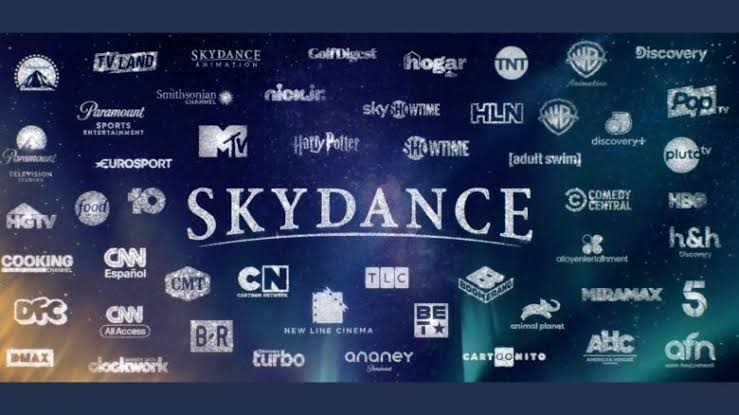
Paramount’s long pursued purchase of Warner Bros. Discovery formally closed this week, creating a newly branded parent company known as Skydance and consolidating two of Hollywood’s most powerful studios, two major streaming services, and leading U.S. news networks under one corporate roof. The transaction wraps up a months long battle over regulatory approvals and legal challenges, and marks one of the largest restructurings in the modern entertainment business.
What changed at the top
The combined company will operate under the name Skydance, with David Ellison and a leadership team announced in the days immediately before the close. Skydance now controls Paramount Pictures and Warner Bros as distinct studio labels, while also bringing together Paramount+ and HBO Max among its streaming assets, major cable networks, live sports rights and the news operations of CNN and CBS.
The deal was structured to preserve the existing studio brands rather than immediately folding them into a single label. Company filings and the closing statement show the parent company will manage shared corporate functions, finance and an overarching strategic plan, while continuing to release films under the Paramount and Warner Bros names. Skydance also unveiled its initial senior leadership slate for the enlarged company in the same announcement that confirmed the close.
Regulatory concessions and production promises
Regulators and state attorneys general imposed conditions before approving the combination. As part of negotiated settlements with multiple U.S. states, the company agreed to produce and release a specified minimum number of theatrical films and to maintain production levels in the United States, commitments that were intended to protect domestic production jobs and limit the deal's competitive harm. Company documents filed around the close also disclose large financing packages the new parent has put in place to fund the acquisition and near term operations.
Executives have signaled the combined company will aim to leverage a deeper library of franchises and film and television development teams to support both theatrical and streaming schedules. Public statements made at closing emphasize continuity of output and an initial focus on integrating operations while keeping known creative teams in place.
Union and creator reactions
The deal drew vocal opposition from many industry creators and unions during the approval process, and those concerns have not entirely faded with the close. Representatives for performers and writers had publicly highlighted competition and employment worries, while union leaders sought enforceable terms to protect production volume and worker benefits. The concessions negotiated with state regulators were framed in part to address those concerns by tying penalties and production obligations to specific outcomes.
Even with those assurances, guilds and some independent producers say a single entity controlling so much of the film, television and news marketplace will change negotiating dynamics for talent, suppliers and independent production companies. Industry sources are watching whether the company will follow through on U.S. production commitments and how enforcement mechanisms will function in practice.
News operations and editorial independence questions
Skydance’s control of major news outlets lands at a sensitive intersection of business and politics. Company leaders have publicly promised to respect newsroom independence, and regulators required specific protections and monitoring provisions as a condition of approval. Still, observers in journalism and public policy note this consolidation raises fresh questions about editorial safeguards, corporate influence and how the parent company will handle potential conflicts between commercial priorities and news reporting.
Analysts say the company will face scrutiny both from inside newsrooms and from lawmakers and regulators over how those protections are implemented and enforced in the months ahead.
What this means for Hollywood
Consolidation at this scale changes the competitive landscape in several ways. A combined film and television library gives the company greater leverage in streaming negotiations, licensing deals and bundled offerings. That bargaining power could reshape how studios, streamers and distributors price rights and schedule releases.
At the same time, the new company begins life with an elevated debt load and a large roster of assets to integrate. Industry analysts warn that turning library scale into profitable, sustainable growth will require both big content investments and disciplined capital management. How Skydance balances near term cost pressures against promises to increase film output will be closely watched by investors, creative partners and unions.
Near term milestones to watch
In the coming weeks, stakeholders will be focused on several concrete markers of how the merger will function. Those include public details of how the separate studio operations will be managed, timelines and plans for any planned streaming consolidation, the company’s first post close production and release schedule, and how the production commitments and regulatory monitoring mechanisms are implemented.
For Hollywood workers and creative teams, the practical test will be whether the new structure delivers steady, union scale employment and predictable production activity. For audiences, the initial effects may appear in how and where major franchises are released and how merged streaming catalogs are marketed and priced.
The creation of Skydance is a watershed moment for the U.S. entertainment industry. The next several months will determine whether the new company can convert consolidated scale into reliable creative investment, while satisfying the legal and political constraints that accompanied the close.